Development Services
Web Apps Built Like Products
Platforms, dashboards, internal tools and marketplaces, engineered to professional standards on security, performance and maintainability.
Built by Saigon Digital, a senior team in Ho Chi Minh City for clients across the US, UK, Australia and Europe, at roughly a third of what the same engineering costs at home. You own the code from day one.
THE SERVICE
What we build
Saigon Digital builds custom web applications, B2B platforms, marketplaces, internal tools and dashboards for clients worldwide, from an engineering team in Ho Chi Minh City. We work in modern JavaScript and TypeScript, handle integrations with booking engines, CRMs, payment providers and enterprise platforms, and take over existing codebases as well as starting new ones. Every merge is reviewed by a second engineer and anything business-critical is tested. You own the repository, the documentation and the hand-off from the first day, with no lock-in clause and no exit fee.
EXPLORE
Our Development services
Same engineering standards across every platform. Pick the one that fits how your business actually runs.

Built to be maintained
Software built to be maintained, not abandoned.
Web applications and platforms
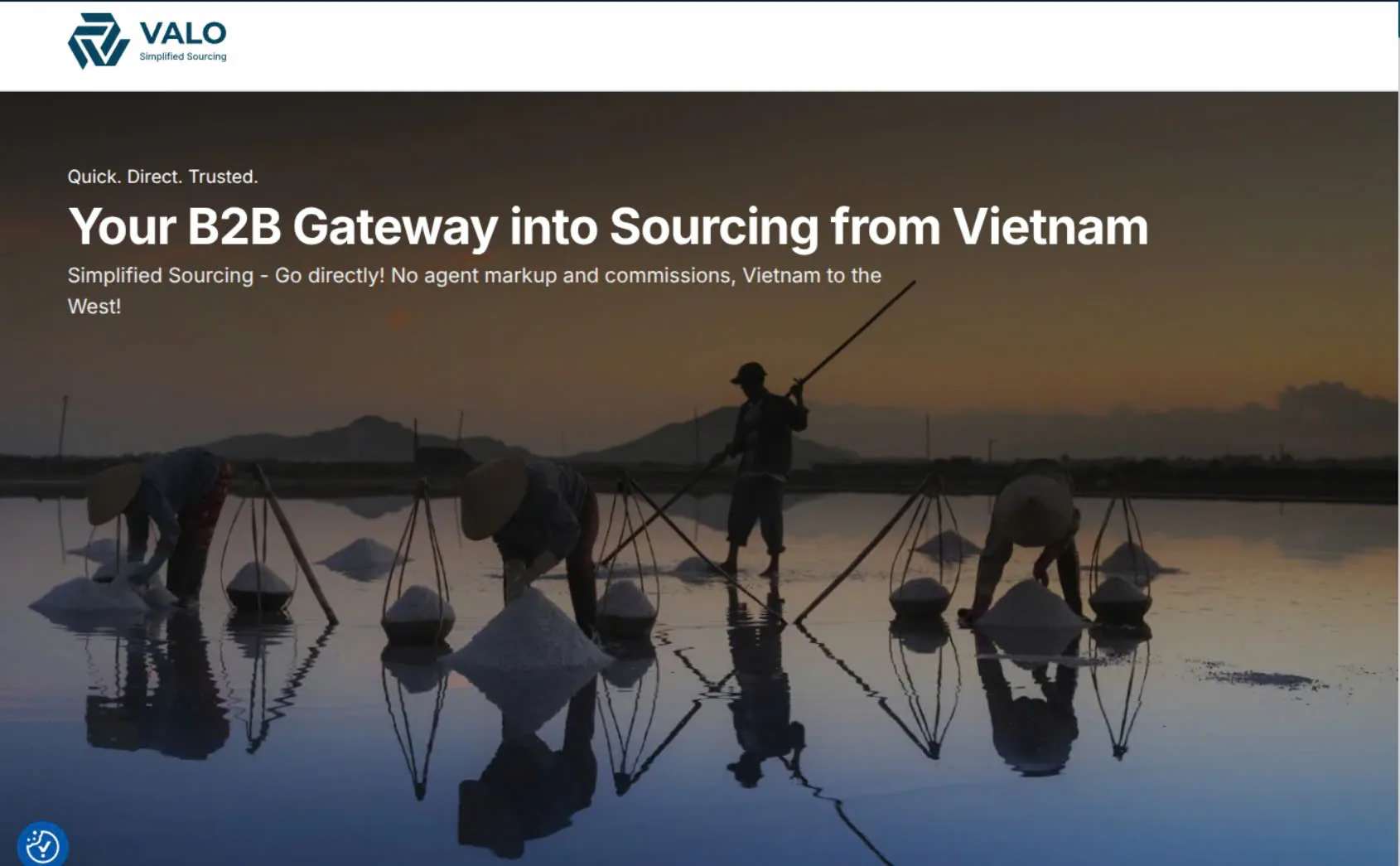
Customer-facing products and B2B platforms, like VALO Vietnam, a full marketplace we built and run end-to-end.
Internal tools and dashboards
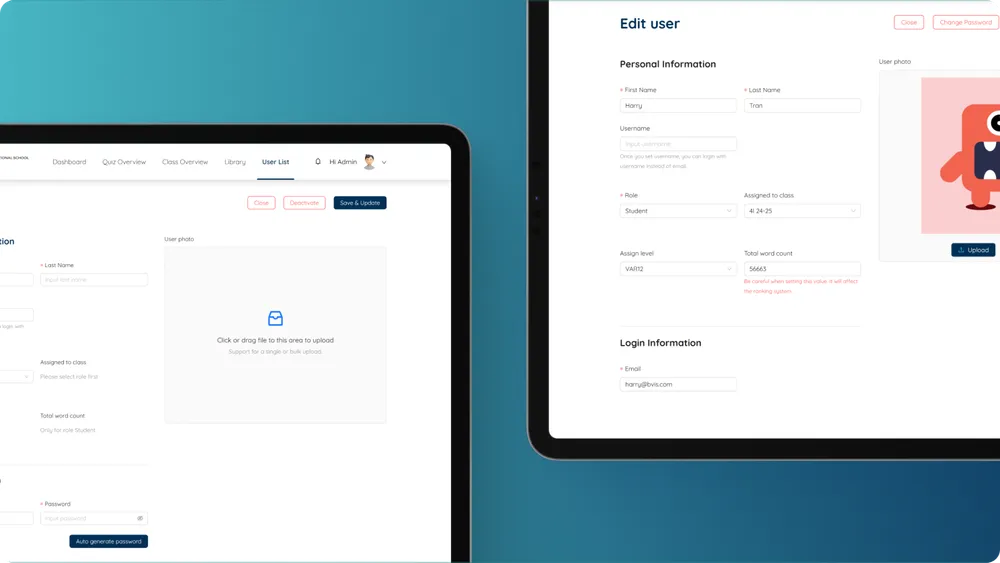
The software your team actually uses daily, supplier dashboards, reporting tools, operations consoles.
Integrations
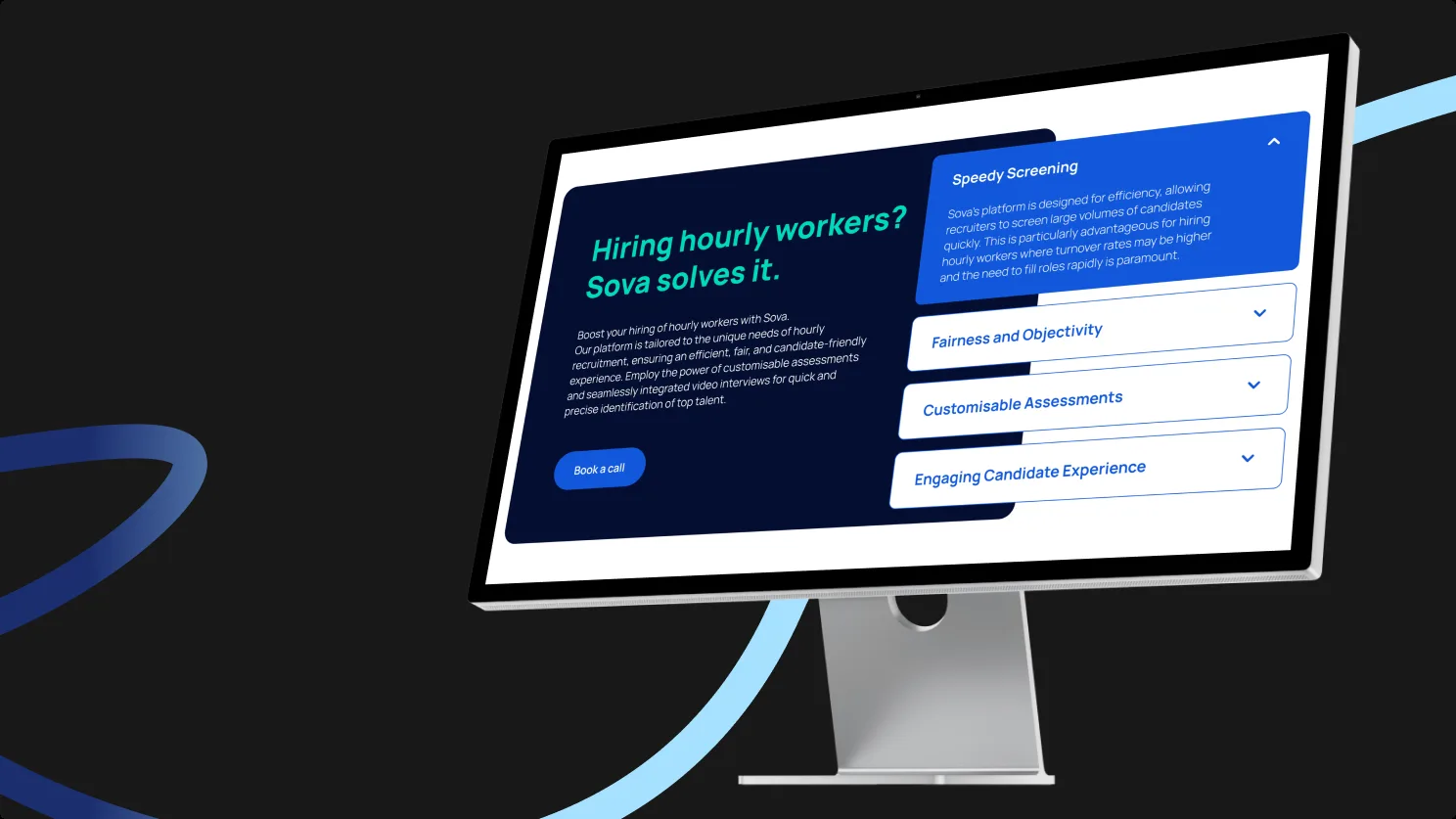
Booking engines, CRMs, payment providers, recruitment platforms, we've integrated Expedia and Phenom at enterprise scale.
Engineering standards
Code reviewed by a second engineer before merge. Tests for anything business-critical. Documented hand-offs.
The stack we build on
Tooling chosen per project rather than by dogma, but not chosen at random either. In practice most of what we ship sits in this territory:
If you already have a stack, we work in it rather than arguing for ours. The exception is when the existing choice is the reason the project is in trouble, and then we will say so with the numbers rather than the opinion.
OUR DEVELOPMENT PROCESS
How we develop
Strategy plan
Before anyone builds anything, we map what your site actually has to do: the content, the integrations, the things that absolutely cannot break. Most surprises in a build are just questions nobody asked early. We ask them early.
Component library build
We build a component system, and pages come out of it. Your team assembles new layouts from pieces that already match, without booking a developer to do it.
Development
Your designs, implemented to the pixel: interactions, breakpoints, and the edge cases nobody briefs. If it looks right on your designer's screen, it looks right everywhere.
Content migration
Websites and web applications onlyEvery page moved and checked by hand, every redirect tested before the switch flips. Migration is where most rebuilds quietly lose their rankings, which is why this is the most supervised step of all.
SEO & AEO readiness
Websites and web applications onlyWe structure every site for both traditional search and AI-first discovery, so you show up where purchase decisions actually start.
Global & secure
Additional serviceMulti-language architecture, regional content workflows, and security your compliance team can sign off on without a meeting: SOC 2, SSL, access controls.
Integrations & analytics
Additional serviceA website is only useful once it talks to everything else. CRM, analytics, marketing automation: wired in during the build, when it's cheap, instead of after launch, when it isn't.
QA & launch
Browsers, speed, accessibility: tested until there's nothing left to find. We launch when it's ready, and we're in the room while it goes live.
Training & handoff
Live training, video walkthroughs, and documentation your marketers will actually open. The handoff is done when running the site feels unremarkable.
How engagements are shaped
Three ways to buy this, and the right one depends far more on how settled your requirements are than on how big the budget is.
Time and materials
You pay for the hours worked. Flexible and honest for exploratory work, less predictable for a finance director. We cap and report against forecast so it does not become open-ended.
Dedicated team
An agreed team, working as an extension of yours. Best for anything running beyond six months, and the model most offshore engagements settle into, because the team stops churning.
Most long-running work ends up in the third model. Most first projects start in the first.
OFFSHORE, HONESTLY
Why companies build with a Vietnam team
We would rather you did not choose on the rate alone, because the rate is the part of this decision that misleads people most. What actually decides whether an offshore build pays off is total cost of ownership: management overhead, rework, the quality of the hand-off, and what it costs to leave. Rework from a cheap build dwarfs anything saved on the hourly number.
So here is what we do about the parts that usually go wrong.
Quality is not the variable.
Second-engineer review on every merge, tests on anything business-critical, documented hand-offs. That is the line that stops offshore savings turning into offshore rework.
Time zones, handled rather than hoped.
We work Vietnam hours with a committed overlap window for your region and run on written updates rather than standing calls, so progress does not depend on catching someone awake.
No lock-in.
No exit penalties, no notice period designed to outlast the results. Vendor exit clauses of one to three months' fees are common in this market and rarely discussed before signing.
Not a body shop.
We are not selling headcount by the hour against your spec. We build products, which means we will push back on a requirement we think is wrong rather than bill you to implement it.
What you own
Another team should be able to pick this up without calling us.
All of it, from the first commit. Full repository access throughout, not at the end. Documentation written as we go rather than assembled the week you leave. Intellectual property assigned to you in the contract rather than implied by it.
The test we set ourselves is simple: another team should be able to pick this up without calling us. That is the opposite of how a lot of this industry is structured, and it is deliberate. A client who stays because leaving would be painful is not a client relationship, it is a hostage situation.
We will also sign the usual paperwork without drama: NDAs, data processing agreements and IP assignment. If you have compliance requirements, tell us early rather than late.
Who this works for
You need a product built and have no engineering team.
Or one already at capacity on something else.
You have inherited software nobody understands.
We audit first and give you an honest read on its state before anyone proposes a rewrite.
Your team runs on spreadsheets that should be software.
Internal tools are unglamorous and usually the highest return per pound spent.
You are scaling and need capacity that does not churn.
The dedicated team model, and the reason most long engagements end up there.
Most often for marketplaces and B2B platforms, education, recruitment and HR technology, travel and hospitality, and financial services, for clients headquartered in the US, UK, Australia, Canada and the EU as well as businesses operating inside Vietnam.
OUR WORKING PROCESS
How we work
Five steps, in the same order, on every engagement.
Meeting and agreement
Site, search visibility, Align with client's need and finishing paper works
Strategy and plan
A prioritised plan tied to outcomes: what happens in first, and what achieves overall.
Build or Implement
The team that wrote the recommendation implements it. No handover gap.
Handover
We handover, sign final approval and close the project
Projects are quoted after the audit. If your budget can't move the needle, we'll say so.
Questions, answered straight
No fluff, as promised.
Do you take over existing codebases?
Yes, our Support retainers cover what we built and what others built. We audit first, then give you an honest read on its state.
What stack do you build on?
Intelligent, industry-standard tooling chosen per project, not by dogma. Typically modern JavaScript/TypeScript frameworks with headless services.
Who owns the code?
You do. Full repository access, documentation, and a hand-off your next team could pick up.
Can you build AI features into our product?
Yes: AI agents and agentic workflows are first-class citizens in our builds, not bolt-ons. See our AI agents service.
Which engagement model should we choose?
Time and materials if the shape of the thing is still being worked out. A dedicated team for anything running beyond six months, which is where most long engagements end up because the budget reads cleanly and the team stops churning.
How do you handle time zones?
We work Vietnam hours with a committed overlap window for your region, and run on written updates rather than standing calls. You get weekly written progress and a named lead you can contact directly, so nothing waits for a meeting.
Is offshore development actually cheaper once everything is counted?
Usually, but not automatically. The rate is the smallest part of the equation. Management overhead, rework and a bad hand-off can erase the saving entirely, which is why the standard advice is to budget 25 to 40% above the headline rate. What protects the saving is engineering quality, and that is where we spend the difference.
What happens if we want to leave?
You take everything and go. No exit fee, no notice period designed to make leaving expensive, full repository and documentation access throughout rather than at the end. Lock-in clauses worth one to three months of fees are common in this market and rarely mentioned before signing. Ask any vendor about theirs.
Can you work alongside our in-house developers?
Yes, and a good share of our work is that rather than a full build. We can take a workstream, supply a dedicated team that works inside your process, or handle the parts your team has no capacity for. Our engineering standards travel with us either way.
Related reading
Built like products. Kept running.
Tell us what you need built, or inherited. You'll get an honest read on scope, state and cost.