In 2026, search is no longer just about ranking on Google. Businesses now need to appear in AI-generated answers from AI search engines like ChatGPT, Google Gemini, and Perplexity AI.
For small businesses in industries such as F&B, retail, education, and hospitality, this shift creates both a challenge and an opportunity. The challenge lies in keeping up with evolving algorithms. The opportunity lies in using the right AI SEO tools for small business to compete efficiently, without large teams or budgets.
This guide explores 12 of the best beginner-friendly AI SEO tools that help you improve visibility, generate content, and grow sustainably in the AI-driven search landscape.
AI Search Visibility & Tracking (AEO/GEO Tools)
These tools focus on how often your business appears in AI-generated answers, a critical metric in 2026.
1. Mangools AI (AI Search Watcher)
Best For: Ultra-budget entry into AI search tracking
Why it matters: It reveals whether AI engines are citing your brand, or ignoring it entirely
Mangools AI is an excellent starting point for businesses that want immediate visibility into how AI platforms perceive their brand. Unlike traditional SEO tools that focus only on rankings, it shows which prompts trigger mentions of your business across AI systems.
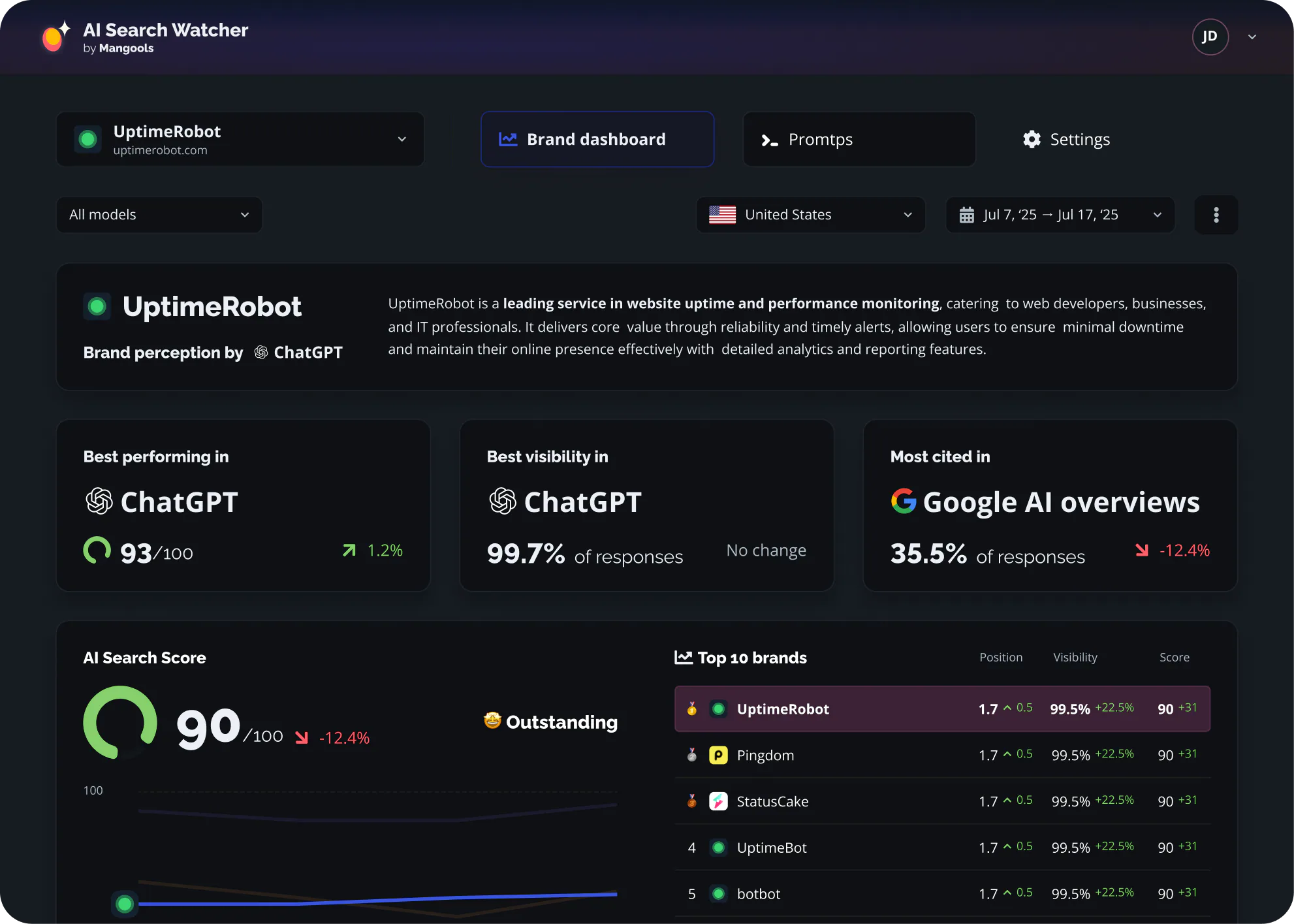
For small businesses, this insight is particularly valuable because it highlights gaps in visibility early. For instance, a restaurant may discover that AI tools recommend competitors when users ask for “best brunch in Ho Chi Minh City”.
How to utilise Mangools AI effectively:
- Track brand mentions across platforms like ChatGPT and Claude
- Identify prompts where competitors appear instead of you
- Monitor changes weekly to measure improvement
Workflow integration:
- Step 1: Input your brand name and key services
- Step 2: Review prompts where your business appears (or does not)
- Step 3: Create targeted content addressing those queries
- Step 4: Re-check visibility after publishing
2. SE Visible (by SE Ranking)
Best For: Comprehensive AI tracking integrated with traditional SEO
Why it matters: It quantifies your “AI Share of Voice” and highlights content gaps
SE Visible bridges the gap between traditional SEO and AI-driven discovery. It provides a clear metric showing how often your brand appears in AI-generated answers compared to competitors.
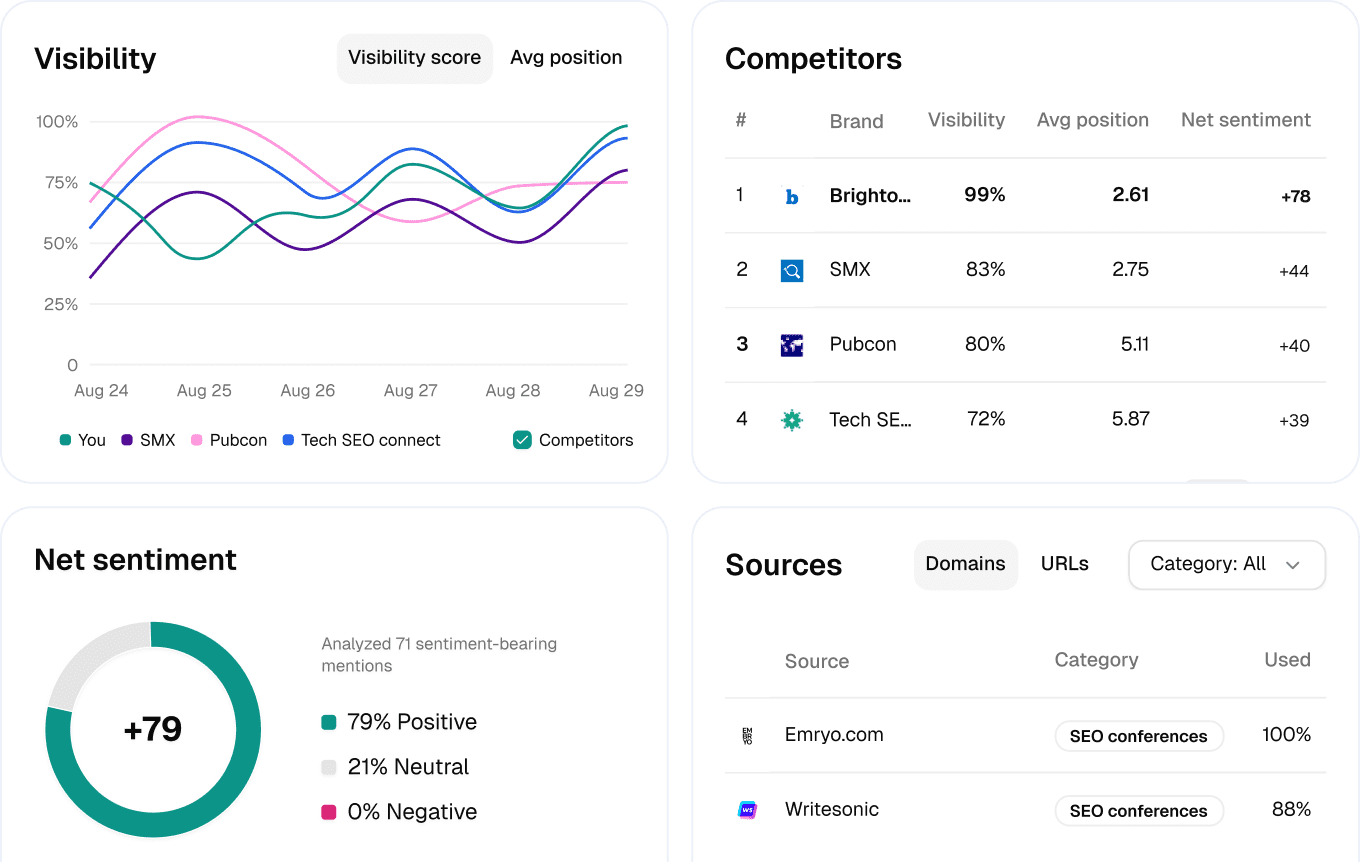
This is especially useful for multi-location businesses such as hotel chains or education centres that need consistent visibility across different queries.
How small businesses can benefit:
- Understand which services AI platforms associate with your brand
- Identify missing topics that competitors dominate
- Align SEO and AI strategies in one dashboard
Workflow integration:
- Audit your current AI Share of Voice
- Review competitor visibility insights
- Build content targeting uncovered gaps
- Track improvements monthly
3. AIclicks
Best For: Straightforward AI visibility monitoring
Why it matters: It simplifies AI SEO into actionable insights
AIclicks is designed for business owners who prefer clarity over complexity. It evaluates how “answer-worthy” your content is and shows which pages AI systems are actually using.
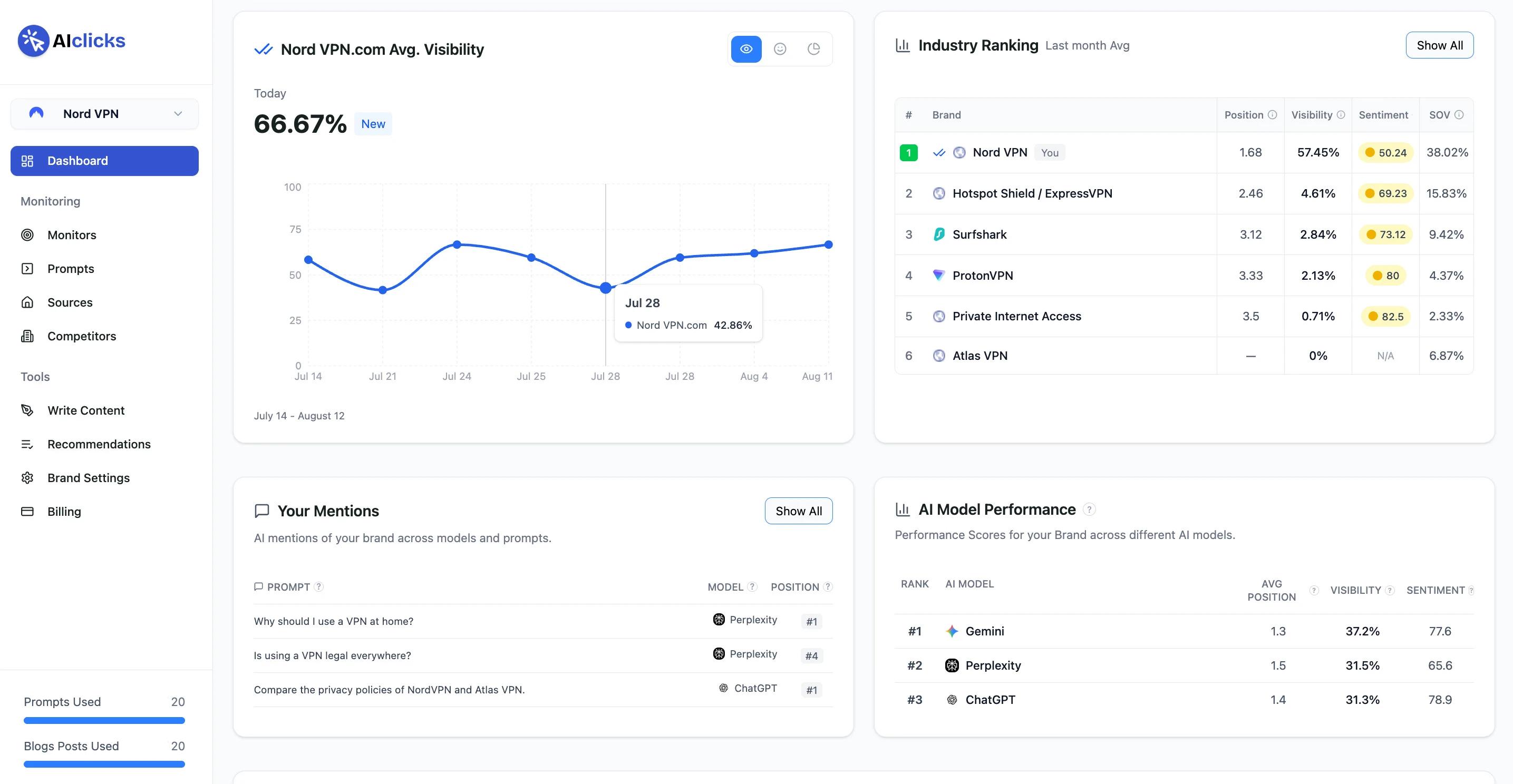
For example, a retail brand may find that its product guides are being cited, while category pages are ignored.
How to use AIclicks:
- Identify high-performing pages already used by AI
- Optimise underperforming pages with better structure
- Focus on improving “answer-worthiness”
Workflow integration:
- Step 1: Analyse your top pages
- Step 2: Enhance them with FAQs and structured headings
- Step 3: Replicate successful formats across your site
Guided & All-in-One SEO Frameworks
These tools act like virtual SEO consultants, guiding you step by step through the process of search engine optimisation.
4. diib
Best For: Beginner-friendly automated SEO guidance
Why it matters: It converts complex SEO into simple daily actions
diib acts like a virtual SEO assistant, offering clear, plain-English recommendations. This makes it ideal for small business teams without dedicated SEO specialists.
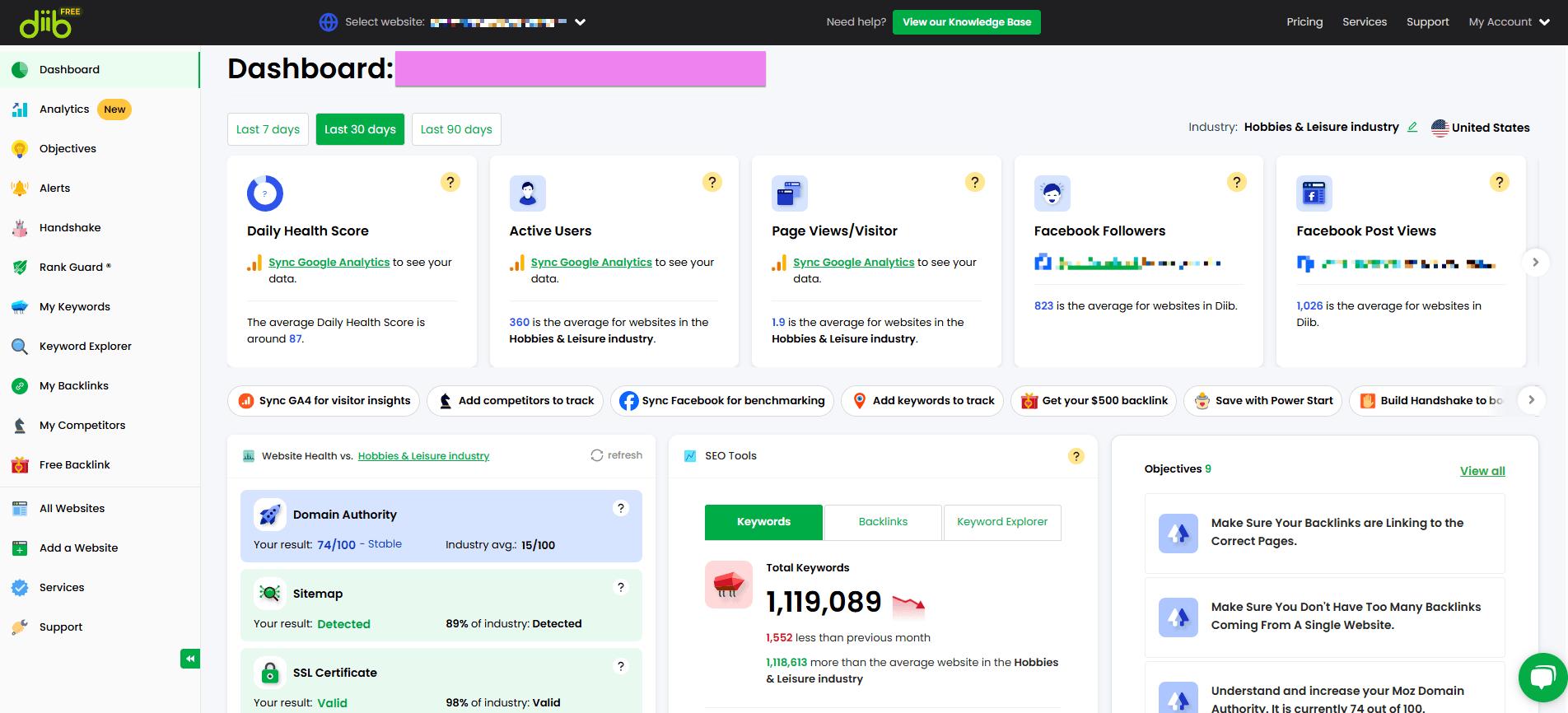
Moreover, its focus on real-world user questions aligns naturally with how AI engines generate answers.
How small businesses can utilise diib:
- Follow daily “Answer Plans” for quick improvements
- Track keyword performance without technical knowledge
- React quickly to competitor changes
Workflow integration:
- Check daily recommendations (5–10 minutes)
- Implement quick fixes (meta tags, titles, etc.)
- Review weekly performance trends
5. Keysearch (with Foresight AI)
Keysearch
Best For: Budget-friendly keyword research
Why it matters: It helps you target achievable ranking opportunities
Keysearch remains a favourite for beginners because of its simplicity and accuracy. Its Foresight AI feature tailors keyword suggestions based on your website’s authority.
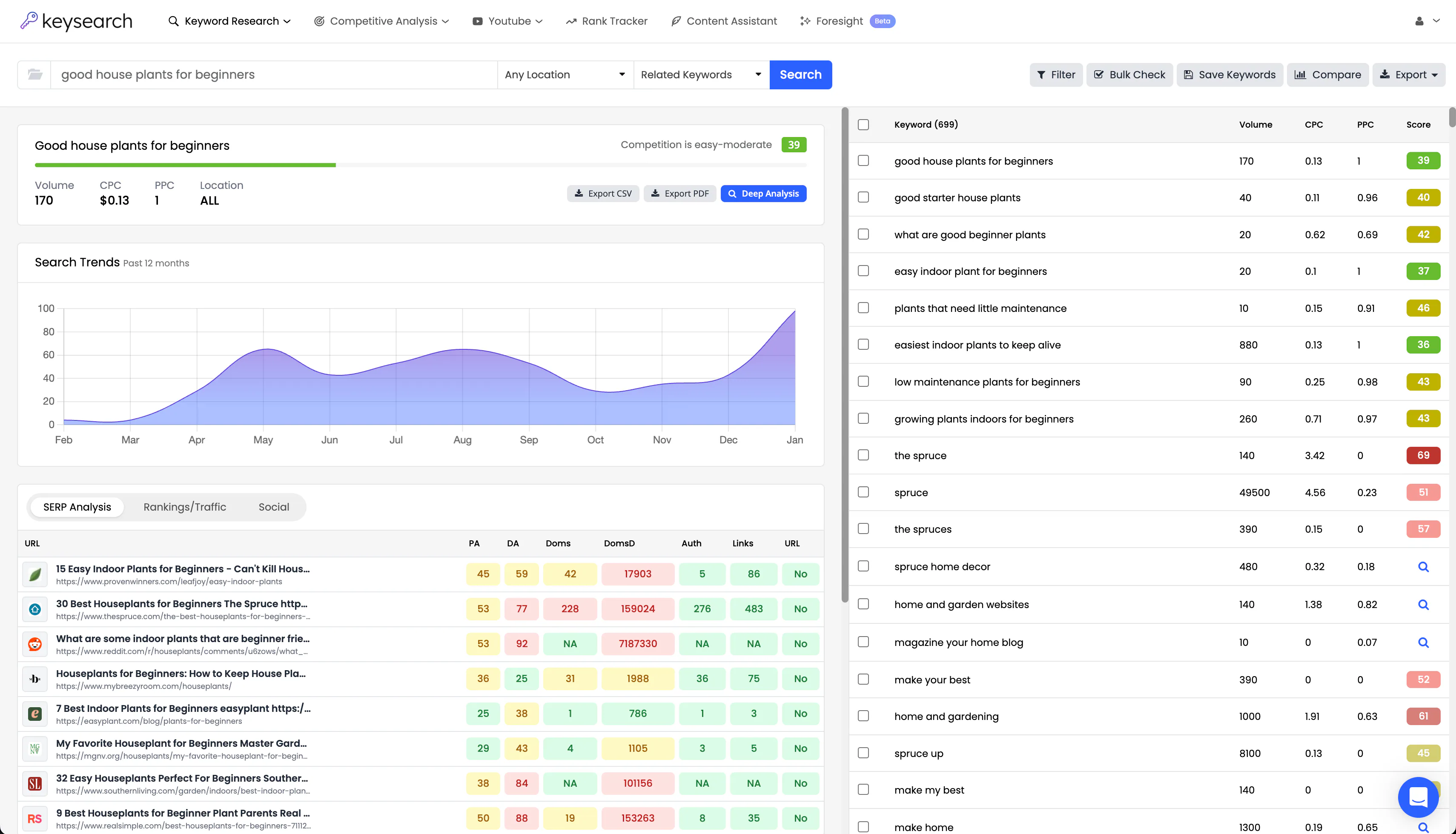
For instance, a small café should target “best vegan café in District 1” rather than highly competitive broad terms.
How to utilise Keysearch:
- Focus on long-tail keywords
- Identify low-competition opportunities
- Build content clusters around niche topics
Workflow integration:
- Step 1: Research keywords relevant to your services
- Step 2: Filter by low difficulty
- Step 3: Create targeted blog posts or landing pages
6. Hike SEO
Best For: Step-by-step SEO for beginners
Why it matters: It ensures consistent, manageable progress
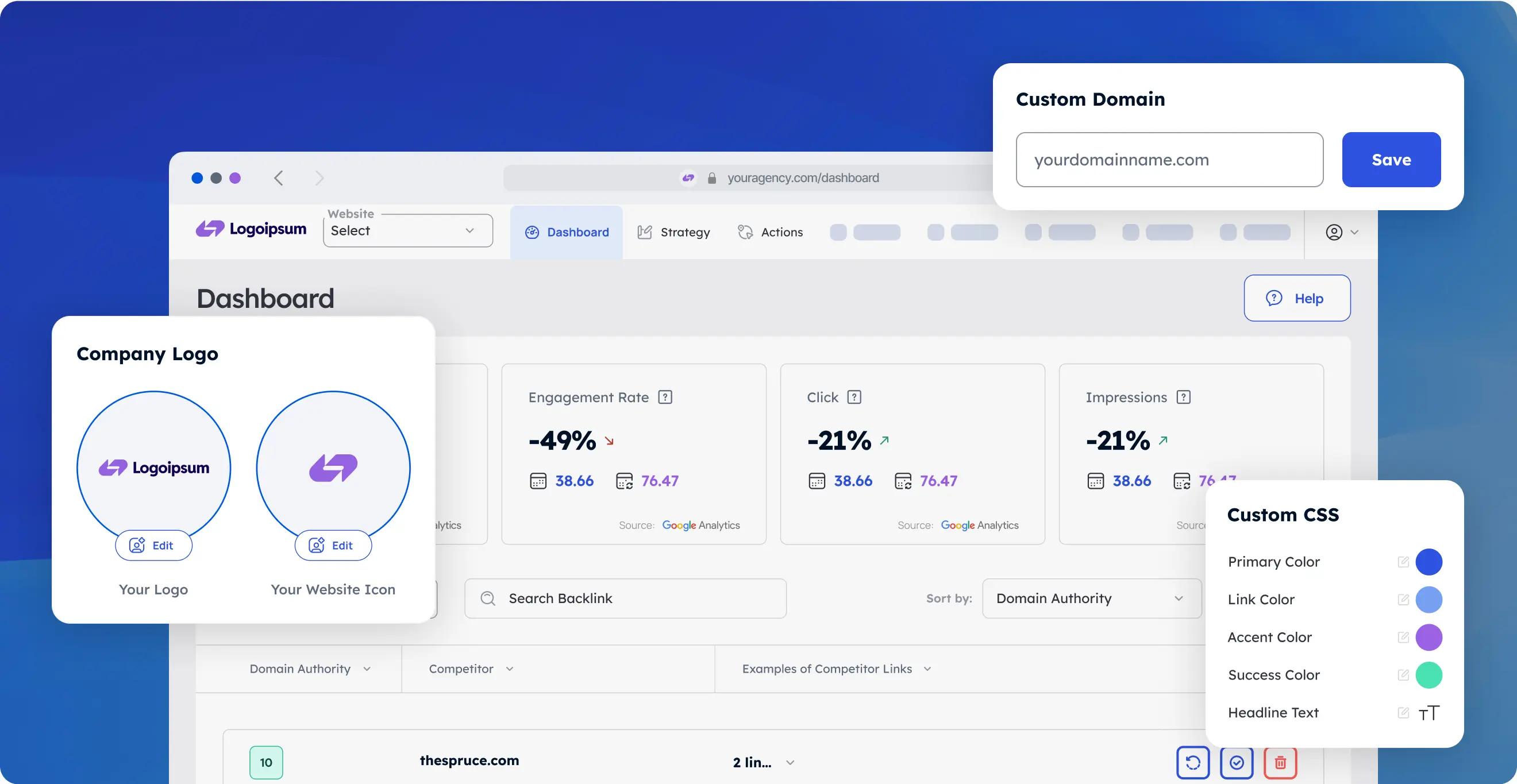
Hike SEO is designed for business owners with limited time. Its AI-generated task list breaks SEO into small, achievable actions.
This approach is particularly effective for local businesses such as restaurants or retail shops.
How small businesses can use Hike SEO:
- Follow weekly action plans
- Improve local SEO and Google Business profiles
- Implement structured data easily
Workflow integration:
- Spend 15 minutes per week on assigned tasks
- Complete checklist items systematically
- Track gradual improvement over time
Content Optimisation & Real-Time Scoring
These tools ensure your content is AI-readable, structured, and competitive.
7. Frase
Best For: Content research and question mapping
Why it matters: It aligns your content with real user intent
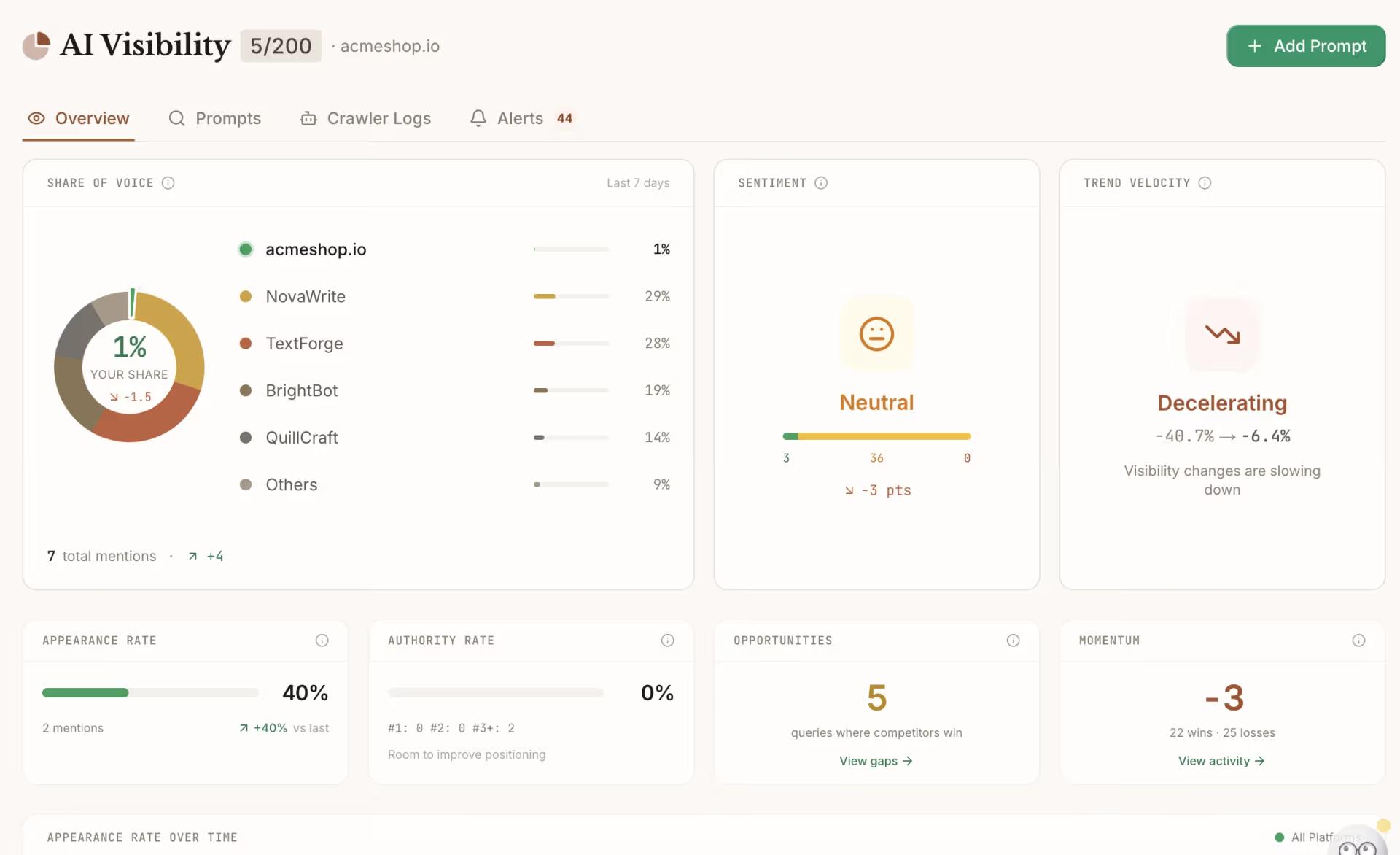
Frase excels at identifying the exact questions users ask online. It then helps you structure content to answer those questions clearly.
This is particularly valuable because AI engines often pull directly from well-structured FAQ sections.
How to utilise Frase:
- Generate content briefs quickly
- Identify key questions to answer
- Build comprehensive articles
Workflow integration:
- Input target keyword
- Generate content brief
- Write article following suggested structure
- Add FAQ sections for AI visibility
8. NeuronWriter
Best For: Semantic SEO optimisation
Why it matters: It improves how AI understands your content
NeuronWriter focuses on semantic relevance rather than just keywords. It guides you in using related terms and improving content structure.
For example, a hospitality business writing about “luxury hotels” should also include terms like amenities, location, and guest experience.
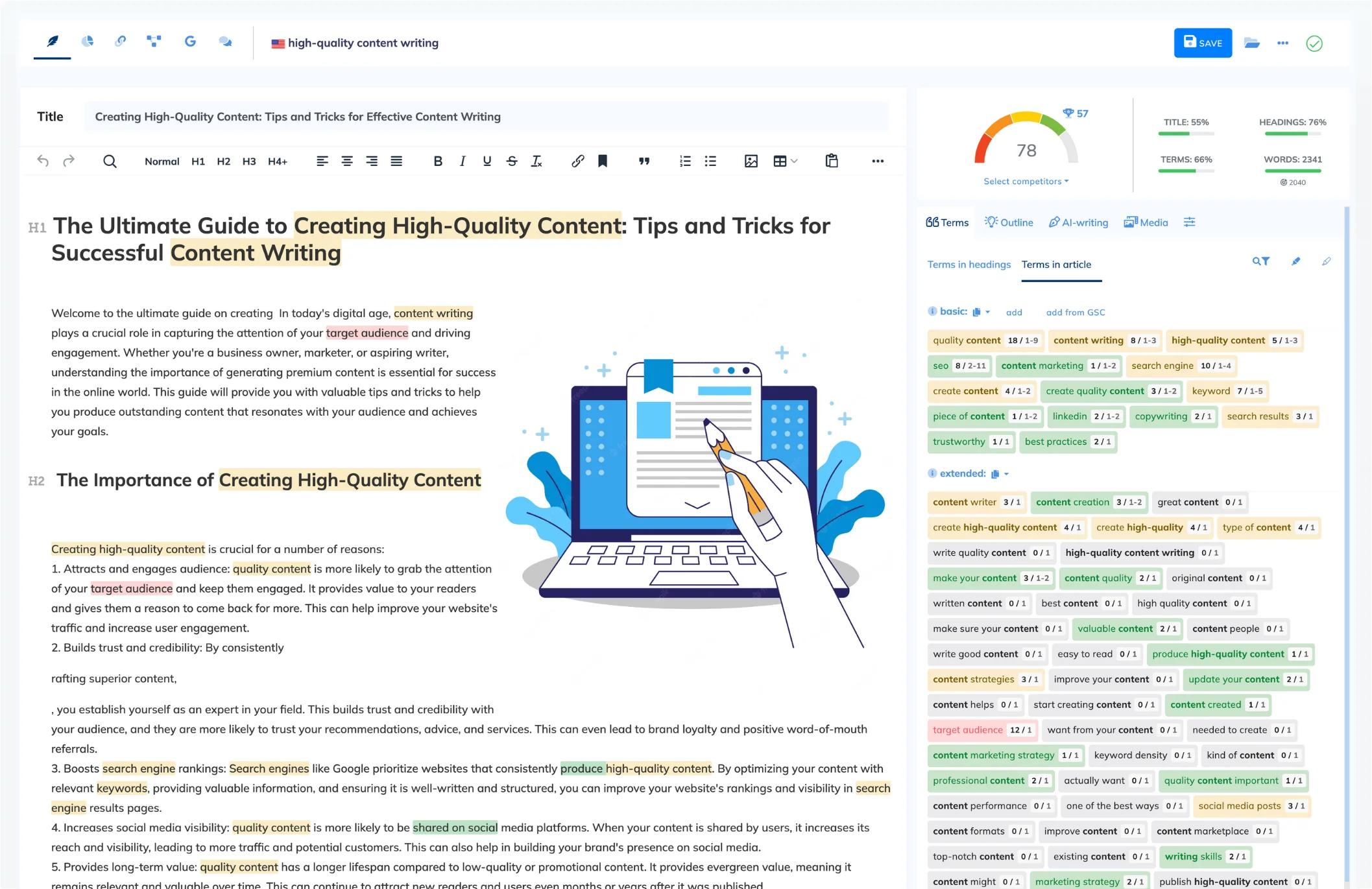
How to use NeuronWriter:
- Optimise content in real time
- Improve semantic coverage
- Match top-ranking pages
Workflow integration:
- Draft content inside the editor
- Follow real-time suggestions
- Aim for high semantic score before publishing
9. Surfer SEO
Best For: Visual content optimisation
Why it matters: It simplifies SEO into an intuitive scoring system
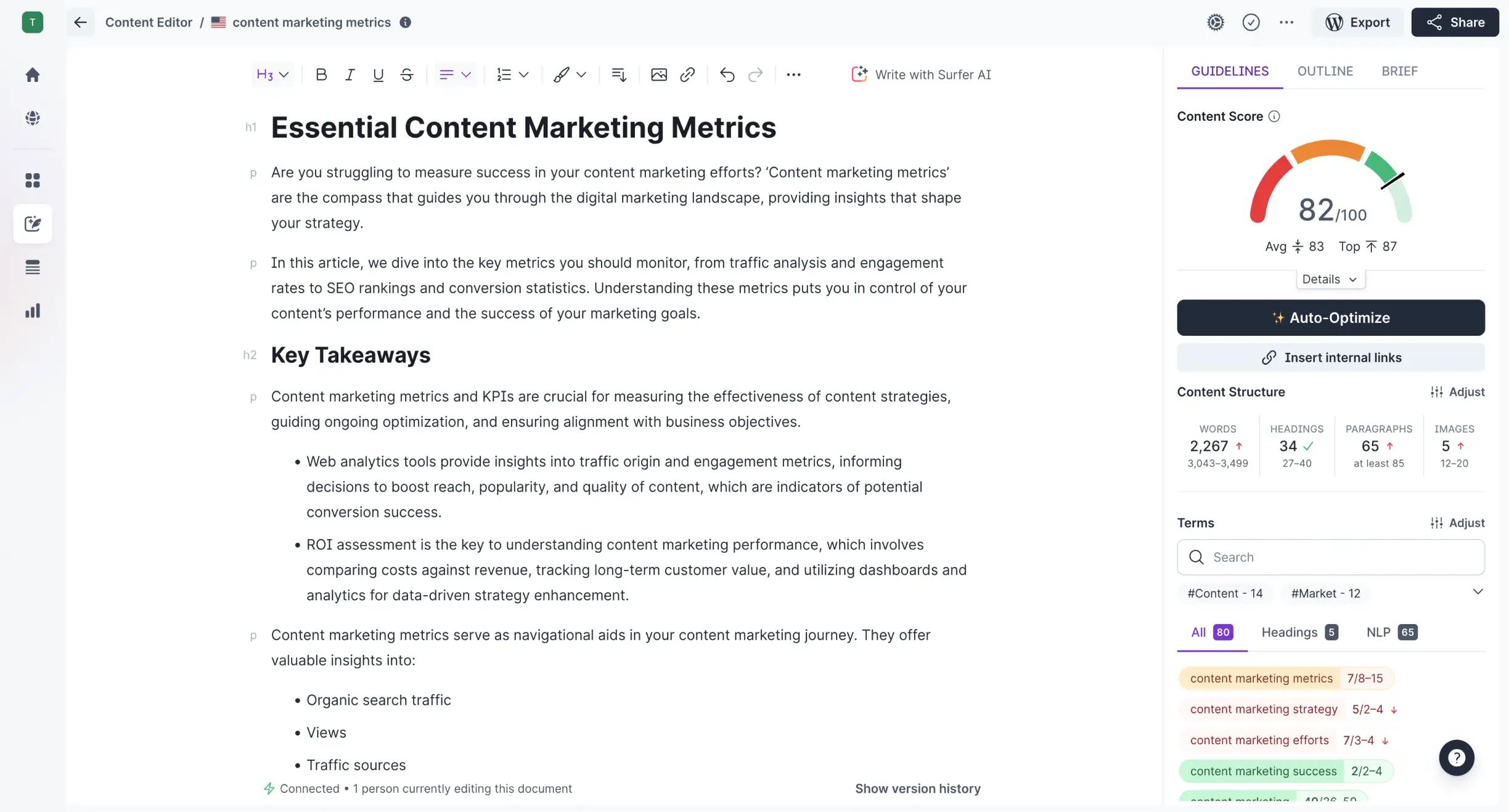
Surfer SEO provides a dynamic score that updates as you write, making optimisation straightforward even for beginners.
Additionally, its structural recommendations ensure your content is easily readable by both users and AI systems.
How to utilise Surfer SEO:
- Optimise headings and structure
- Maintain ideal keyword usage
- Improve readability
Workflow integration:
- Create content editor
- Follow scoring system (aim for green zone)
- Publish once optimised
AI-Driven Writing Acceleration Tools
These tools help you produce high-quality content at scale without compromising accuracy.
10. ContentShake AI (by Semrush)
Best For: Data-driven content creation
Why it matters: It combines reliable data with AI writing
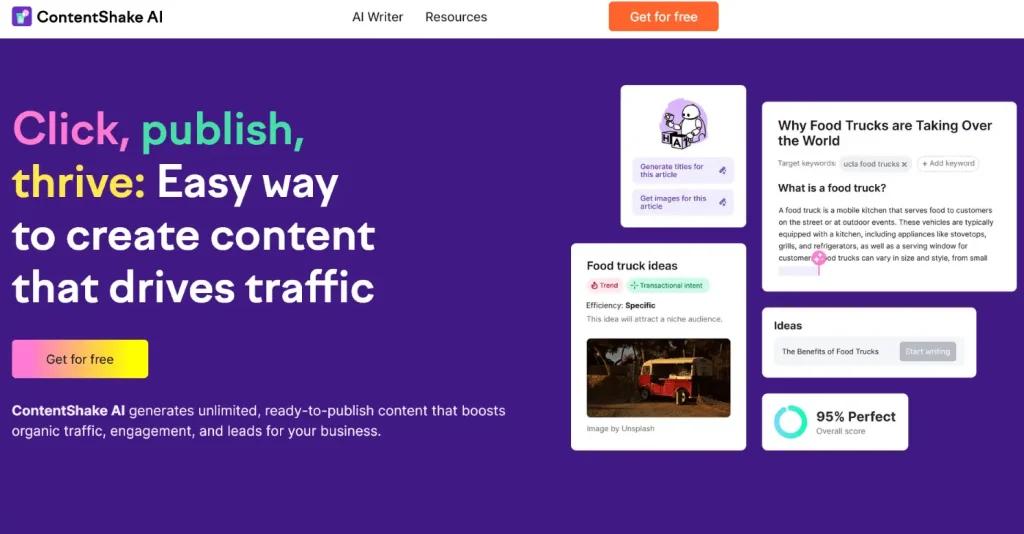
ContentShake AI leverages Semrush’s extensive database to generate relevant and optimised content ideas.
This is particularly useful for businesses that need consistent publishing without large content teams.
How to use ContentShake AI:
- Generate weekly content ideas
- Create drafts aligned with SEO data
- Publish directly to CMS platforms
Workflow integration:
- Select niche and target audience
- Generate article ideas
- Edit and refine drafts
- Publish consistently
11. eesel AI Blog Writer
Best For: High-quality, context-rich articles
Why it matters: It enhances content credibility and trust
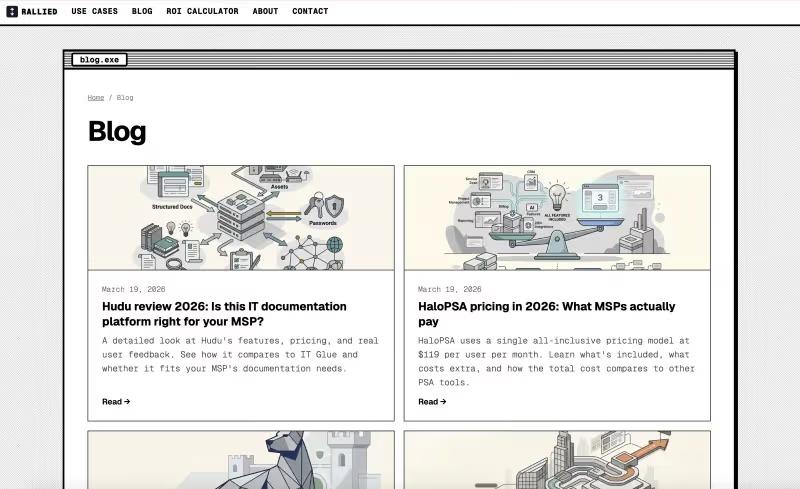
eesel AI goes beyond generic AI writing by incorporating multiple perspectives, including community insights and multimedia references.
This strengthens your content’s E-E-A-T, which is increasingly important in AI search.
How small businesses can utilise eesel AI:
- Create detailed blog posts
- Add context and supporting information
- Improve trustworthiness
Workflow integration:
- Input topic and audience
- Generate article
- Review and refine tone
- Add brand-specific insights
12. Scalenut
Best For: End-to-end SEO content management
Why it matters: It streamlines the entire content lifecycle
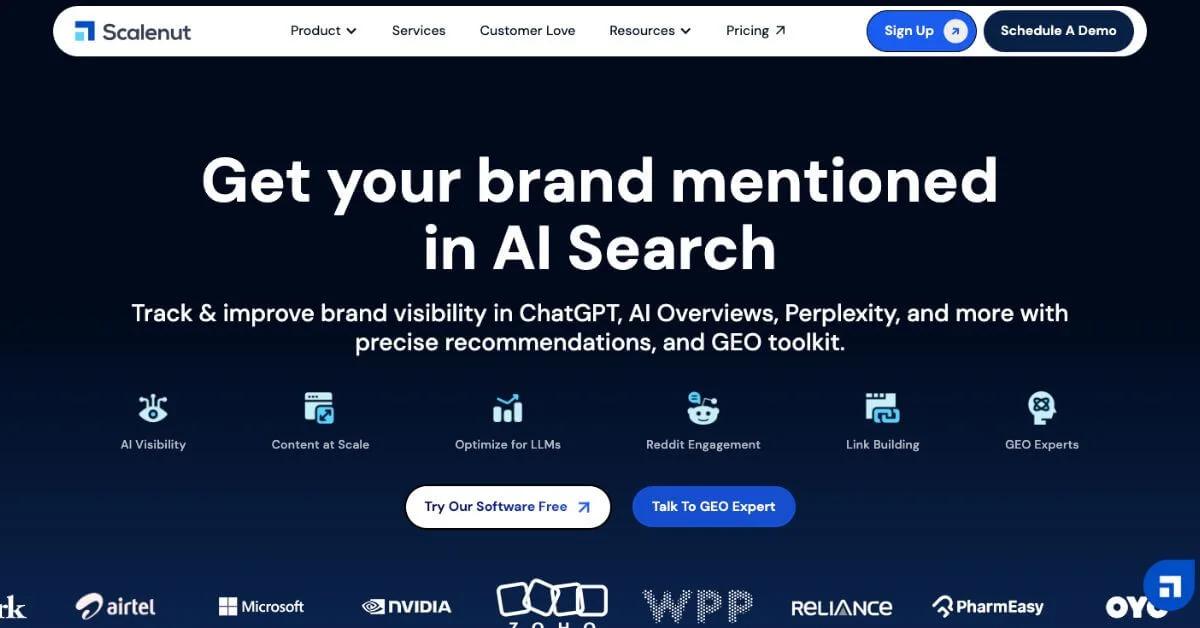
Scalenut is ideal for businesses ready to scale their content strategy. It combines keyword research, clustering, and writing into one platform.
For example, an education provider can build a full content hub around “online learning” topics.
How to utilise Scalenut:
- Build topic clusters
- Generate long-form content quickly
- Maintain consistency across content
Workflow integration:
- Perform keyword clustering
- Create content briefs
- Use Cruise Mode for drafting
- Optimise and publish
A Practical AI SEO Workflow for Small Businesses
To succeed in AI-driven search, small businesses need more than isolated tactics. Instead, they require a connected workflow that moves from research to execution and continuous improvement. Below is a detailed breakdown of each stage, with clear instructions and practical guidance on how to apply these tools effectively.
1. Start with Opportunity Discovery (What Should You Rank For?)
Before creating any content, it is essential to understand what your audience is actually searching for. Without this foundation, even well-written content may fail to gain visibility.
Recommended tools:
- Keysearch
- SE Ranking
These tools help you uncover realistic opportunities by analysing search demand, competition, and keyword difficulty. More importantly, they allow you to identify questions and niche queries that AI engines prioritise.
To begin with, small businesses should focus on intent-driven keywords rather than high-volume terms. For example, a restaurant will benefit more from targeting “family-friendly brunch in District 1” than simply “restaurant”.
How to execute:
- Start by entering your core services into the keyword tool
- Filter results to find low to medium competition keywords
- Identify question-based queries (who, what, where, how)
- Group related keywords into topic clusters
- Prioritise keywords that align with your business offerings
As a result, you will create a structured list of topics that can be developed into content over time.
Pro tip: Rather than targeting isolated keywords, build content clusters around a central theme. This signals authority to AI engines and increases the likelihood of being cited in responses.
2. Validate AI Visibility Gaps (Where Are You Missing?)
After identifying opportunities, the next logical step is to assess how visible your brand currently is within AI-generated results. This ensures that your efforts are focused where they are most needed.
Recommended tools:
- Mangools
- AIclicks
These platforms provide insights into whether your business is being referenced by AI systems and which competitors are taking your place.
In practice, this step reveals critical gaps. For instance, a hotel may rank well on Google but still be absent from AI-generated recommendations.
How to execute:
- Search your key services manually on AI platforms such as ChatGPT
- Compare results with tool-generated visibility reports
- Identify queries where competitors are mentioned instead of you
- Analyse which pages on your website are being recognised (if any)
- List missing topics or underperforming content areas
By doing this, you gain clarity on where to focus your optimisation efforts.
Pro tip: Pay close attention to how AI phrases its answers. This reveals the tone, structure, and level of detail your content should match or exceed.
3. Build AI-Friendly Content Structures (Answer First, Rank Second)
Once gaps are identified, the next step is to create content that is not only optimised for search engines but also easily understood and extracted by AI systems.
Recommended tools:
- Frase
- Surfer SEO
- NeuronWriter
These tools guide you in structuring content effectively, ensuring that it aligns with both user intent and AI requirements.
Importantly, AI engines prioritise content that provides clear, direct answers. Therefore, structure becomes just as important as substance.
How to execute:
- Begin with a clear headline that reflects the main query
- Break content into logical sections using H2 and H3 headings
- Answer one specific question per section
- Include FAQ sections based on real user queries
- Use bullet points and concise explanations where appropriate
- Optimise semantic relevance using tool suggestions
This structured approach increases the chances that your content will be selected as a source for AI-generated answers.
Pro tip: Write as if your content will be quoted directly by an AI engine. This mindset encourages clarity, precision, and authority.
4. Accelerate Content Production (Without Losing Quality)
Consistency is a key ranking factor, not only for search engines but also for AI systems that evaluate authority over time. However, producing content regularly can be challenging without the right support.
Recommended tools:
- ContentShake AI
- Scalenut
- eesel AI
These tools enable businesses to scale content production efficiently while maintaining quality.
Nevertheless, it is important to treat AI-generated content as a starting point, not a finished product.
How to execute:
- Generate content ideas based on your keyword clusters
- Use AI tools to create initial drafts
- Edit content to reflect your brand voice and expertise
- Add real-world insights (e.g., customer experiences, local context)
- Ensure accuracy and clarity before publishing
By combining AI efficiency with human refinement, you can maintain both speed and quality.
Pro tip: Focus on depth over volume. A few high-quality, well-optimised articles will outperform large volumes of generic content.
5. Implement Guided Optimisation (Stay Consistent Over Time)
SEO and AI visibility are not one-time efforts. Instead, they require continuous optimisation and refinement.
Recommended tools:
- diib
- Hike SEO
These tools simplify ongoing optimisation by providing clear, actionable steps.
For small businesses, this is particularly valuable because it removes the need for deep technical expertise.
How to execute:
- Review daily or weekly recommendations from your tool
- Fix technical issues such as:
- Meta titles and descriptions
- Page speed and mobile performance
- Internal linking structure
- Update existing content to improve relevance and clarity
- Monitor keyword and visibility trends
Over time, these incremental improvements compound into significant gains.
Pro tip: Do not neglect existing content. Updating and improving older pages is often more effective than creating new ones from scratch.
6. Create a Feedback Loop (Measure, Improve, Repeat)
Finally, long-term success depends on building a continuous feedback loop. This ensures that your strategy evolves alongside changing algorithms and user behaviour.
Recommended tools (combined usage):
- Mangools
- AIclicks
- SE Ranking
- Surfer SEO
- Scalenut
By integrating these tools, you can monitor performance, identify gaps, and refine your approach continuously.
How to execute:
- Track AI mentions and visibility regularly
- Analyse which content performs well
- Identify gaps or declining performance
- Optimise or expand existing content
- Create new content based on updated insights
This cyclical process ensures that your SEO efforts remain aligned with real-world performance.
Pro tip: Think of SEO as an ongoing system, not a one-time project. Businesses that continuously refine their approach are the ones that achieve sustained visibility in AI search results.
Example Tool Combinations for Different Business Needs
While individual tools provide value, the real impact comes from combining them into practical, goal-oriented stacks. Each business has different needs depending on its stage of growth, internal resources, and competitive landscape. Therefore, selecting the right combination is less about using everything and more about using the right tools together in a logical workflow.
Below are three refined setups, each with clear guidance on how to implement them effectively.
1. Starter Setup (Low Budget, Beginner-Friendly)
For small businesses just beginning their SEO journey, simplicity and affordability are key. At this stage, the goal is to build a strong foundation without becoming overwhelmed.
Recommended tools:
- Keysearch
- diib
- Frase
This combination covers the essentials: keyword discovery, guided optimisation, and structured content creation.
To begin with, Keysearch helps you identify realistic keyword opportunities. Then, Frase ensures your content is aligned with user intent. Finally, diib provides ongoing guidance to improve performance over time.
How to execute:
- Use Keysearch to find low-competition, long-tail keywords
- Generate content briefs in Frase based on those keywords
- Write and publish one article per week
- Follow diib’s daily or weekly recommendations to optimise pages
- Monitor keyword improvements and adjust accordingly
This approach ensures steady progress without requiring technical expertise or large investments.
Example use case:
A local café or boutique retailer can:
- Target niche searches such as “best coffee for remote work in District 1”
- Create helpful blog content answering customer questions
- Gradually improve visibility with consistent updates
Pro tip: At this stage, consistency matters more than scale. Focus on publishing quality content regularly, even if it is only once per week.
2. Growth Setup (Balanced Strategy for Scaling Businesses)
As your business grows, your SEO strategy should evolve accordingly. At this stage, the focus shifts towards balancing optimisation, tracking, and content production.
Recommended tools:
- SE Ranking
- Surfer SEO
- ContentShake AI
This stack provides a more comprehensive approach, combining performance tracking with efficient content creation and optimisation.
SE Ranking offers insights into both traditional SEO and AI visibility. Meanwhile, Surfer SEO ensures your content is fully optimised, and ContentShake AI accelerates production.
How to execute:
- Use SE Ranking to identify content gaps and competitor strengths
- Generate article ideas and drafts with ContentShake AI
- Optimise each article using Surfer SEO’s scoring system
- Publish consistently (e.g., 2–4 articles per month)
- Track improvements in rankings and AI visibility
This workflow allows businesses to scale their efforts while maintaining quality and strategic focus.
Example use case:
A hospitality brand or education provider can:
- Create content around key topics such as “best areas to stay” or “top courses for career growth”
- Optimise articles for both search engines and AI extraction
- Build authority across multiple related topics
Pro tip: At this stage, focus on topic authority rather than isolated articles. Publishing multiple related pieces strengthens your overall visibility.
3. Advanced AI Visibility Setup (AI-First Strategy)
For businesses aiming to lead in AI-driven search, a more advanced setup is required. Here, the goal is to dominate AI-generated answers and become a trusted source.
Recommended tools:
- Mangools
- AIclicks
- Scalenut
- NeuronWriter
This combination focuses heavily on AI visibility tracking, content clustering, and advanced optimisation.
Mangools and AIclicks provide visibility insights, while Scalenut and NeuronWriter enable large-scale, quality content creation.
How to execute:
- Use Mangools and AIclicks to track AI mentions and competitor visibility
- Identify high-value topics where your brand is missing
- Build topic clusters using Scalenut’s keyword grouping
- Generate long-form content with Scalenut
- Refine and optimise content using NeuronWriter
- Continuously monitor and update content based on performance
This approach ensures your website becomes a comprehensive authority in your niche.
Example use case:
A multi-location retail brand or large F&B chain can:
- Build content hubs around themes like “best dining experiences” or “shopping guides”
- Cover every relevant subtopic in depth
- Position itself as the primary source for AI-generated recommendations
Pro tip: In advanced setups, success comes from depth and coverage. Aim to become the most complete and reliable source on a topic, not just another contributor.
How Saigon Digital Supports Your Growth
At Saigon Digital, we understand that adopting AI SEO tools is only part of the solution. The real impact comes from how you use them strategically.
We help businesses move beyond tools and focus on outcomes:
SEO Services
We help your business get found on search engines, not just by improving rankings, but by bringing in the right traffic that converts into customers.
To achieve this, we first optimise your website so it loads quickly, works smoothly, and is easy for search engines to understand. Then, we create and refine content that builds your authority in your industry. At the same time, we develop a strategy that ensures your business appears in both local and global searches.
In short, we make sure your website is technically strong, content-rich, and visible to the right audience.
Generative Engine Optimisation (GEO)
As search evolves, we ensure your business is not only visible on Google, but also featured in AI-generated answers on platforms like ChatGPT and Google Gemini.
We do this by restructuring your content so that AI systems can easily read, understand, and trust it. In addition, we implement structured data and optimise your content to answer real user questions clearly.
As a result, your brand becomes a trusted source that AI platforms reference, rather than just another website in search results.
AI Workflow Automation Services
Beyond SEO, we help you save time and improve efficiency by automating repetitive tasks using AI.
We design workflows tailored to your business, whether that means automating content processes, streamlining marketing tasks, or building custom AI agents to support your operations. This allows your team to focus on higher-value activities while AI handles routine work.
Ultimately, we help your business operate faster, smarter, and more efficiently at scale.
Start Building Your AI Search Presence Today
The landscape of search is evolving rapidly, but it is also becoming more accessible. With the right AI SEO tools for small business, companies can compete effectively, even against larger players.
If you are ready to move beyond experimentation and build a future-ready SEO strategy, Saigon Digital is here to support your journey.
Get in touch with Saigon Digital today and get cited by AI search engines!
Want to be the brand AI engines recommend?
We make businesses visible on Google and inside AI answers, measured in leads, not vanity metrics.