Search has changed more in the past three years than in the decade before it. AI-driven answers, conversational search, and recommendation engines now sit alongside familiar search results pages. For many businesses, this raises a fair question: is traditional SEO still worth the effort, or has AI visibility taken over?
The short answer is this: the debate about traditional SEO vs AI visibility is not about choosing one over the other. It is about understanding how they now work together and what still matters if you want consistent, measurable growth in 2026.
In this article, we will explain the difference in plain English, show what has changed, and outline practical steps you can take today.
What Do We Mean by “Traditional SEO” and “AI Visibility”?
Traditional SEO focuses on helping your website perform well in search engines through:
- Technical foundations (site speed, crawlability, structure)
- Content quality and relevance
- Links and authority
- User experience and engagement
- Clear on-page signals (titles, headings, internal links, schema)
If you have ever worked to rank a service page for “SEO agency in London” or published a guide to attract organic traffic, you have done traditional SEO.
AI visibility, on the other hand, is about how your brand and content appear in AI-driven environments. That includes:
- AI-generated answers in search results
- Conversational assistants and chat interfaces
- Recommendation systems that summarise or cite sources
- Discovery through tools that do not always send a click in the same way as classic search
A simple example: in 2026, a user might ask an AI assistant, “What should I look for in an SEO agency?” The assistant may summarise best practices and reference a few brands or sources. Being present, accurately represented, and trusted in that answer is AI visibility.
So, traditional SEO vs AI visibility is not a battle. It is a shift from ranking alone to being understood, trusted, and surfaced across multiple AI-led touchpoints.
>>> Read more: 7 AI Visibility Tools to Track and Optimise Your Brand in 2026
What Has Actually Changed by 2026?
Three big shifts matter for most businesses:
1. Search Results Are More Blended
By 2026, search results no longer look like a simple list of ten blue links. Instead, they are a blended experience that combines traditional rankings with AI-generated summaries, product comparisons, video snippets, FAQs, and conversational answers.
As a result, visibility is no longer just about “being number one”. It is about appearing in the right formats, in the right places, for the right reasons.
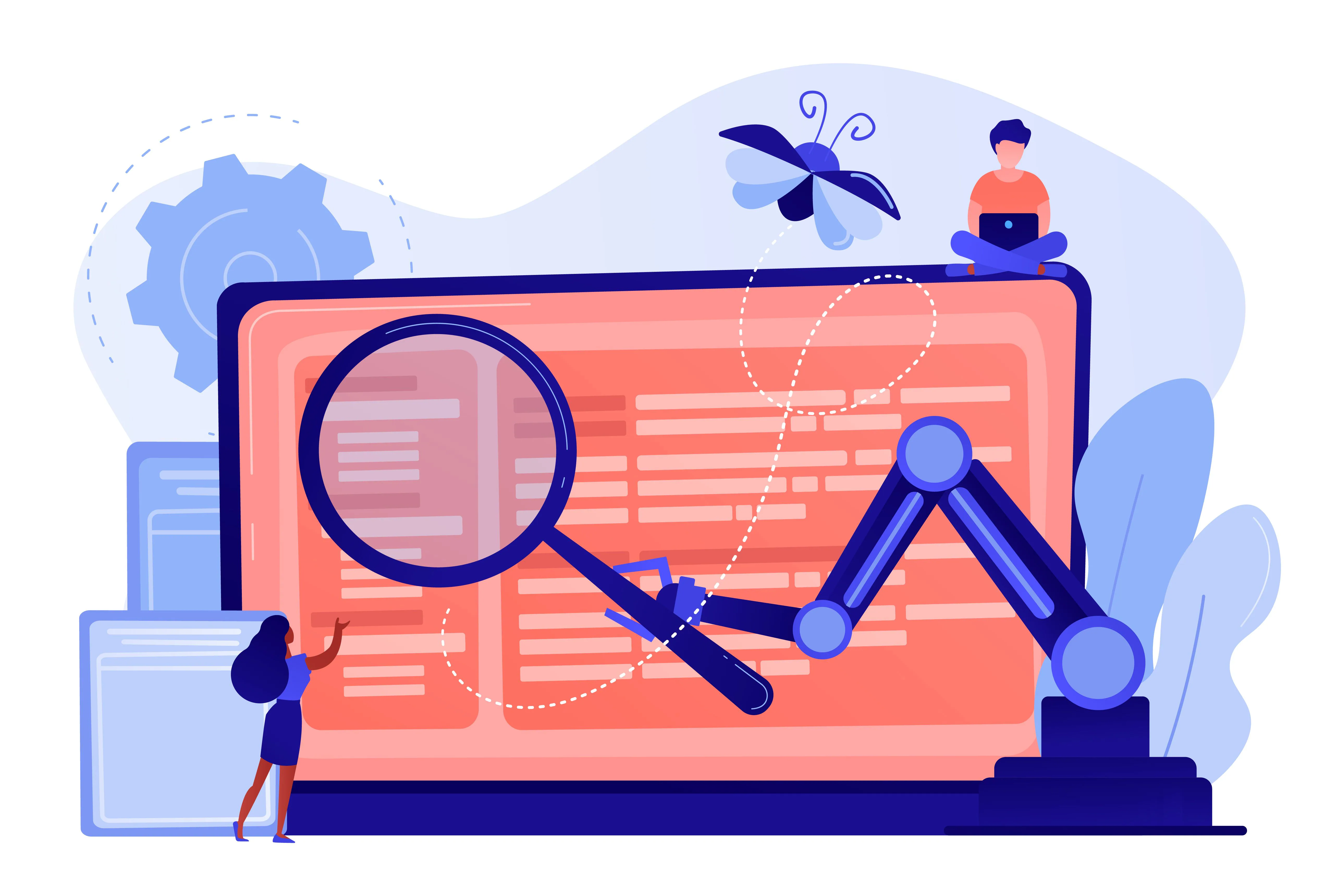
For example, a user searching for “best eCommerce SEO strategy” might see:
- An AI-generated overview at the top of the page
- A short list of recommended guides or agencies
- A video explanation
- Only then, the familiar organic results
In practice, this means your strategy should:
- Still aim for strong organic rankings
- Also structure content so it can be summarised or quoted by AI systems
- Use clear headings, concise explanations, and well-organised sections
- Cover topics thoroughly, not just at a surface level
In other words, you are no longer optimising for a single “slot” on the page. You are optimising for presence across the entire search experience. Brands that do this well gain more touchpoints with their audience, even if each individual format sends fewer clicks on its own.
2. Clicks Are More Selective
Because AI answers now handle many simple questions, users click through more selectively. They tend to visit websites when they want deeper insight, reassurance, comparison, or to take action. This makes every click more valuable and every page needs to work harder to earn it.
For instance, if someone asks, “What does an SEO agency do?”, an AI summary might cover the basics. However, they will still click on a site if they want:
- A step-by-step explanation of the process
- Real-world examples or case studies
- Pricing models or engagement options
- Proof of expertise and results
To adapt, your content should:
- Go beyond definitions and offer practical depth
- Clearly match the user’s intent (learn, compare, decide, or buy)
- Show experience through examples, visuals, and real outcomes
- Make the next step obvious, whether that is reading more, downloading a guide, or getting in touch
In short, traffic may be more qualified but more demanding. The goal is no longer just to attract visitors, but to give them a strong reason to stay, trust you, and take action.
3. Trust Signals Matter More Than Ever
As AI systems summarise, recommend, and reference sources, trust has become a central ranking and visibility factor. These systems rely heavily on signals of authority, consistency, and credibility across the web, not just on a single page of your site.
This means your brand is judged by the bigger picture, including:
- The quality and accuracy of your content
- Mentions and links from reputable websites
- Consistent messaging across your site and profiles
- Clear evidence of expertise, such as case studies, insights, and thought leadership
For example, an agency that regularly publishes in-depth guides, is cited by industry publications, and showcases real client results is far more likely to be referenced in AI-generated answers about digital growth.
To strengthen trust, focus on:
- Publishing content that demonstrates real-world experience, not just theory
- Keeping your brand story and service positioning consistent everywhere
- Earning coverage and links from relevant, respected sources
- Making it easy for both users and machines to understand who you are, what you do, and who you help
Ultimately, in the conversation around traditional SEO vs AI visibility, trust is the common currency. The more credible and consistent your digital presence is, the more confidently both search engines and AI systems will put your brand in front of the right audience.
What Still Matters From Traditional SEO?
Here is the reassuring part: most of the fundamentals still matter and they matter a lot.
1. Technical Quality Is Non-Negotiable
No matter how advanced AI becomes, your website still needs a strong technical foundation. If search engines and AI systems struggle to crawl, understand, or load your site, your visibility will suffer before content quality even comes into play.
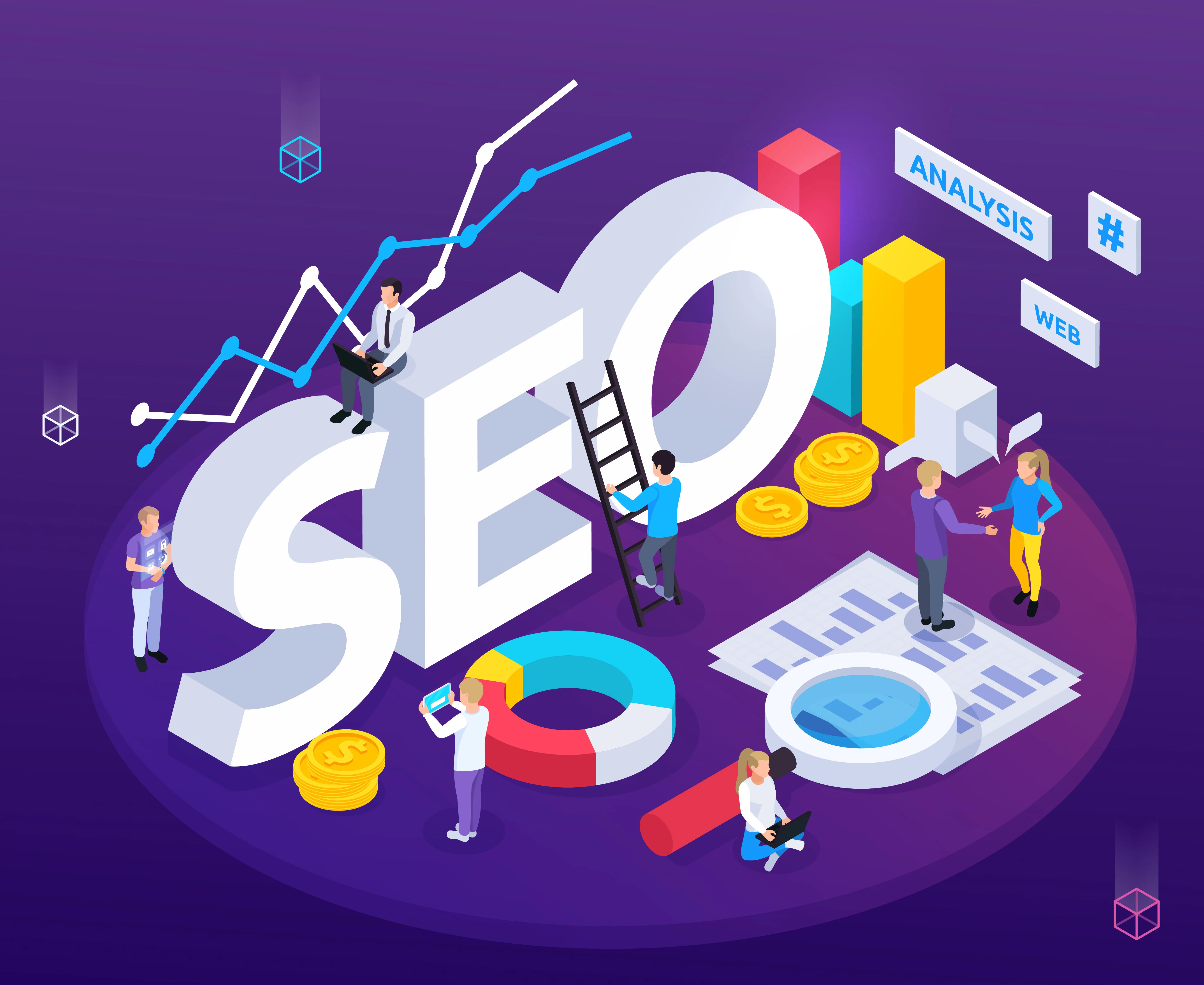
In 2026, technical SEO is not a “nice to have”, it is the baseline for performance across both traditional search and AI-driven discovery.
For example, a beautifully written guide will not perform well if it loads slowly, returns errors, or is buried deep in a confusing site structure. Likewise, AI systems are far less likely to surface content that appears unreliable or poorly maintained.
In practical terms, this means you should:
- Ensure your site loads quickly on both mobile and desktop
- Keep your site structure simple, logical, and easy to navigate
- Fix broken pages, redirect issues, and indexing errors
- Use clean URLs and sensible internal linking
- Apply structured data where it genuinely adds clarity
Think of technical SEO as the foundations of a building. You may not see it, but without it, everything else becomes unstable. Strong technical quality supports rankings, improves user experience, and makes your content easier for AI systems to understand and reuse.
2. Helpful, Human Content Wins
In a world where AI can generate average content in seconds, genuinely helpful, human-focused content stands out more than ever. By 2026, the bar is no longer “Is this content optimised?” but rather “Is this content actually useful to someone trying to solve a real problem?”
Instead of producing generic articles, high-performing brands focus on:
- Real questions their audience is asking
- Clear, experience-led explanations
- Practical advice that can be applied immediately
- Examples drawn from real projects or scenarios
For instance, rather than writing a broad article titled “What Is SEO?”, a more effective approach might be “How SEO And AI-Driven Search Work Together For B2B Brands In 2026”, supported by:
- A breakdown of real-world challenges
- Before-and-after examples
- Common mistakes to avoid
- Clear next steps for the reader
This type of content serves two purposes at once. It builds trust with human readers, and it gives AI systems rich, well-structured material to reference and summarise. In short, the more useful and specific your content is, the stronger it performs across both traditional SEO and AI visibility.
3. Authority And Links Still Count
Despite frequent claims that “links are dead”, authority signals remain a core part of how search engines and AI systems judge credibility. By 2026, it is not about chasing large volumes of low-quality links, but about earning relevant, meaningful mentions from trusted sources.
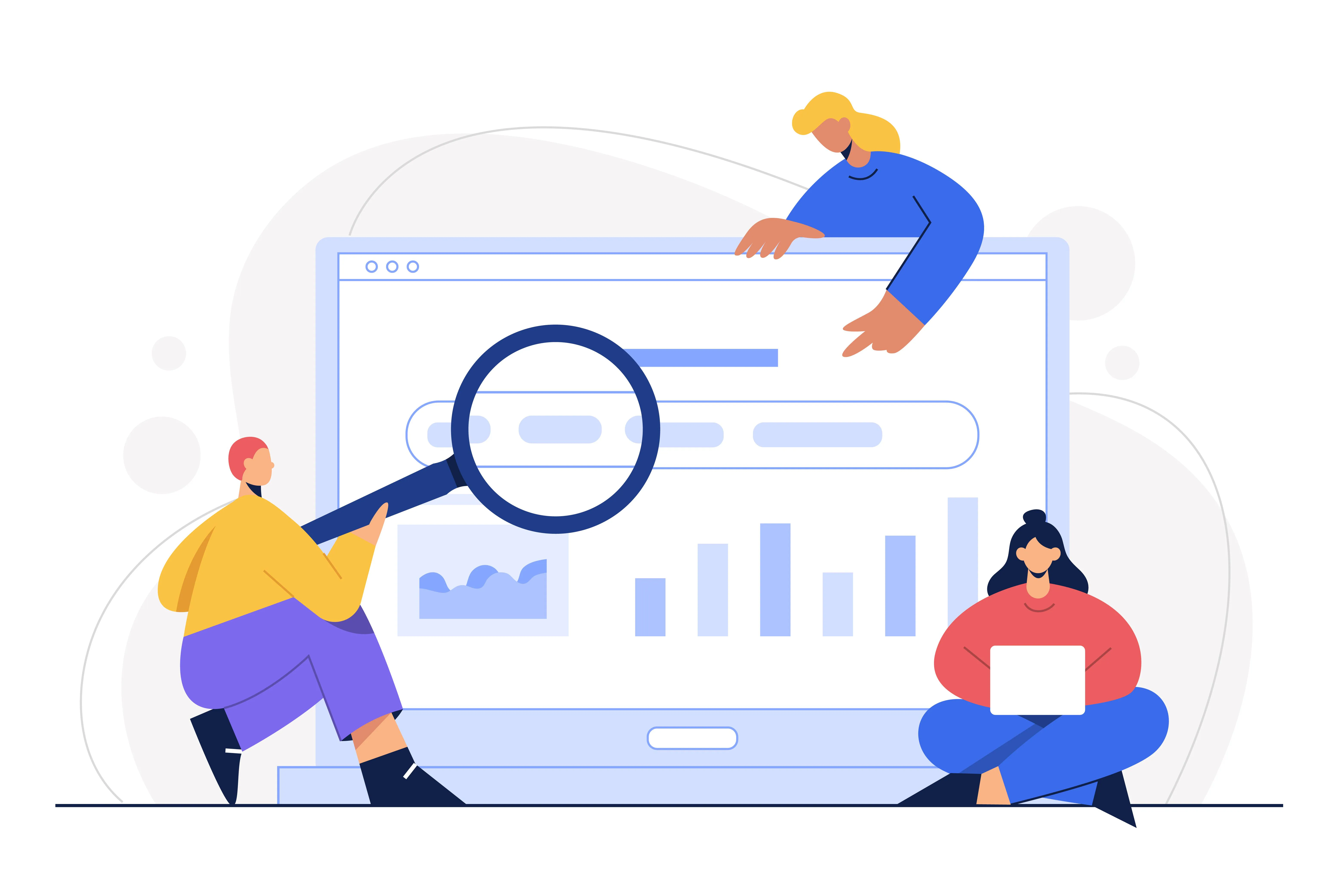
In the context of traditional SEO vs AI visibility, authority works on two levels:
- It helps your pages perform well in classic organic search results
- It reinforces your brand’s credibility when AI systems decide which sources to reference or recommend
For example, if your agency is regularly quoted by respected marketing publications or featured in industry research, this sends a strong trust signal. It tells both search engines and AI tools that your insights are worth paying attention to.
To build authority in a sustainable way, focus on:
- Publishing content that is genuinely worth citing
- Sharing original insights, data, or practical frameworks
- Building relationships with relevant industry platforms
- Earning links and mentions through quality, not shortcuts
Over time, this compounds. The stronger your authority becomes, the easier it is to earn visibility, both in search results and in AI-generated answers.
4. User Experience Shapes Performance
User experience is no longer separate from SEO, it is a central ranking and visibility factor. Search engines and AI systems both pay close attention to how people interact with your content. Do they stay on the page? Do they explore further? Do they find what they came for?
A good user experience is not about flashy design. It is about clarity, ease, and purpose. For example:
- A guide should be easy to scan, with clear headings and logical sections
- A service page should quickly explain what you offer and who it is for
- A conversion page should make the next step obvious and friction-free
To improve performance, you should:
- Structure content so it is easy to read and navigate
- Match each page to a clear user intent (learn, compare, decide, act)
- Avoid clutter and unnecessary distractions
- Make key actions simple, whether that is contacting you, downloading a resource, or exploring related content
When users have a good experience, they stay longer, engage more, and trust your brand more. Those signals, in turn, support both traditional rankings and your wider AI visibility.
What Is Genuinely New with AI Visibility?
While the foundations remain, there are a few newer priorities you should not ignore.
1. Clarity Beats Cleverness
In AI-driven search environments, clarity consistently outperforms clever wording. AI systems are designed to interpret, summarise, and recombine information. When your content is straightforward, well-structured, and precise, it is far more likely to be understood correctly and therefore more likely to be reused in AI-generated answers.
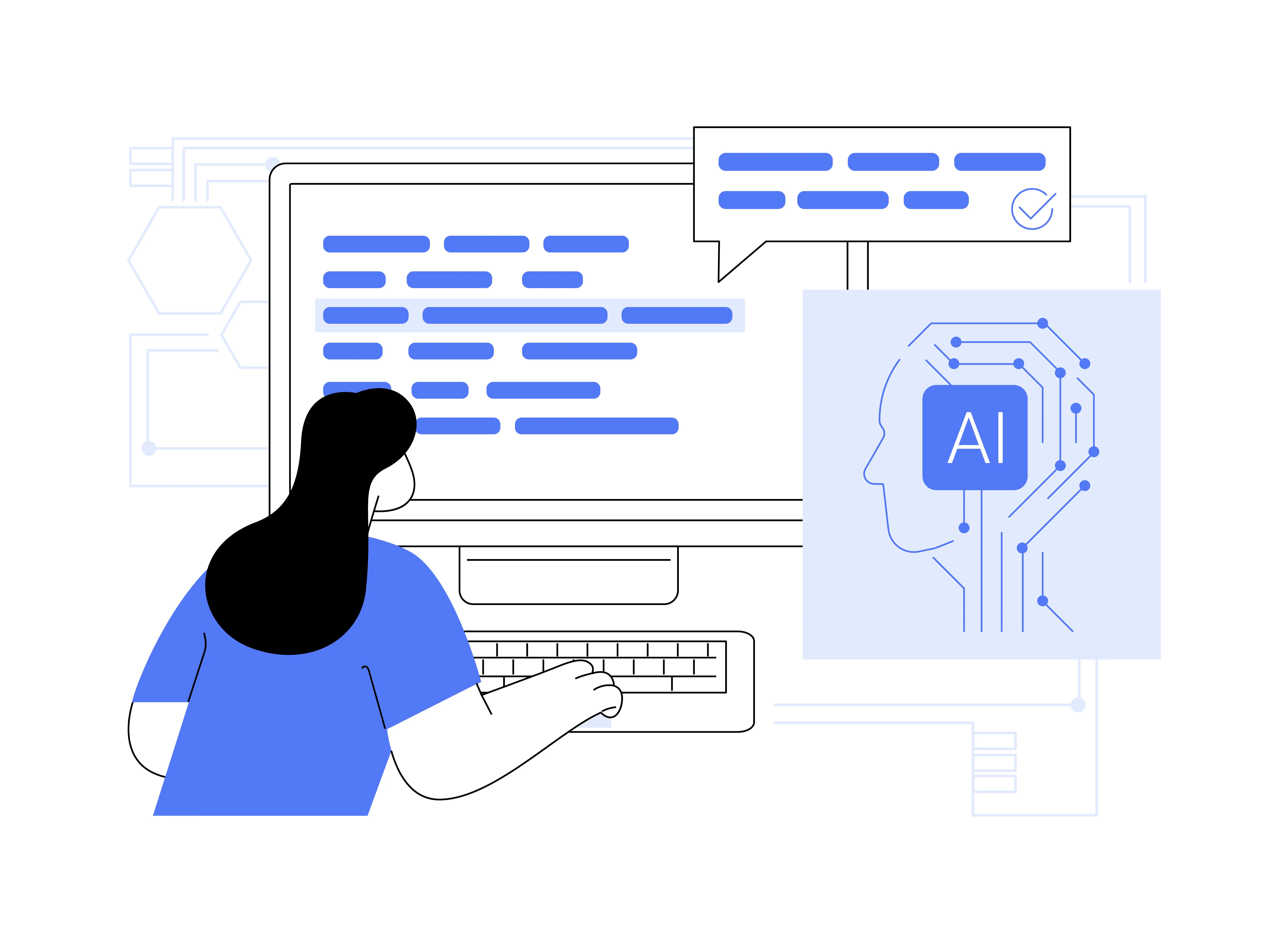
This does not mean your content should be dull. It means it should be unambiguous and purposeful. For example, a page titled “Our Approach to Digital Growth” is less clear than “How We Help B2B Brands Grow with SEO and AI-Powered Marketing”. The second version tells both users and machines exactly what to expect.
To improve clarity, focus on:
- Writing direct, descriptive headings
- Answering key questions early in the page
- Using short paragraphs and clear transitions between ideas
- Avoiding vague buzzwords in favour of plain English
- Keeping terminology consistent across your site
In practice, this approach benefits everyone. Readers find what they need faster, and AI systems can more confidently summarise or reference your content without misinterpreting your message.
2. Brand Consistency Matters More
AI visibility is not just about individual pages, it is about how your entire brand is understood across the web. AI systems build a picture of who you are, what you do, and how credible you are by looking at signals from multiple sources, not just your website.
This means consistency is now a strategic advantage. For example, if your site, case studies, social profiles, and industry mentions all clearly position you as a specialist in performance-driven SEO and AI-powered marketing, that message becomes much stronger and more trustworthy.
To strengthen brand consistency, you should:
- Align your messaging across your website, profiles, and content
- Clearly define your expertise and stick to it
- Support your claims with case studies, results, and practical examples
- Make your “About” and “Services” pages precise, not generic
When your brand story is consistent and evidence-based, AI systems are more likely to treat your business as a reliable source and users are more likely to trust what they see.
3. Structured Data And Context Help
While you do not need to chase every new technical trend, providing clear context has become increasingly important in an AI-first search landscape. Structured data, logical page layouts, and well-labelled sections help both search engines and AI systems understand what your content is about and how it should be used.
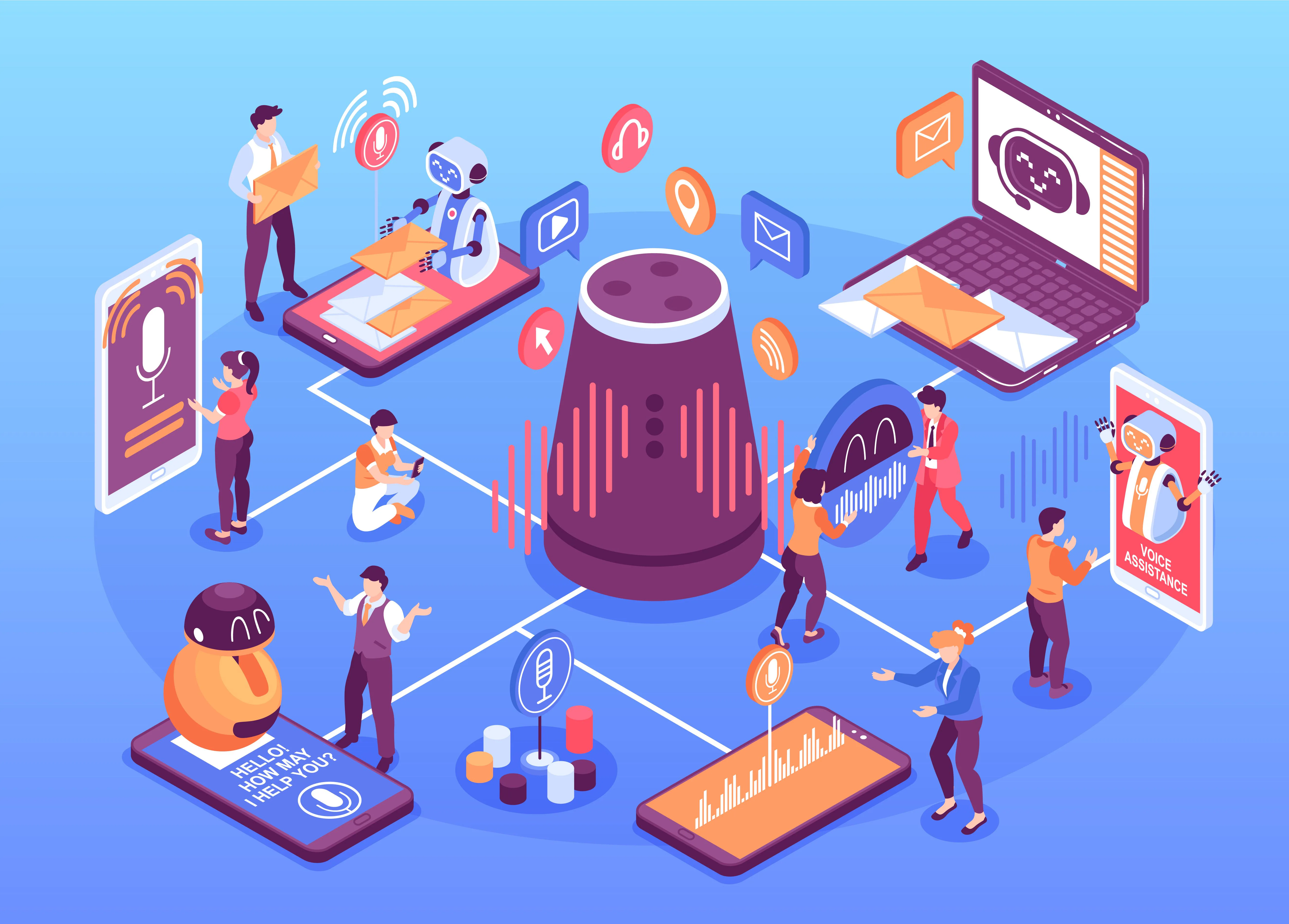
For instance, a well-structured guide with:
- Clear section headings
- A short summary at the top
- FAQ sections marked up properly
- Step-by-step explanations
is far easier for AI systems to interpret and summarise than a long, unstructured block of text.
In practical terms, this means you should:
- Use structured data where it adds real clarity (such as FAQs, articles, or services)
- Design pages with a clear information hierarchy
- Break complex topics into logical, self-contained sections
- Make key definitions, steps, and recommendations easy to identify
Done well, this approach supports classic SEO, improves user experience, and increases the chances that your content will appear in AI-driven summaries, answers, and recommendations.
So, How Should You Think About “Traditional SEO vs AI Visibility” in Practice?
Rather than treating traditional SEO and AI visibility as competing priorities, the most effective approach in 2026 is to see them as two sides of the same growth strategy.
- Traditional SEO builds your foundations: traffic, performance, and authority.
- AI visibility extends your reach: how your brand is represented, summarised, and recommended across modern search experiences.
They share the same core inputs: quality, clarity, trust, and usefulness.
In practical terms, this means shifting from a narrow focus on rankings alone to a broader focus on useful presence wherever your audience looks for answers.
For example, a strong guide might rank well in organic search, be referenced in an AI-generated summary, and support a conversational search result, all at the same time. Each touchpoint reinforces the others.
To make this work, successful teams focus on three core areas.
1. Invest In Strong Fundamentals
The first priority is to get the basics right and keep them right. No amount of AI optimisation will compensate for a slow, confusing, or poorly structured website. Strong technical SEO, clear site architecture, and high-quality content remain the engine of sustainable visibility.
In practice, this means:
- Keeping your website fast, stable, and easy to crawl
- Maintaining a logical structure that supports both users and AI search engines
- Regularly reviewing and improving your most important pages
- Treating SEO as an ongoing performance discipline, not a one-off project
When these foundations are solid, both traditional search engines and AI systems can access, understand, and trust your content more easily.
2. Adapt Your Content To Real Questions And Real Use Cases
The second priority is to align your content with how people actually search and decide in 2026. Users increasingly ask full questions, compare options, and look for practical guidance rather than generic explanations. Your content should reflect that shift.
For example, instead of creating multiple pages that target slight keyword variations, it is often more effective to build comprehensive resources that:
- Answer the main question clearly
- Address common follow-up questions
- Provide examples, frameworks, or scenarios
- Guide the reader towards a sensible next step
This approach helps in two ways. It makes your content more useful and persuasive for human readers, and it gives AI systems richer, better-structured material to summarise and reference in different contexts.
3. Measure Success Beyond Rankings Alone
Finally, the way you measure success needs to evolve. Rankings still matter, but they no longer tell the full story. In a blended search environment, visibility can also mean being cited, summarised, or recommended, even when that does not always lead to an immediate click.
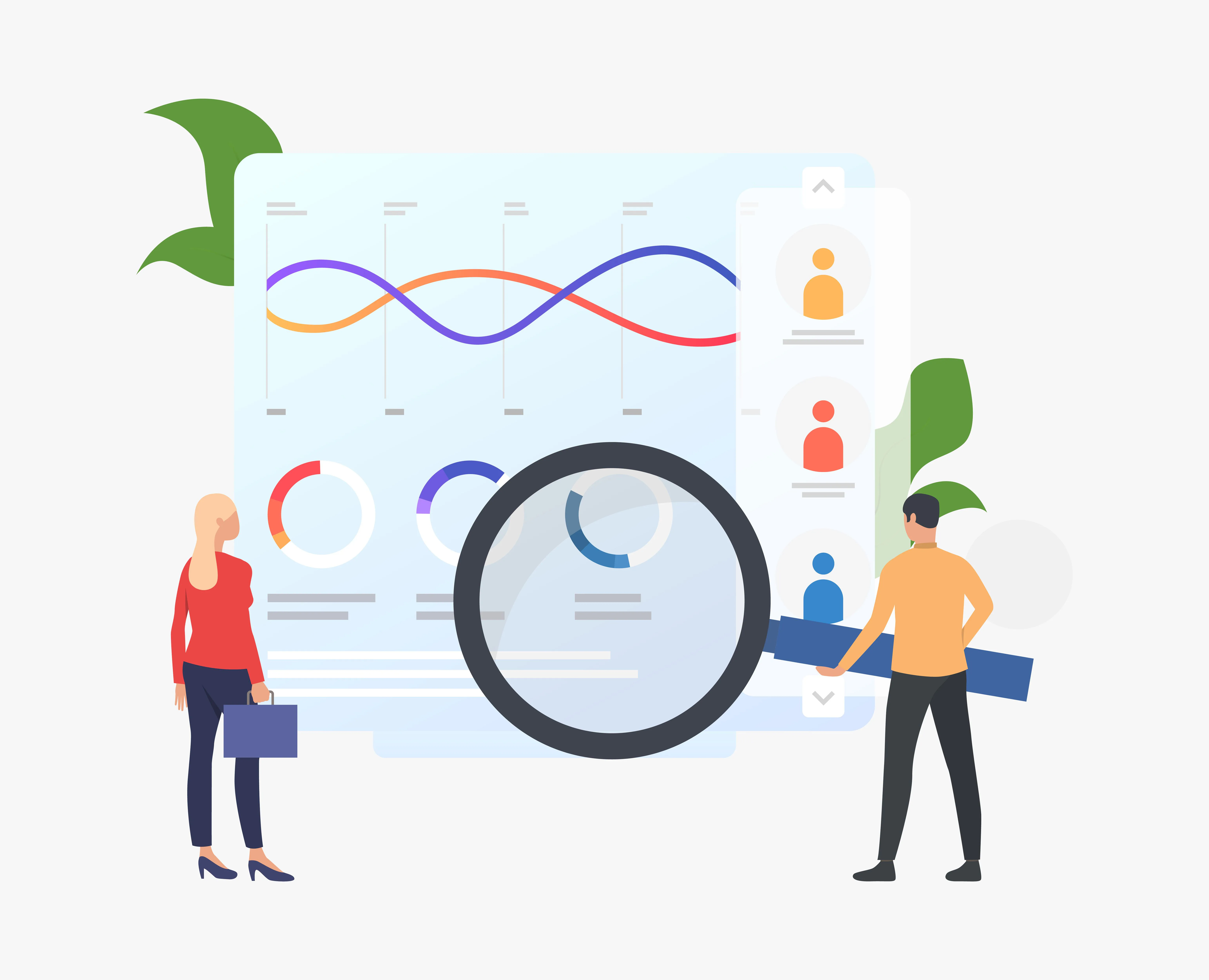
A more complete measurement approach looks at:
- Organic traffic quality, not just volume
- How often your brand appears in modern search features and summaries
- Engagement signals such as time on page and return visits
- Business outcomes such as leads, enquiries, and conversions
By focusing on impact rather than isolated metrics, you can make better decisions about where to invest your time and budget and ensure your strategy supports real business growth, not just surface-level performance.
A Simple Action Checklist For 2026
Turning strategy into results requires focus and consistency. Rather than chasing every new feature or algorithm update, the most effective teams in 2026 concentrate on a clear set of priorities that strengthen both traditional SEO and AI visibility. The checklist below is designed to be practical, realistic, and directly applicable to most organisations.
1. Audit Your Site’s Technical Health And Fix The Basics First
Start with the foundations. If your site is slow, unstable, or difficult to crawl, every other improvement will deliver weaker results than it should. A technical audit helps you identify the issues that quietly limit performance across search engines and AI-driven discovery tools.
In practice, you should:
- Review page speed, mobile performance, and core stability metrics
- Check for indexing issues, broken links, and unnecessary redirects
- Ensure your site structure is logical and easy to navigate
- Confirm that important pages are accessible and properly linked internally
For example, improving load times and cleaning up crawl errors often leads to quick wins in both rankings and user engagement, without changing a single word of content.
2. Review Your Key Pages: Do They Truly Answer User Questions?
Next, focus on the pages that matter most to your business, your main services, core guides, and high-traffic resources. Ask a simple question: if you were the user, would this page genuinely help you make a better decision?

To strengthen these pages:
- Make sure each one targets a clear user intent (learn, compare, decide, or act)
- Add practical detail, examples, or explanations where content feels thin
- Improve structure with clearer headings and more logical flow
- Remove vague statements and replace them with specific, useful guidance
For instance, a service page should not just list features. It should explain how you work, who you help, what makes you different, and what the next step looks like.
3. Strengthen Your Expertise Signals With Proof, Not Promises
In 2026, credibility is a competitive advantage. Both users and AI systems look for evidence that you know what you are talking about and that your advice is grounded in real experience.
You can reinforce this by:
- Publishing case studies that show real problems and real results
- Sharing insights based on your own data, projects, or experiments
- Making authorship and expertise clear where it adds trust
- Keeping your positioning consistent across your website and profiles
For example, instead of saying “We deliver results,” show how you delivered them, what changed, and why it mattered. This builds confidence and makes your brand more likely to be referenced and recommended.
4. Improve Internal Linking And Content Structure For Clarity And Context
Good internal linking is not just about SEO, it helps users and AI systems understand how your content fits together. A clear structure also makes your site easier to navigate and your expertise easier to recognise.

Practical steps include:
- Linking related articles and guides in a natural, helpful way
- Grouping content into clear themes or topic areas
- Ensuring important pages are no more than a few clicks from the homepage
- Using descriptive anchor text that explains what the linked page is about
For example, a guide about SEO strategy should naturally link to related content about technical SEO, content optimisation, and performance measurement, creating a clear knowledge pathway.
5. Track More Than Rankings: Measure Real Visibility And Business Impact
Finally, update how you measure success. Rankings are still useful, but they no longer capture the full picture in a blended, AI-driven search landscape.
A more meaningful measurement approach includes:
- Tracking the quality of organic traffic, not just the volume
- Monitoring engagement metrics such as time on page and return visits
- Watching how often your brand appears in modern search features and summaries
- Connecting SEO performance to leads, enquiries, and revenue
This helps you focus on what actually drives growth, rather than optimising for numbers that look good in reports but do not move the business forward.
Ready To Build Your AI Visibility Strategy?
The conversation about traditional SEO vs AI visibility can sound more dramatic than it needs to be. In reality, 2026 rewards the same principles that have always driven sustainable growth: technical excellence, helpful content, clear positioning, and genuine authority.
At Saigon Digital, we help businesses turn strategy, creativity, and data into measurable growth.
Contact us today to kickstart your AI visibility campaign!
Want to be the brand AI engines recommend?
We make businesses visible on Google and inside AI answers, measured in leads, not vanity metrics.