Artificial intelligence is no longer a future concept in digital marketing. It is already shaping how search engines work, how users discover content, and how brands compete online. As we move through 2026, the relationship between AI and SEO has become more sophisticated, more strategic, and more business-critical than ever before.
For brands that rely on organic visibility, understanding how AI influences search is no longer optional. At Saigon Digital, we work with ambitious businesses that want clarity, not hype. This article breaks down what AI and SEO really mean in 2026, how search has changed, and what you can do now to stay competitive.
The Evolution of AI and SEO
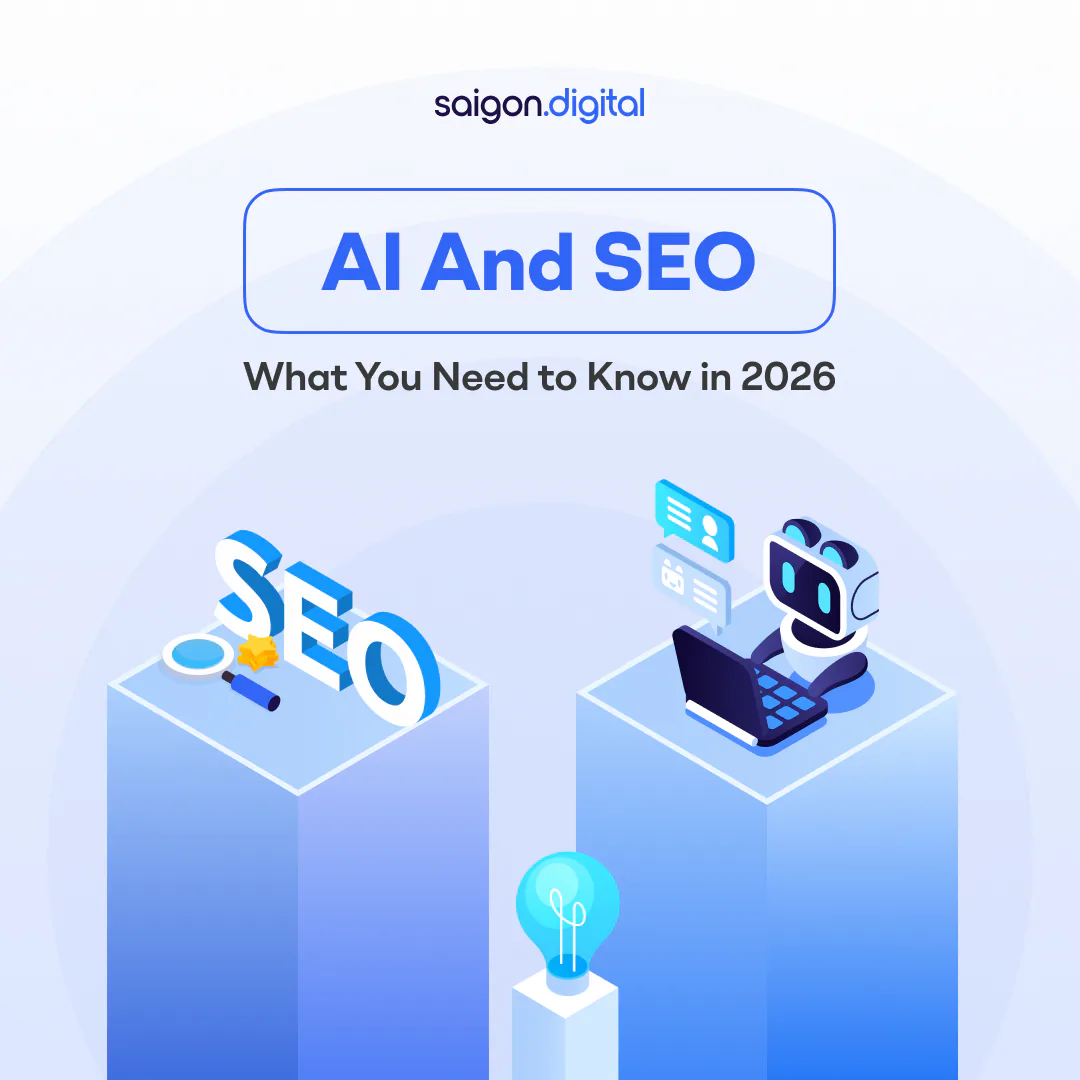
SEO has always evolved alongside search engine technology. From keyword stuffing to mobile-first indexing, each shift has rewarded brands that focused on users rather than shortcuts. AI simply accelerates that trend.
Search engines now rely heavily on machine learning models to interpret intent, context, and quality. Google’s ranking systems, for example, analyse behaviour patterns, content usefulness, and semantic meaning rather than just matching keywords.
In practical terms, AI and SEO in 2026 means:
- AI search engines understand why someone is searching, not just what they typed.
- Content is evaluated on usefulness, clarity, and credibility.
- Manipulative or low-value tactics are filtered out faster than ever.
This creates both a challenge and an opportunity. Brands that invest in meaningful content and user-focused experiences can outperform competitors with fewer but higher-quality pages.
How AI Has Changed Search Behaviour
AI does not only affect algorithms. It also changes how people search.
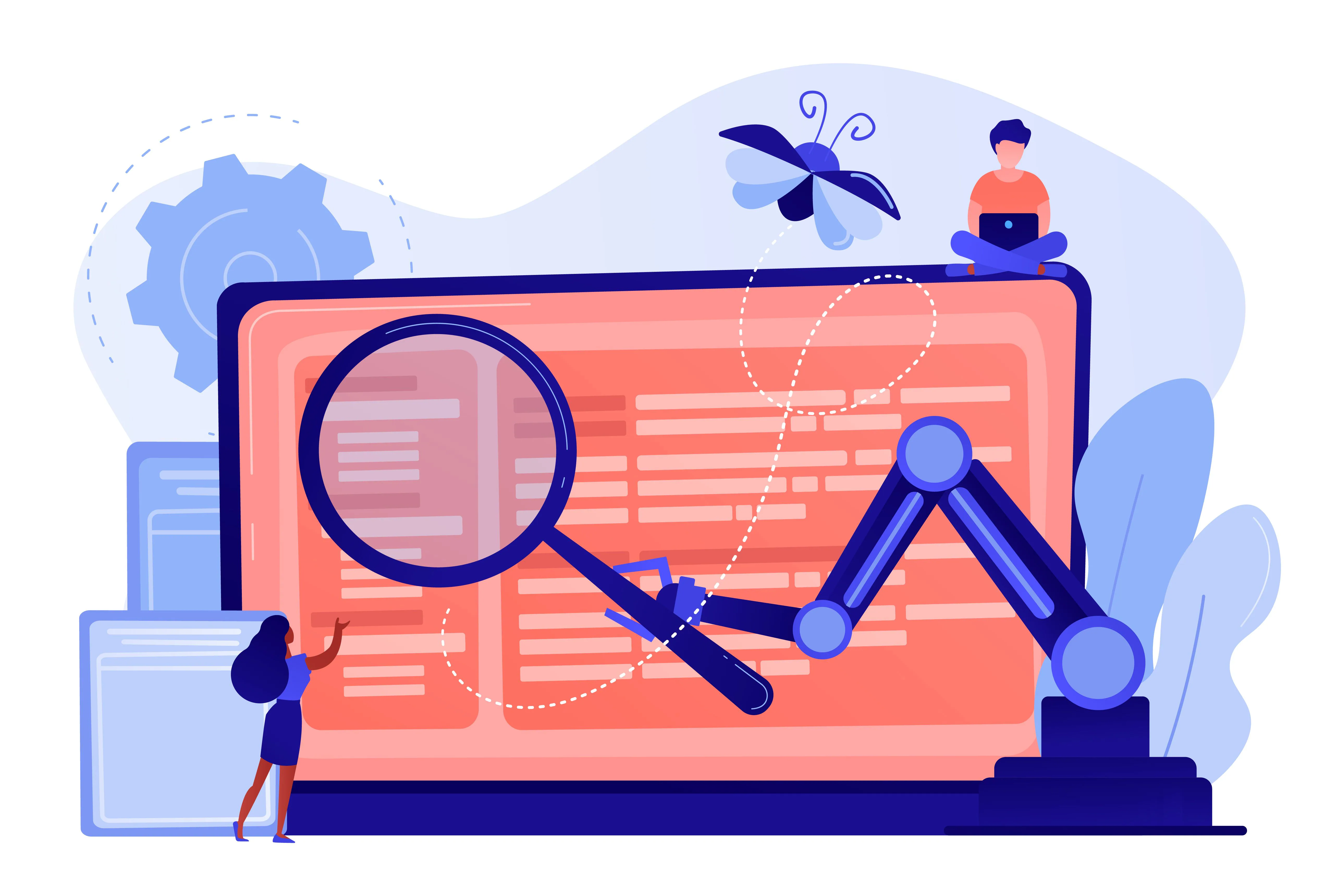
Today’s users expect faster, clearer, and more personalised answers. AI-powered features such as:
- Conversational search
- Predictive suggestions
- AI-generated summaries
- Voice and visual search
have reshaped expectations.
For example, instead of searching “best SEO agency Ho Chi Minh”, a user might ask:
“Which SEO agency can help a mid-sized ecommerce brand grow internationally?”
Search engines use AI to interpret the context, intent, and constraints behind that query. This is why traditional keyword targeting alone no longer works.
What this means for SEO teams in 2026: You must optimise for real questions, real problems, and real decision-making moments.
AI-Generated Content: Opportunity, Not a Shortcut
One of the biggest misconceptions around AI and SEO is content automation. AI tools can now generate articles, product descriptions, and metadata in seconds. Used carelessly, this leads to generic, low-impact content that struggles to rank.
Search engines are not penalising AI-generated content by default. They are penalising unhelpful content.
The difference matters.
Good use of AI in content:
- Assisting with research and outlines
- Summarising complex topics
- Supporting content localisation
- Speeding up first drafts
Poor use of AI:
- Publishing content without human review
- Repeating existing content without insight
- Writing for algorithms instead of users
At Saigon Digital, we see AI as an accelerator, not a replacement. The strongest SEO strategies in 2026 combine AI efficiency with human expertise, industry understanding, and editorial judgment.
E-E-A-T Still Matters (More Than Ever)
Experience, Expertise, Authoritativeness, and Trust (E-E-A-T) remain central to modern SEO. AI has made it easier for search engines to evaluate these signals at scale.
In 2026, search engines assess:
- Who created the content
- Whether they have real-world experience
- If the brand demonstrates consistency and credibility
- How users engage with the content
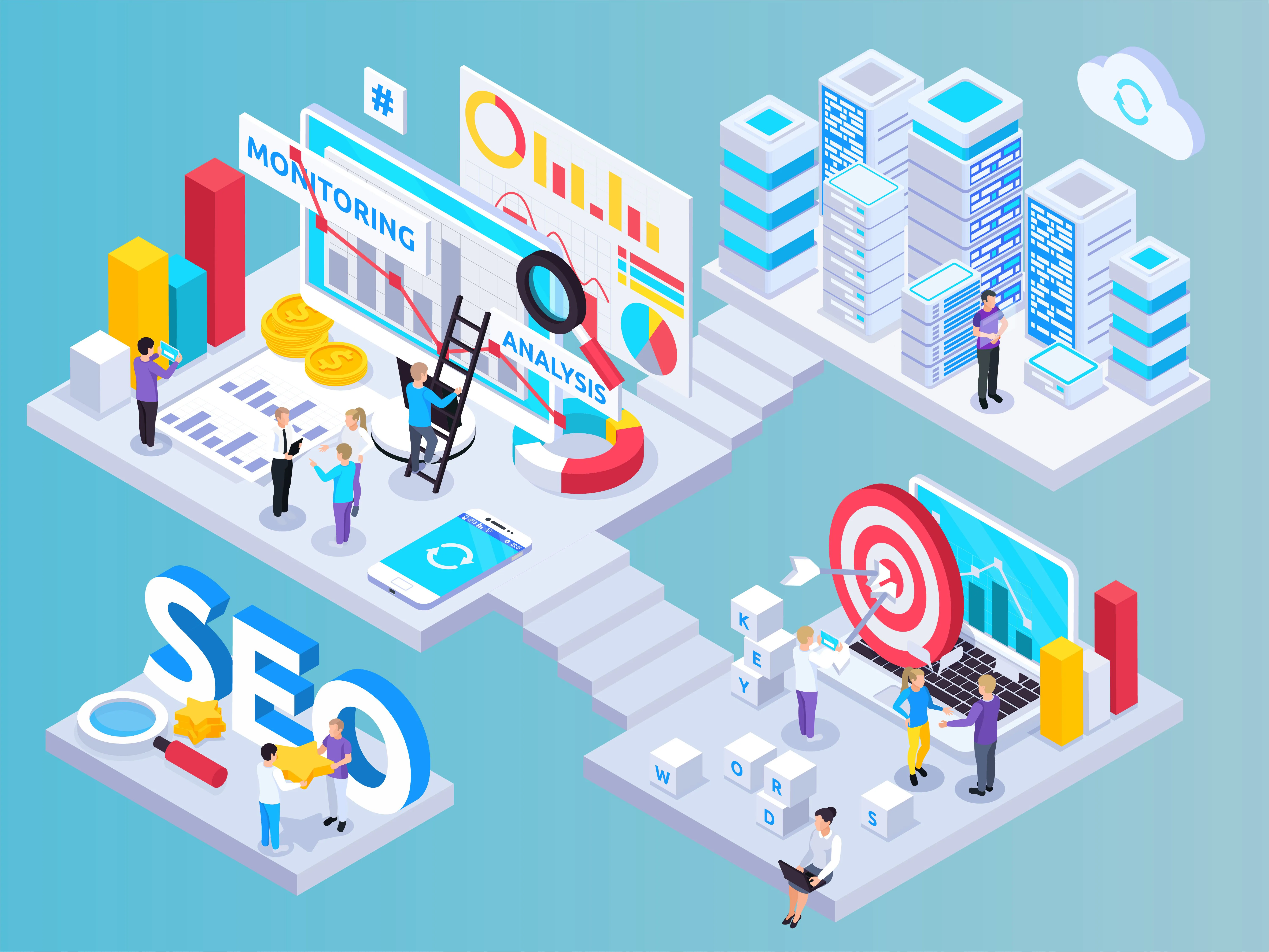
For example, a financial services article written by a qualified professional, supported by data and clear explanations, will outperform generic content written without context.
Actionable takeaway: Show your expertise clearly. Use case studies, real examples, named authors, and transparent information. AI can help structure content, but trust must be earned.
Technical SEO Meets AI
AI and SEO also intersect at the technical level. Search engines use AI to evaluate site performance, structure, and accessibility more holistically than before.
Key technical priorities for 2026 include:
- Core Web Vitals and real user experience
- Logical site architecture
- Clean internal linking
- Schema and structured data
- Crawl efficiency
AI-driven crawling means search engines can identify friction points faster. Slow-loading pages, confusing navigation, or poor mobile experiences are harder to hide.
For example, if users consistently abandon a page after a few seconds, AI systems interpret that as a quality signal. Fixing performance issues is no longer just technical hygiene; it directly affects visibility.
Personalisation and Predictive Search
AI enables search engines to personalise results based on:
- Location
- Search history
- Device type
- Behaviour patterns
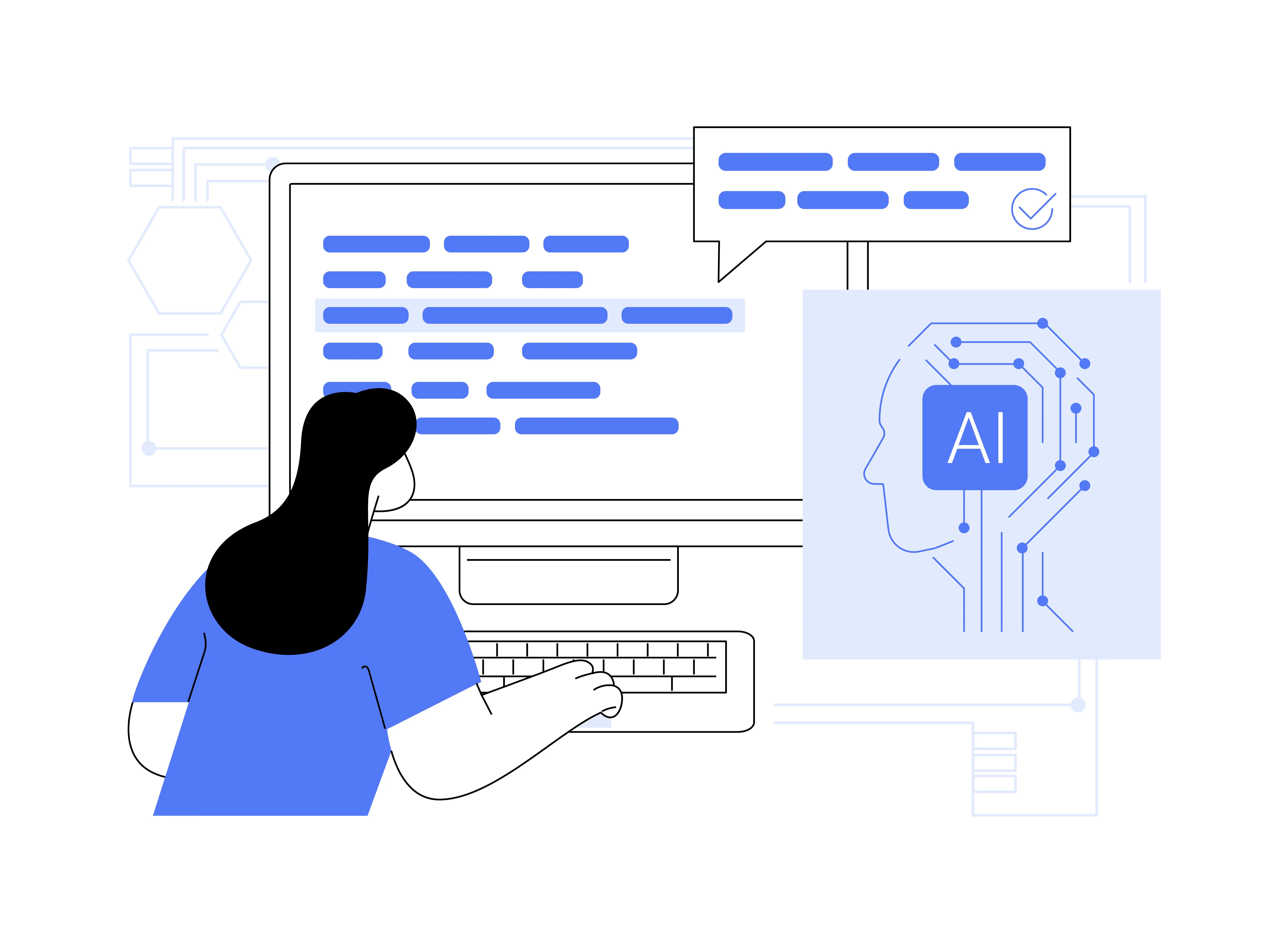
This means rankings are no longer identical for every user. SEO in 2026 focuses less on “position one” and more on visibility across relevant contexts.
From a strategy perspective, this reinforces the need for:
- Clear topical authority
- Content that answers multiple stages of the buyer journey
- Strong brand signals across channels
SEO does not exist in isolation anymore. It connects closely with UX, CRO, content marketing, and brand building.
AI-Powered SEO Tools: Smarter, Not Louder
Modern SEO platforms now use AI to:
- Identify ranking opportunities
- Predict performance trends
- Analyse competitor gaps
- Prioritise actions based on impact
However, tools do not replace strategy. They surface insights, but humans still make decisions.
A common mistake in 2026 is chasing every AI recommendation without context. Effective teams focus on what aligns with business goals, not just what the tool flags.
At Saigon Digital, we use AI-powered insights to guide smarter decisions, not automate guesswork.
What Businesses Should Do Now
To succeed with AI and SEO in 2026, businesses need more than surface-level optimisation. The most effective strategies focus on clarity, usefulness, and long-term value.
Below, we break down the five core priorities and explain exactly how to approach each one.
1. Build Content Around Real Problems
First and foremost, content must address genuine user needs. AI-driven search systems are exceptionally good at identifying whether content actually helps people or simply exists to attract clicks. For this reason, every piece of content should start with a real question, challenge, or decision your audience faces.
Rather than asking “Which keywords should we target?”, shift the thinking towards “What problem is the user trying to solve at this stage?”. For example, an ecommerce brand might create content that explains how to choose the right product, compares options honestly, or answers common post-purchase questions.

To do this effectively:
- Map content to different stages of the buyer journey (awareness, consideration, decision)
- Use customer queries, sales conversations, and support tickets as content inspiration
- Structure content clearly with headings, summaries, and practical steps
AI tools can help with research, outlining, and identifying related questions. However, human insight is essential to ensure the content reflects real-world experience and practical understanding. When AI supports your expertise rather than replacing it, content becomes far more impactful.
2. Invest in Technical Foundations
Strong technical SEO underpins everything else. In 2026, AI-powered search engines evaluate websites holistically, meaning performance issues, confusing navigation, or poor accessibility can significantly limit visibility.
A technically sound website ensures search engines can crawl, understand, and rank your content efficiently. At the same time, it improves user experience, which AI systems increasingly treat as a quality signal.
Key technical priorities include:
- Fast page load times across all devices
- Mobile-first design and usability
- Clear site structure with logical internal linking
- Clean URLs and consistent metadata
- Proper use of structured data (schema)
For example, if a service page loads slowly and users frequently leave before engaging, AI systems interpret this behaviour as a negative signal. Fixing performance issues, simplifying layouts, and improving navigation can directly improve both rankings and conversions.
Technical SEO is not a one-off task. Regular audits and ongoing optimisation ensure your site remains competitive as algorithms and user expectations evolve.
3. Strengthen Brand and Trust Signals
As AI becomes better at evaluating credibility, brand strength plays a larger role in SEO success. Search engines look beyond individual pages and assess whether a business demonstrates consistency, authority, and trust across the wider digital ecosystem.
This means your SEO strategy should reinforce your brand, not operate separately from it.
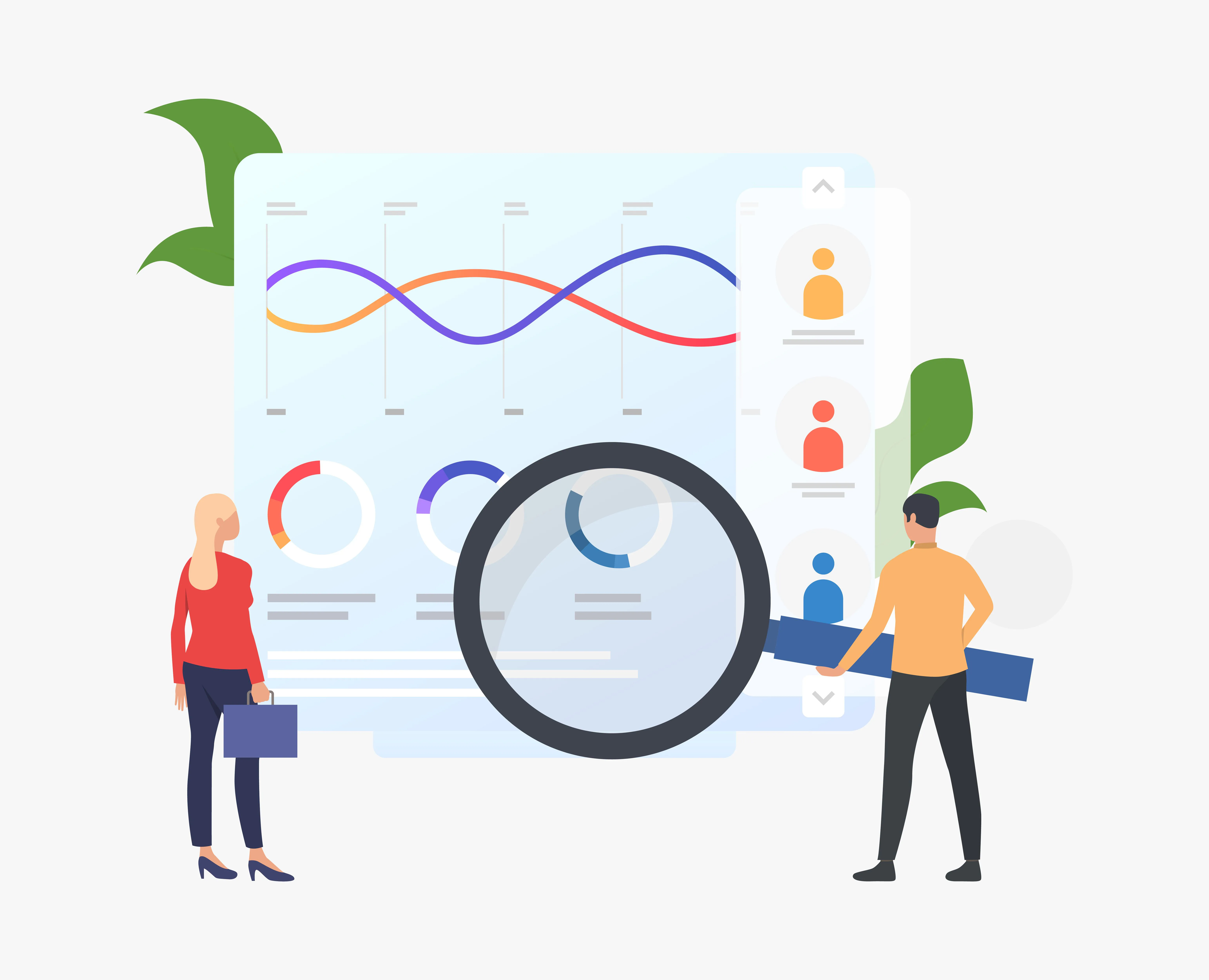
Practical ways to strengthen trust signals include:
- Publishing expert-led content with clear authorship
- Showcasing case studies, testimonials, and real outcomes
- Maintaining consistent messaging across your website, social channels, and PR
- Earning quality backlinks from relevant, authoritative sources
For instance, a brand that regularly shares in-depth insights, supports claims with data, and demonstrates real experience in its field is far more likely to be seen as trustworthy by both users and AI-driven search systems.
Ultimately, strong brands perform better in search because they give algorithms clear signals of legitimacy and value.
4. Use AI Strategically
AI should enhance your SEO efforts, not automate them blindly. While AI tools can process large volumes of data and identify patterns quickly, they still rely on human oversight to interpret insights correctly and apply them strategically.
In practice, AI is most effective when used to:
- Identify content gaps and emerging topics
- Analyse competitor performance at scale
- Forecast trends and prioritise SEO tasks
- Speed up research, drafting, and optimisation workflows
However, relying entirely on AI-generated outputs often leads to generic content and unfocused strategies. For example, automatically publishing AI-written articles without editorial review can dilute brand voice and weaken trust.
The key is balance. Use AI to work faster and smarter, while ensuring experienced teams guide direction, messaging, and quality. This approach keeps your SEO efforts efficient without sacrificing impact.
5. Measure What Matters
Finally, success in AI and SEO cannot be measured by rankings alone. As search becomes more personalised and dynamic, visibility looks different for every user. What matters most is whether SEO contributes to meaningful business outcomes.
Instead of focusing solely on keyword positions, track metrics that reflect real performance, such as:
- Organic traffic quality and engagement
- Conversion rates and assisted conversions
- User behaviour across key pages
- Content performance over time
For example, a page that ranks slightly lower but consistently drives qualified leads is far more valuable than one ranking highly with minimal engagement.
By aligning SEO measurement with business goals, you gain clearer insight into what is working and where to invest next. This data-driven approach ensures SEO remains a growth channel, not just a reporting exercise.
The Future of AI and SEO Is Human-Centred
Despite the technology behind it, the future of AI and SEO is fundamentally human. AI helps search engines understand people better, not remove them from the equation.
Brands that succeed in 2026 will be those that:
- Respect user intent
- Communicate clearly
- Deliver real value
- Use AI responsibly
At Saigon Digital, we believe the future of digital growth lies in combining strategy, creativity, data, and AI-powered marketing to drive measurable results. SEO is no longer about chasing algorithms. It is about building digital experiences that deserve visibility.
If your business is ready to adapt, evolve, and lead, now is the time to align your SEO strategy with the realities of AI-driven search.
Get in touch with us today!
Want to be the brand AI engines recommend?
We make businesses visible on Google and inside AI answers, measured in leads, not vanity metrics.