



As artificial intelligence continues to reshape how people discover information online, businesses are asking an increasingly important question: does AI search personalise results?
The answer is yes, but not always in the same way that traditional search engines have done for years.
In this article, we'll explore whether AI search personalises results, how different AI platforms approach personalisation, and what brands need to do to remain visible in an increasingly AI-driven search landscape.
Understanding AI Search
Before examining personalisation, it's important to understand what AI search actually means.
Traditional search engines work by crawling websites, indexing content, and ranking pages based on hundreds of factors. Users receive a list of results and choose which pages to visit.
AI search introduces a different experience.
Instead of presenting ten blue links, AI systems often:
- Generate direct answers
- Summarise information from multiple sources
- Recommend products or services
- Answer follow-up questions conversationally
- Provide contextual guidance based on user intent
Examples of AI search engines include:
- Google AI Overviews
- ChatGPT Search
- Google Gemini
- Perplexity AI
- Microsoft's Copilot
These platforms combine large language models with search capabilities, creating a more interactive and personalised search experience.
So, Does AI Search Personalise Results?
In many cases, yes.
However, the degree of personalisation varies significantly depending on the platform, user settings, location, and available data.
Unlike traditional search engines that have relied on behavioural signals for years, AI search systems often combine multiple forms of contextual information to shape responses.
These may include:
- User location
- Search history
- Previous interactions
- Device type
- Language preferences
- Account information
- Conversation history
- Current context of the query
The result is that two users asking the same question may receive somewhat different answers.
For example, someone searching for:
"What are the best restaurants for a family dinner?"
may receive recommendations influenced by:
- Their city
- Their previous searches
- Local business information
- Reviews and ratings
- Personal preferences inferred from past interactions
This level of contextual understanding is one of the key differences between AI search and traditional search results.
How AI Search Personalisation Differs from Traditional Search
Personalisation is not a new concept in search.
In fact, search engines such as Google have been personalising search results for many years. Factors including a user's location, language settings, device type, previous searches, and browsing behaviour have long influenced the results displayed on a search engine results page (SERP).
For example, if someone in Birmingham searches for "best coffee shops", Google is likely to prioritise businesses near Birmingham rather than showing coffee shops located elsewhere in the UK. Similarly, a user who frequently searches for educational resources may receive different results from someone who regularly searches for hospitality-related content.
However, while traditional search personalises which webpages are shown and how they are ranked, AI search is beginning to personalise the answer itself.
This distinction is important.
With traditional search, users are typically presented with a list of links and then decide which websites to visit. Although the rankings may differ slightly from person to person, the overall search experience remains relatively consistent.
AI search, on the other hand, takes a more active role in interpreting information and generating responses. Rather than simply displaying links, AI systems analyse multiple sources and create a customised answer based on the user's query and context.
As a result, two users asking exactly the same question may receive noticeably different responses.
For example, if two people ask: "What is the best CRM software for my business?" an AI platform may tailor its recommendations based on factors such as:
- Business size
- Industry context
- Geographic location
- Previous questions within the conversation
- User preferences that have been inferred over time
A small independent restaurant may receive very different recommendations from a large retail chain, even if both use the same prompt.
In addition, AI search platforms can personalise more than just recommendations. Depending on the platform, they may also adjust:
- Which sources are cited
- Which brands are mentioned
- How information is prioritised
- The level of detail provided
- The examples used to illustrate a point
This creates a more tailored experience for users, but it also introduces new challenges for businesses seeking visibility.
In the past, securing a top-ranking position for a valuable keyword could often generate substantial visibility. Today, however, brands must also consider whether AI systems view them as trustworthy, authoritative, and relevant enough to include within generated answers.
In other words, success is no longer solely about ranking well. Increasingly, it is about becoming a source that AI platforms choose to reference, recommend, and trust when creating personalised responses for users.
For businesses investing in SEO and AI visibility, this shift highlights an important reality: the future of search is becoming less focused on webpages and more focused on delivering the most relevant answer for each individual user. Brands that understand this change early will be better positioned to compete as AI-driven search continues to evolve.
How Different AI Platforms Approach Personalisation
While AI search platforms share the goal of delivering relevant answers, they do not personalise results in exactly the same way. Each platform uses different data sources, technologies, and user signals to determine what information to present. Understanding these differences can help brands develop more effective SEO and Generative Engine Optimisation (GEO) strategies.
Google AI Overviews
Google AI Overviews build on top of Google's existing search ecosystem, which has been personalising results for many years. Because Google already understands factors such as location, language preferences, device type, and previous search activity, AI Overviews can use these signals to create more contextually relevant answers.
For example, if two users search for: "Best hotels for a weekend getaway", they may receive different recommendations depending on where they are located. A user in Manchester may see completely different suggestions from a user in London, even if they enter the same query.
For brands, this means local relevance remains extremely important. Google's AI-generated responses often prioritise businesses that demonstrate strong local authority and accurate information across the web.
Key signals that may influence Google AI Overviews include:
- User location
- Search intent
- Search history
- Google Business Profile information
- Reviews and ratings
- Website authority
- Content quality and relevance
What brands should take away: Strong local SEO, accurate business listings, and authoritative content remain essential if you want to appear in AI-generated recommendations.
ChatGPT Search
ChatGPT Search combines conversational AI with live web information. Rather than simply ranking pages, it aims to answer questions directly by synthesising information from multiple sources.
Unlike traditional search engines, ChatGPT often evaluates context across an entire conversation. This means the same question may generate different answers depending on what the user previously asked.
For example:
A user researching family holidays may ask: "What are the best destinations in Vietnam?"
They may then follow up with: "Which hotels would suit children under 10?"
Because ChatGPT understands the earlier context, its recommendations become more tailored to the user's specific needs.
As AI assistants continue to evolve, personalisation may become increasingly sophisticated through:
- Conversation history
- User preferences
- Geographic relevance
- Context from previous interactions
- Connected services and tools
For brands, this highlights the growing importance of creating content that answers real customer questions rather than focusing solely on keyword optimisation.
What brands should take away: Content that is clear, trustworthy, and written around genuine user needs is more likely to be surfaced in AI-generated answers.
Perplexity AI
Perplexity takes a somewhat different approach. Its responses are often heavily focused on source attribution, with clear citations linking users back to original content.
Because of this research-oriented design, Perplexity generally places significant emphasis on the quality and credibility of source material. While personalisation can still occur through factors such as location and query context, many answers remain relatively neutral and evidence-driven.
For example, if a user searches: "Best restaurant booking software"
Perplexity may present a summary based on multiple reviews, industry publications, and company websites rather than relying heavily on behavioural personalisation.
This creates opportunities for brands that consistently publish authoritative and well-researched content.
Factors that may influence visibility in Perplexity include:
- Content depth
- Source credibility
- Industry expertise
- Citation-worthy information
- Third-party mentions
What brands should take away: Becoming a trusted source of information can be just as important as achieving high rankings.
Gemini and AI Assistants
Google Gemini and similar AI assistants represent perhaps the most advanced form of AI personalisation currently emerging.
Unlike standalone search experiences, these assistants often operate across broader ecosystems that may include email, calendars, maps, productivity tools, and other connected services. This allows them to develop a much richer understanding of user context.
For example, someone asking: "Recommend a restaurant for tonight" may receive suggestions influenced by factors such as:
- Their current location
- Time of day
- Previous preferences
- Travel plans
- Nearby availability
As AI assistants become more integrated into everyday digital experiences, recommendations may become increasingly individualised.
For brands, this means visibility is no longer determined solely by search rankings. Instead, AI systems need to understand:
- Who your business is
- What services you provide
- Why customers trust you
- When your brand is relevant to a particular query
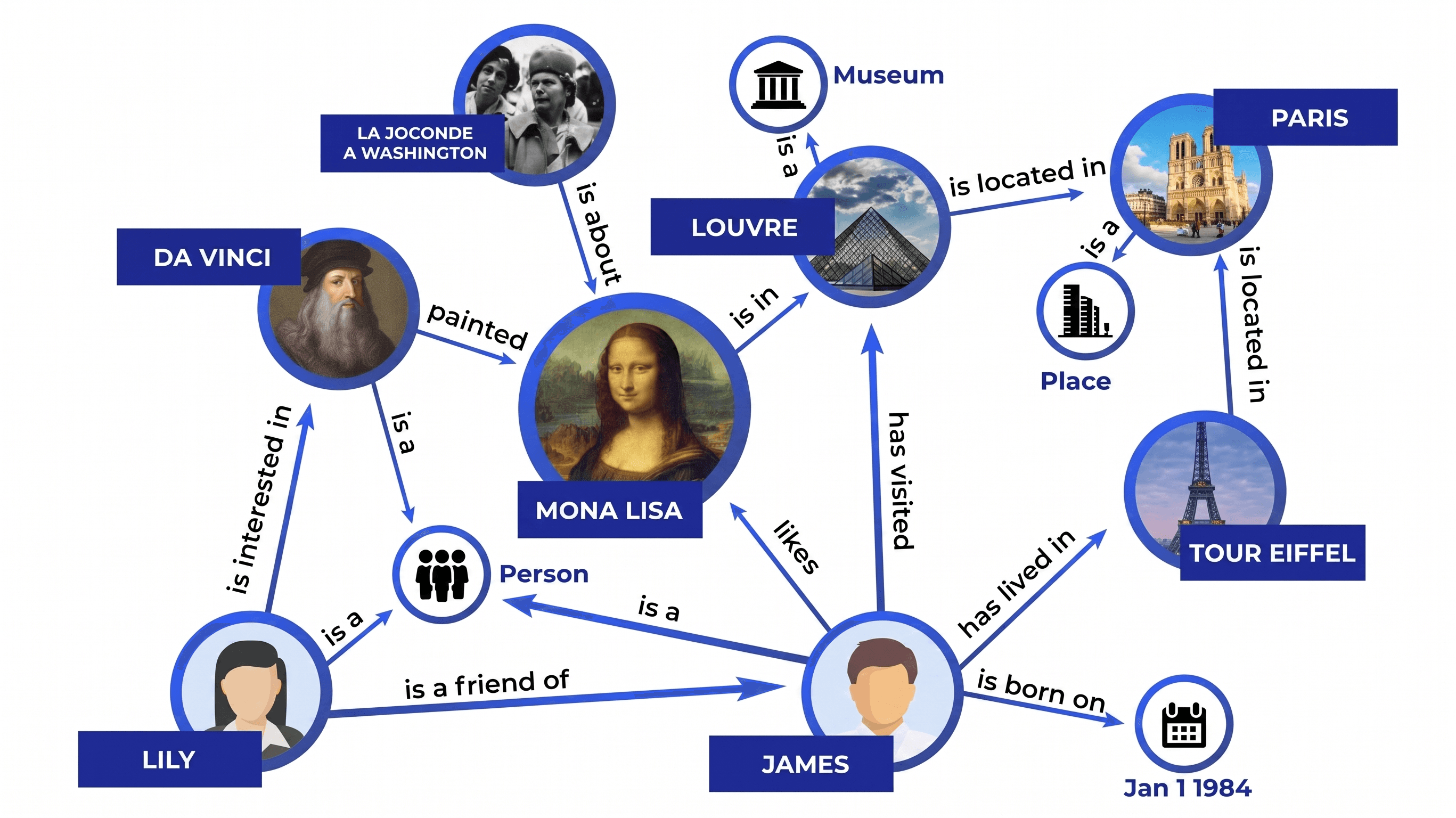
This is where entity optimisation, structured data, and knowledge graph development become increasingly valuable.
What brands should take away: The stronger your digital identity and authority signals, the easier it becomes for AI assistants to recognise and recommend your business in relevant situations.
What This Means for Brands
Although each platform approaches personalisation differently, a clear pattern is emerging: AI search is becoming more context-aware, more user-focused, and more selective about the information it trusts.
Across all major AI platforms, brands that perform best typically demonstrate:
- Strong expertise in their field
- Accurate and consistent business information
- Quality, user-focused content
- Clear authority signals
- Structured and AI-readable content
- Positive reputation across the web
In other words, while the technology behind AI search may differ, the underlying objective remains the same: surface the most relevant and trustworthy information for each individual user. Brands that invest in building that trust will be best positioned to remain visible as AI-driven search continues to evolve.
Why Personalisation Matters for Brands
Understanding whether AI search personalises results is not simply a technical question.
It has significant implications for visibility, customer acquisition, and brand perception.
1. Different Customers May See Different Brands
In traditional SEO, ranking highly often meant broad visibility.
In AI search, users may receive different recommendations based on their circumstances.
A hospitality business may appear prominently for one user while being omitted entirely for another.
This means brands need stronger overall authority rather than relying on a small number of rankings.
2. Trust Signals Become More Important
AI systems aim to provide reliable answers.
As a result, they frequently favour sources that demonstrate:
- Expertise
- Authority
- Trustworthiness
- Consistency
- Strong reputation signals
Brands with clear expertise and credible content are more likely to be referenced within AI-generated answers.
3. Context Matters More Than Keywords Alone
Traditional SEO often focused heavily on keywords.
While keywords remain important, AI search places greater emphasis on understanding intent and context.
A piece of content should answer real questions rather than simply target search terms.
Brands that create genuinely useful, comprehensive resources are more likely to earn visibility in AI search experiences.
4. Local Relevance Is Increasingly Influential
For businesses in:
- Restaurants and cafes
- Hospitality
- Retail
- Education
- Professional services
location-based personalisation can significantly affect visibility.
AI systems often prioritise information that appears relevant to a user's geographic context.
Maintaining accurate business information across all digital channels is therefore critical.
What Brands Should Do to Stay Visible in AI Search
As AI search becomes more sophisticated and increasingly personalised, brands need to rethink how they approach digital visibility. Traditional SEO remains important, but success in AI-powered search requires a broader strategy focused on authority, trust, relevance, and user value.
The good news is that many of the principles behind effective SEO still apply. However, brands must now optimise not only for search engine rankings but also for AI-generated answers and recommendations.
Create Content That Demonstrates Expertise
AI platforms are designed to provide users with reliable, trustworthy information. As a result, they tend to favour content that demonstrates genuine expertise rather than content created purely to target keywords.
Instead of asking: "How can we rank for this keyword?" brands should increasingly ask: "How can we provide the most helpful answer to this question?"
For example, a hospitality business could publish detailed guides on:
- Local attractions and activities
- Travel planning advice
- Seasonal events
- Accommodation recommendations
- Frequently asked visitor questions
Likewise, an education provider could create in-depth resources covering:
- Course selection guidance
- Career pathways
- Industry trends
- Student success stories
The more useful and informative your content is, the more likely AI systems are to recognise it as a credible source.
Best practices include:
- Publishing original insights and expertise
- Supporting claims with evidence where appropriate
- Regularly updating outdated information
- Demonstrating first-hand experience
- Addressing real customer questions
Why this matters: AI platforms increasingly prioritise content that helps users solve problems rather than content that simply targets search terms.
Build Topical Authority
AI search systems are becoming better at understanding which brands consistently demonstrate expertise in specific subject areas.
This is often referred to as topical authority.
Rather than publishing isolated articles on unrelated topics, businesses should focus on developing comprehensive content around the areas most relevant to their customers and services.
For example, a restaurant group might create content covering:
- Dining experiences
- Food trends
- Local dining guides
- Event catering
- Family-friendly restaurants
- Seasonal menu recommendations
Over time, this creates a strong signal that the brand is knowledgeable within its niche.
Think of it this way:
A website with 30 high-quality articles covering a subject in depth will often appear more authoritative than a website with one article targeting a single keyword.
To build topical authority:
- Identify core topics related to your business
- Create clusters of supporting content
- Link related content together logically
- Address questions across the entire customer journey
- Update content regularly as trends evolve
Why this matters: AI systems are more likely to reference brands that consistently demonstrate expertise across a topic rather than those with isolated pieces of content.
Optimise for AI Readability
AI platforms need to quickly understand, interpret, and extract information from webpages.
This means content structure is becoming just as important as content quality.
Even highly valuable content may struggle to gain visibility if it is poorly organised or difficult for AI systems to interpret.
Clear structure helps both users and AI models understand your content more efficiently.
Consider the difference between:
- A long block of unstructured text
- A well-organised article with headings, summaries, lists, and clear sections
The second option is significantly easier for AI systems to process and reference.
Best practices for AI readability include:
- Using descriptive headings and subheadings
- Writing concise paragraphs
- Including bullet points where appropriate
- Providing direct answers to common questions
- Using logical content hierarchies
- Avoiding unnecessary jargon
For example, if a user asks: "How much does restaurant SEO cost?"
AI systems are more likely to extract information from content that provides a clear and direct answer rather than forcing the model to interpret lengthy, indirect explanations.
Why this matters: The easier your content is to understand, the easier it becomes for AI systems to surface it within generated responses.
Strengthen Your Brand Entity
One of the biggest shifts occurring in AI search is the move from keywords to entities.
An entity is a clearly identifiable thing that AI systems can recognise and understand, such as a business, person, organisation, product, or location.
For example, AI platforms increasingly seek to answer questions such as:
- Who is this company?
- What does this business do?
- Where is it located?
- Is it trustworthy?
- What is it known for?
To answer these questions, AI systems analyse information from multiple sources across the web.
This means your brand information should remain consistent across:
- Your website
- Google Business Profile
- Social media platforms
- Industry directories
- Review sites
- News mentions
- Third-party publications
For instance, if your company description differs significantly across platforms, AI systems may have difficulty confidently understanding your business.
Ways to strengthen your brand entity include:
- Maintaining consistent business information
- Using structured data and schema markup
- Building authoritative brand mentions
- Securing media coverage and citations
- Developing a clear digital footprint
Why this matters: The stronger your entity signals, the more likely AI platforms are to recognise and trust your brand when generating answers.
Invest Beyond Traditional SEO
Traditional SEO remains a critical foundation, but AI search is creating new opportunities for brands that are willing to adapt.
Increasingly, businesses need strategies specifically designed for AI-powered discovery.
This includes disciplines such as:
1. Generative Engine Optimisation (GEO)
GEO focuses on helping brands become trusted sources that AI systems reference when generating answers.
The goal is not simply to rank a webpage but to influence the information AI platforms use when responding to users.
2. Answer Engine Optimisation (AEO)
AEO focuses on structuring content so that it can easily answer specific questions.
This is particularly valuable as users increasingly interact with conversational AI systems rather than traditional search result pages.
3. Knowledge Graph Optimisation
Knowledge graphs help AI systems understand relationships between entities, including businesses, products, locations, and services.
Strong knowledge graph signals can improve how AI systems interpret and represent your brand.
4. Digital PR and Authority Building
Mentions from respected websites, industry publications, and authoritative sources can significantly influence how AI systems assess credibility.
This makes digital PR increasingly important in an AI-driven search landscape.
Why this matters: Brands that optimise for AI discovery today may gain a significant competitive advantage as user behaviour continues to shift toward AI-powered search experiences.
Monitor How AI Platforms Describe Your Brand
One emerging best practice is actively monitoring how AI platforms represent your business.
Many brands regularly track search rankings but have not yet started tracking AI visibility.
However, businesses should increasingly review:
- How ChatGPT describes their company
- Whether Perplexity references their content
- What sources Gemini uses
- How Google AI Overviews mention their brand
- Whether AI-generated summaries are accurate
For example, if AI systems consistently overlook important services, provide outdated information, or fail to understand your expertise, this may indicate opportunities to improve your content, authority signals, or structured data.
Questions brands should ask include:
- Are AI platforms mentioning our business?
- Are they describing us accurately?
- Which competitors appear more frequently?
- What sources are influencing AI-generated answers?
Why this matters: Understanding your AI visibility provides valuable insights into how future customers may discover and perceive your brand.
Will Personalisation Make SEO Less Important?
Not at all.
In fact, strong SEO foundations are becoming even more important.
AI systems still rely heavily on web content to generate answers.
Without:
- High-quality content
- Technical optimisation
- Clear site structure
- Strong authority signals
AI platforms have little reason to reference your brand.
The difference is that SEO is evolving.
Success is no longer solely about ranking pages. It is about becoming a trusted source of information that both search engines and AI systems choose to cite, recommend, and surface.
How Saigon Digital Helps Brands Succeed in an AI-Personalised Search Landscape
At Saigon Digital, we help ambitious brands navigate the evolving search landscape by combining proven SEO expertise with forward-thinking AI optimisation strategies. Our approach focuses on helping businesses become visible not only in traditional search engines, but also across emerging AI platforms such as ChatGPT, Gemini, Perplexity, and Google AI Overviews.
SEO Services Built for Modern Search
Strong AI visibility begins with strong SEO fundamentals.
Our SEO services are designed to help businesses improve their digital presence through:
- Site Optimisation & Technical Performance
- Content & Authority Building
- Local & Global Search Strategy
Whether you operate in hospitality, education, retail, F&B, or another competitive sector, we focus on creating sustainable growth through improved visibility, qualified traffic, and measurable business outcomes.
Generative Engine Optimisation (GEO) for AI Visibility
As AI-powered search continues to grow, brands need to think beyond rankings and consider how AI systems discover, interpret, and reference information.
Our Generative Engine Optimisation (GEO) services help businesses increase their visibility across AI-generated answers by focusing on:
- AI Readability Optimisation
- Generative Engine Optimisation (GEO)
- Answer Engine Optimisation (AEO)
- Knowledge Graph & Schema Setup
- AI Content Audit & Reformatting
- AI Performance Dashboard
The goal is simple: help your content become a trusted source that AI platforms can confidently cite, recommend, and surface to users.
This is particularly important in an era where personalisation means different users may see different recommendations, brands, and sources depending on their context.
AI Workflow Automation for Smarter Growth
In addition to improving discoverability, businesses can also use AI to enhance operational efficiency and customer experiences.
Our AI Workflow Automation services help organisations streamline processes through:
- AI-driven intelligence
- Pre-built automation templates
- Custom AI Agents
From automating repetitive tasks to improving internal workflows and customer engagement, we help businesses unlock the practical benefits of AI while maintaining a focus on growth and efficiency.
The Next Step: Building Visibility in AI Search
So, does AI search personalise results?
The evidence suggests that it does and personalisation is likely to become even more sophisticated over time.
At Saigon Digital, we help ambitious brands prepare for this new era of search. Our SEO Services, Generative Engine Optimisation (GEO), Answer Engine Optimisation (AEO), AI Readability Optimisation, Knowledge Graph implementation, and AI Workflow Automation solutions are designed to help businesses improve visibility across both traditional search engines and emerging AI platforms.
As search continues to evolve, brands that embrace AI-driven discovery today will be best positioned to lead tomorrow. Get in touch with Saigon Digital today!
Frequently Asked Questions
1. Does AI search personalise results for every user?
Yes, AI search can personalise results, although the level of personalisation varies by platform. Factors such as location, language preferences, search history, conversation context, and user behaviour may influence the answers that AI systems generate. As a result, two users asking the same question may receive slightly different responses based on their individual circumstances.
2. How is AI search personalisation different from traditional search personalisation?
Traditional search engines primarily personalise which webpages appear and how they are ranked. AI search goes a step further by personalising the answer itself. Rather than simply displaying a list of links, AI platforms generate responses using multiple sources and contextual signals, potentially changing which brands, recommendations, and information are presented to different users.
3. Can AI search affect my brand's online visibility?
Absolutely. As more users turn to AI-powered search experiences, visibility is no longer determined solely by search rankings. AI platforms decide which sources to reference, recommend, and cite when generating answers. Brands that demonstrate expertise, authority, and trustworthiness are generally more likely to be included in AI-generated responses.
4. What can businesses do to improve visibility in AI search?
Businesses should focus on creating high-quality content, building topical authority, improving technical SEO, strengthening brand entity signals, and optimising content for AI readability. In addition, strategies such as Generative Engine Optimisation (GEO), Answer Engine Optimisation (AEO), schema markup implementation, and digital PR can help improve visibility across AI-powered search platforms.
5. Is traditional SEO still important if AI search is becoming more popular?
Yes. Traditional SEO remains a critical foundation for AI visibility. AI platforms rely heavily on information found across the web, meaning businesses still need technically sound websites, high-quality content, strong authority signals, and a well-optimised digital presence. Rather than replacing SEO, AI search is expanding the ways businesses need to optimise for online discovery.