Keeping your brand's look and message consistent across all platforms is crucial. Brand guidelines, also known as brand standards or style guides, are key to making this happen. They're like a detailed guidebook for your brand, laying out the rules for how everything should look and sound. This makes sure that everything you put out there matches up with your brand's core beliefs, values, and style.
Let's explore how to put together good brand guidelines that will help guide the direction of your brand going forward.
Understanding the Importance of Brand Guidelines
Brand guidelines are not just a set of rules; they are a narrative of your brand's identity, values, and mission. They ensure that regardless of who is working on your brand, be it an in-house designer, an external marketing agency, or a new team member, they have a clear understanding of how to represent your brand accurately. This consistency builds brand recognition, fosters trust with your audience, and enhances the overall impact of your brand.
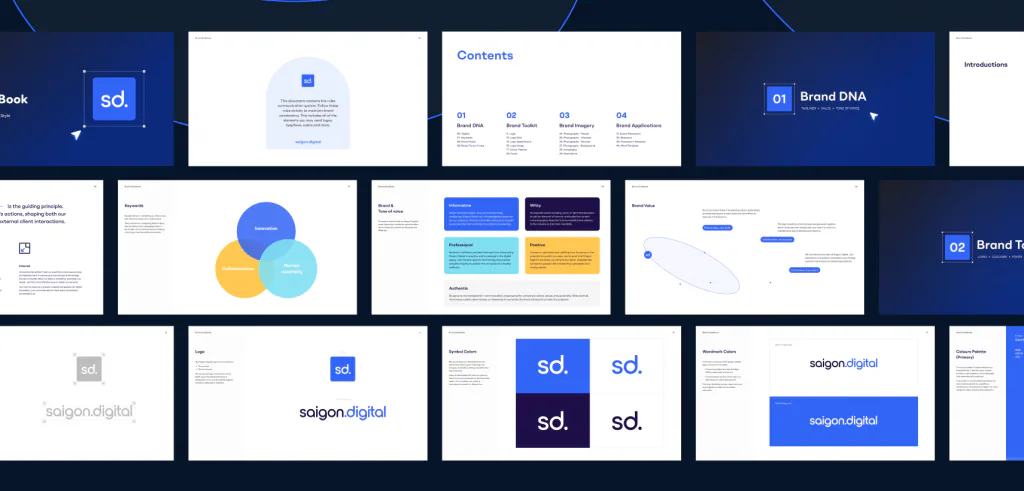
Brand guidelines are essential for ensuring consistent representation of a brand's identity, fostering recognisability and trust among consumers.
Key Elements of Brand Guidelines
1. Brand Story:
Start with your brand's story, the mission, vision, and values that drive your business. This narrative sets the tone for your entire brand and guides the emotional and psychological connection you wish to establish with your audience.
2. Logo Usage:
Detail how your logo should be used, including sizing, spacing, what not to do, and variations for different contexts. This ensures your logo is always displayed in a manner that maintains its integrity and recognisability.
3. Colour Palette:
Define your brand's colour scheme, including primary and secondary colours, with specific colour codes (e.g., RGB, CMYK, Pantone). Consistent use of colours enhances brand recall and helps in visually distinguishing your brand from competitors.
4. Typography:
Specify the typefaces that embody your brand's character, including guidelines for their use in different contexts (e.g., headings, body text). Consistent typography aids in maintaining a cohesive look and feel across all communications.
5. Imagery Style:
Outline the style of photography, illustrations, and other visual elements that complement your brand's personality. This creates a visual language that enhances your brand's narrative.
6. Voice and Tone:
Articulate the voice and tone of your brand's written communications. Whether professional, friendly, or quirky, the way your brand 'speaks' plays a crucial role in how it's perceived.
Implementing Your Brand Guidelines
Creating your guidelines is only the first step. The real success lies in their implementation. Make your brand guidelines accessible to everyone who works on your brand, and ensure they are followed meticulously. Regularly review and update your guidelines to keep pace with the evolving nature of your brand and market trends.
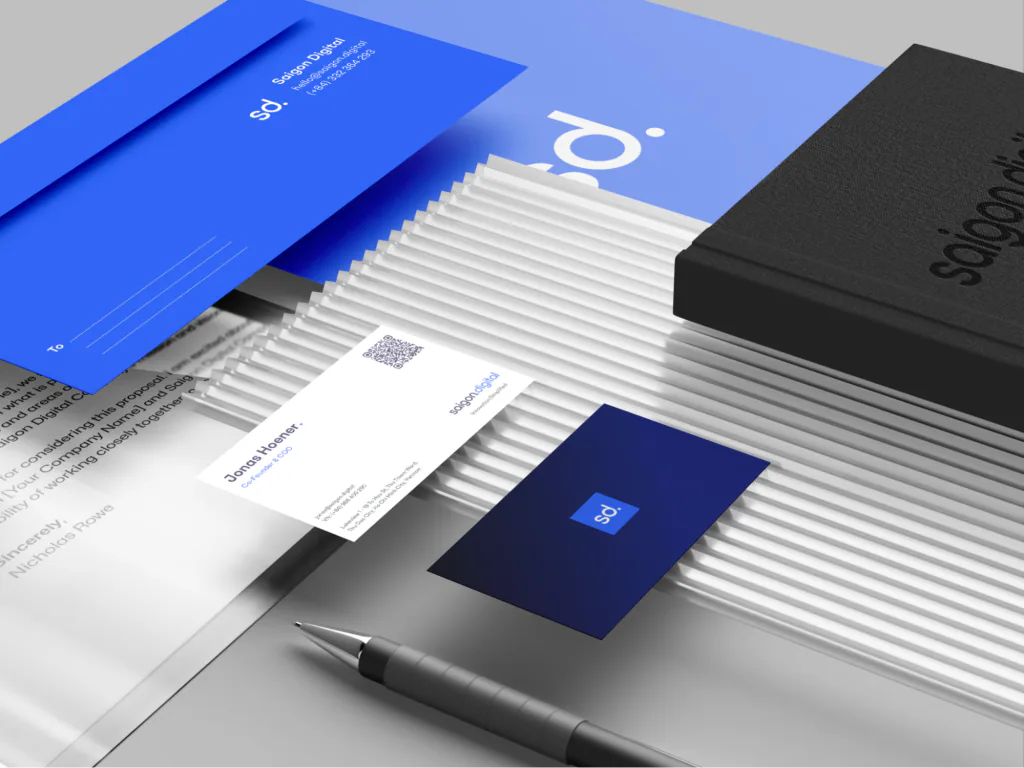
Saigon Digital's brand guidelines_ ensure consistency in every detail, from business cards to letterheads._
Conclusion: A Living Document for Your Brand’s Future
Brand guidelines are a living document, a foundation upon which your brand's identity is built and maintained. They ensure consistency, but they also allow for the evolution of your brand. As your brand grows and adapts, so too should your guidelines, always serving as a clear, comprehensive roadmap for your brand's future.
Crafting effective brand guidelines is a meticulous process that pays dividends in establishing a strong, coherent, and timeless brand identity. Let these guidelines from Saigon Digital be the beacon that guides your brand's visual and communicative efforts, paving the way for a future marked by clarity, consistency, and connection with your audience.
But don't stop there! For a truly comprehensive brand strategy, consider Saigon Digital's SEO services. We can help you ensure your brand identity shines not just in your visual communication, but also in online searches. Together, we can build a brand that resonates with your target audience and achieves lasting success. Contact us today!
Want to be the brand AI engines recommend?
We make businesses visible on Google and inside AI answers, measured in leads, not vanity metrics.