As algorithm updates become increasingly sophisticated, short-term tactics and manipulative techniques are being weeded out faster than ever. In 2025, white hat SEO stands not only as the ethical choice but also the smart, sustainable way to grow online visibility and organic traffic. At Saigon Digital, we believe in solving digital challenges with forward-thinking, user-centric, and bespoke solutions. That’s why we advocate for white hat SEO practices that prioritise user experience, content quality, and long-term growth.
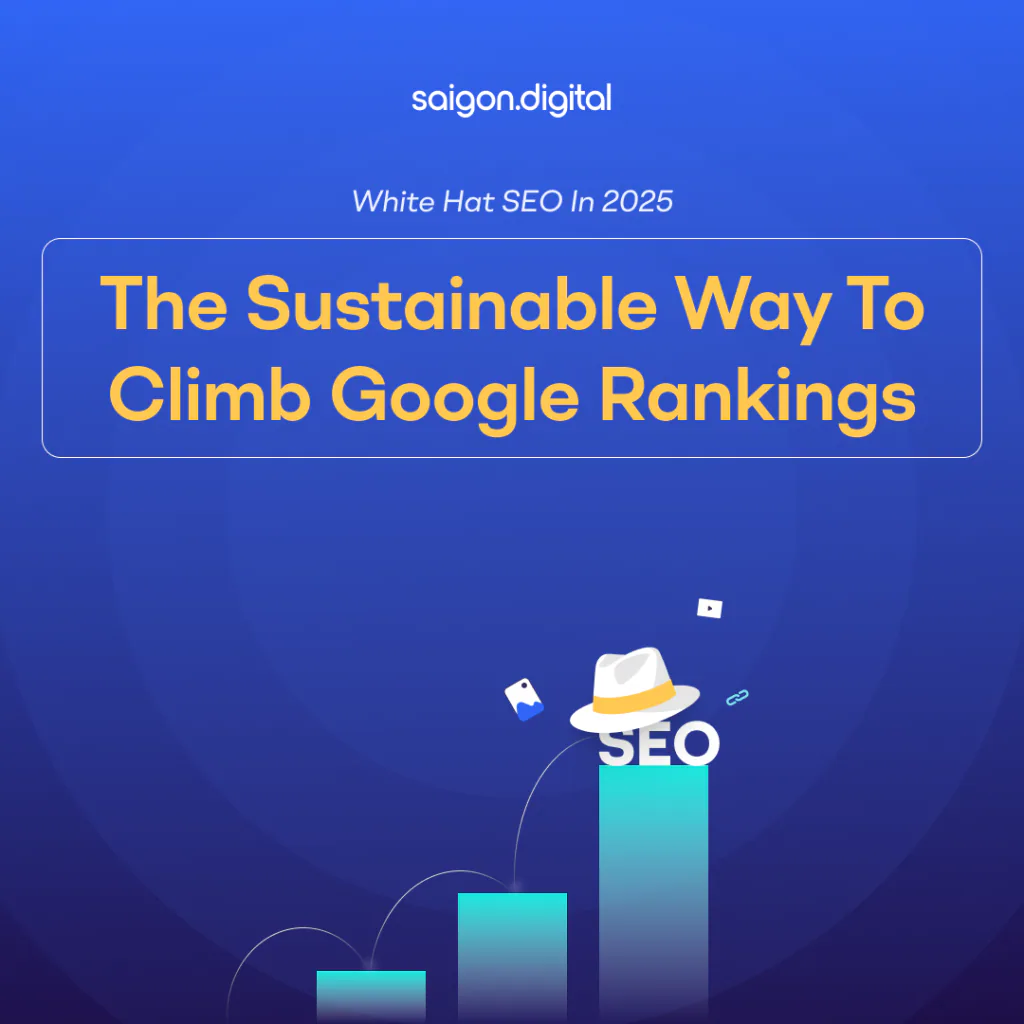
What Is White Hat SEO?
White hat SEO refers to optimisation techniques that follow Google’s guidelines and prioritise the user’s needs. It’s about earning traffic, not tricking algorithms. Common white hat strategies include:
- Publishing quality, relevant content
- Following proper on-page optimisation best practices
- Improving user experience (UX) and accessibility
- Earning backlinks naturally through value and credibility
- Ensuring site performance, mobile responsiveness, and security
In contrast, black hat SEO uses manipulative tactics like keyword stuffing, link farming, and cloaking, all of which can lead to penalties or deindexing. White hat SEO may require more effort upfront, but it builds durable authority, brand trust, and compounding traffic growth, which is exactly what Google wants in 2025 and beyond.
Why White Hat SEO Matters More Than Ever in 2025
With Google’s algorithms evolving rapidly and user expectations reaching new heights, ethical, value-driven optimisation is now essential for brands that want to thrive in organic search. Here's why staying true to white hat principles is not just the right choice but the most effective one.
Google’s Algorithms Are Smarter and Less Forgiving
With the rise of AI-powered updates like Google's Helpful Content System, search engines now assess more than just keywords and links, they evaluate content quality, intent alignment, and user satisfaction signals. Spammy tactics that may have worked five years ago are no longer viable. Even grey hat techniques now risk triggering manual actions or ranking suppression. Google wants authenticity and white hat SEO is how you deliver it.
User Expectations Are Rising
Users in 2025 demand fast, mobile-optimised , and helpful online experiences. They don’t just want answers, they want relevance, design clarity, and trustworthy sources. If your site frustrates users or fails to satisfy intent, they’ll bounce quickly and Google will notice. White hat SEO puts the user first. It ensures that technical structure, design, and content are optimised to support, not manipulate, the search journey.
Sustainable Rankings Outperform Temporary Wins
Quick wins from black hat tactics might spike traffic briefly, but they’re unstable and often followed by sharp declines or penalties. In contrast, white hat strategies build domain authority over time, improve engagement metrics, and unlock ongoing opportunities for growth. When your SEO is rooted in genuine value, your rankings are far more resilient to algorithm updates.
The Core Pillars of White Hat SEO in 2025
Let’s explore the essential elements of a sustainable, high-performing white hat SEO strategy this year.
User-Centred, Helpful Content
In 2025, Google is clearer than ever: content should be written for people, not search engines. What this means in practice:
- Write with expertise, clarity, and purpose.
- Focus on solving real problems, not chasing keywords.
- Avoid fluff, duplication, and misleading headlines.
- Use clear structure, scannable formatting, and rich media (like images or videos) to enhance readability.
At Saigon Digital, our content strategies start with user intent. We analyse what your audience is genuinely searching for and create bespoke content plans that address those needs in depth.
Ethical On-Page Optimisation
White hat on-page SEO is about enhancing accessibility and comprehension, not gaming the system. Key best practices include:
- Writing concise, unique title tags and meta descriptions
- Using semantic headers (H1, H2, H3) to organise content
- Optimising image alt text and file names
- Including internal links that aid navigation
- Ensuring URLs are clean, descriptive, and keyword-friendly
When done properly, these elements guide users and search engines, making your pages easier to discover, understand, and trust.
Clean, Crawlable Technical Foundations
No amount of great content will succeed if your technical SEO is broken. White hat technical optimisation ensures that your site is:
- Mobile-friendly across all devices
- HTTPS secure
- Fast-loading with optimised Core Web Vitals
- Free of broken links or redirect chains
- Structured with proper sitemap and robots.txt setup
In 2025, technical SEO is not just a hygiene factor, it’s a performance driver. Google uses site speed and UX metrics as ranking signals, making this an essential area of focus for sustainable SEO campaigns.
Genuine Link Earning, Not Link Schemes
Link building is often misunderstood. White hat SEO doesn’t buy backlinks, it earns them through credibility and content. Effective strategies include:
- Publishing original research, insights, or expert commentary
- Guest contributions on reputable industry websites
- Creating link-worthy assets such as infographics or how-to guides
- Building relationships with publishers, journalists, and niche communities
At Saigon Digital, we focus on digital PR and relationship-based outreach. The result? Natural, quality links that improve authority and reputation without the risk.
Consistent Tracking and Continuous Improvement
White hat SEO is not a one-off effort. It’s an iterative process based on data, testing, and refinement. Make sure you:
- Set up GA4 and Google Search Console properly
- Monitor key metrics like organic traffic, keyword positions, and engagement
- Run regular audits to catch issues early
- Adjust content and technical elements based on performance insights
By aligning with search engine updates and user behaviour trends, your SEO efforts stay relevant, resilient, and effective.
The Risks of Ignoring White Hat Practices
Still tempted by shortcuts? It’s worth noting the real risks of ignoring white hat SEO in 2025:
Algorithm Penalties that Drop Rankings Overnight
Search engines like Google are continuously refining their algorithms to detect manipulative or non-compliant SEO tactics. If your website is caught using black hat or grey hat techniques, such as link schemes, cloaking, or duplicate content, you risk receiving a manual action or algorithmic penalty. These penalties can result in a dramatic drop in rankings or complete removal from search results, often without warning. Recovering from such setbacks can take months and significantly impact traffic, leads, and revenue.
Loss of Trust From Users
Users today are more savvy than ever. If your content appears stuffed with keywords, is filled with irrelevant backlinks, or leads to poor-quality pages, visitors are quick to lose trust. Spammy or deceptive tactics not only damage credibility but can also increase bounce rates and reduce engagement, both of which hurt your SEO performance. A user-first approach builds trust, while shortcuts send potential customers straight to your competitors.
Wasted Investment on Short-Lived Results
While black hat methods may deliver a temporary boost in rankings, they rarely translate into sustained success. The time, money, and resources spent chasing fast wins often go to waste once the tactics are uncovered or penalised. Businesses that rely on unsustainable SEO strategies may find themselves constantly rebuilding their visibility rather than compounding it. In contrast, white hat SEO builds a strong, lasting foundation that continues to pay off over time.
Brand Reputation Damage
A history of manipulative SEO can tarnish a brand’s reputation, not just with search engines, but with real customers and industry peers. If your site is deindexed or flagged for poor practices, it can become difficult to regain trust or attract legitimate backlinks in the future. Worse still, negative associations can persist long after the tactics have been corrected. White hat SEO protects your brand’s integrity and ensures your digital presence reflects the values and professionalism of your business. With competition growing and Google tightening its guidelines, playing by the rules is not just ethical.
Partnering with an Agency That Prioritises Sustainability
At Saigon Digital , we don’t just chase rankings, we help brands build sustainable search visibility through user-focused, white hat SEO strategies. Our team blends deep technical knowledge with creative content strategy, backed by a performance-first mindset.
White Hat SEO Is the Long Game Worth Playing
In 2025, white hat SEO isn’t just the safe route, it’s the smart one. It builds trust, authority, and long-term visibility in a way that survives algorithm changes and meets evolving user expectations. If you’re ready to invest in real, sustainable growth, we’re here to help. Let’s build something search engines and your audience will love. Contact Saigon Digital today to get started with a future-ready SEO strategy that delivers results the right way.
Want to be the brand AI engines recommend?
We make businesses visible on Google and inside AI answers, measured in leads, not vanity metrics.