In today’s digital-first housing market, buyers begin their property search not at estate agents’ offices but online. Whether they’re searching for “luxury villas in Ho Chi Minh City” or “first-time buyer flats in London,” your visibility in search results plays a decisive role in whether they find, and trust, your listings. That’s where real estate SEO comes in. With Google’s search algorithms becoming more sophisticated, and user expectations growing sharper, estate agencies and property platforms must now go beyond the basics. To stand out and attract qualified buyers, those ready to engage or convert, you need a tailored SEO strategy that speaks directly to their intent in 2025. Here are the top 10 real estate SEO strategies that will help your brand rank higher, attract serious buyers, and gain a competitive edge in the year ahead.

1. Target Long-Tail and Localised Search Terms
Generic keywords like “homes for sale” are far too competitive and vague. Instead, focus on long-tail keywords that mirror how real buyers search: “3-bedroom family homes in District 2” or “pet-friendly apartments near Hanoi CBD.” These terms are less competitive and signal high search intent . Localised SEO also matters more than ever in 2025. Incorporate suburbs, neighbourhood names, landmarks, and school catchments into your metadata, H1s, and body content. This signals strong location relevance and improves your chances of ranking in local map packs and regional queries.
2. Optimise Google Business Profile for Each Location
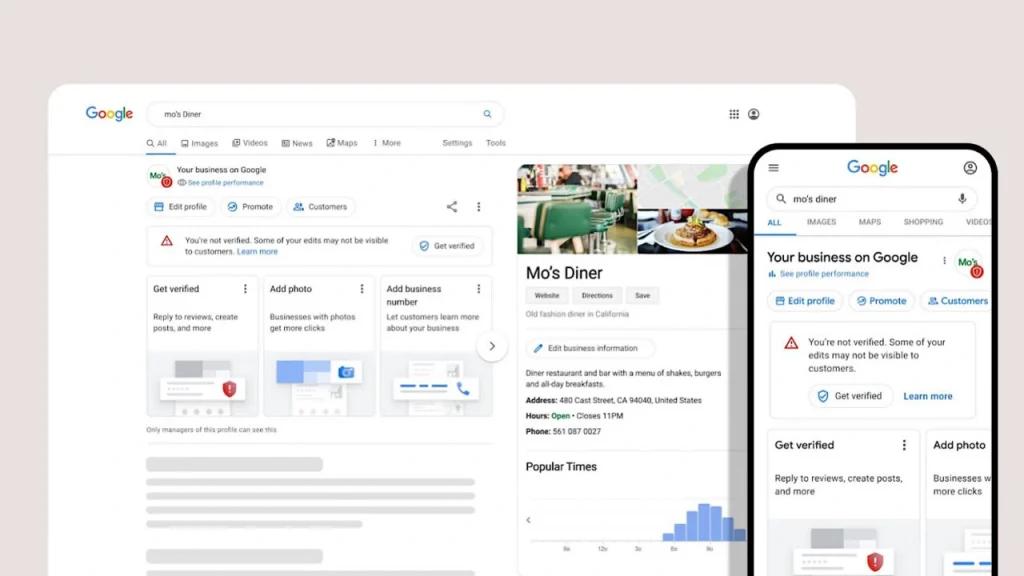
Your Google Business Profile (GBP) is often a buyer’s first point of contact, especially when searching for estate agents or developments nearby. Make sure each office or development you manage has a verified and optimised GBP. Include accurate NAP details (name, address, phone), upload quality photos of properties, respond to reviews, and regularly update business hours. In 2025, Google continues to favour active, consistent profiles in local rankings. It's an easy win that can significantly drive walk-ins, calls, and direction requests.
3. Develop Unique SEO-Friendly Property Listings
Duplicate listings are a major issue in real estate SEO. Many agencies pull from the same data feeds, resulting in identical content across dozens of sites. Google deprioritises this. Create original descriptions for your key properties, highlighting unique features, design elements, or location benefits. Include structured data (schema) for real estate, such as Property , Offer , and Place , to help Google understand and present your listings properly in rich results.
4. Invest in High-Performance Mobile UX
In 2025, mobile-first indexing is no longer new, in fact it’s one of top 7 SEO trends this year. Your real estate website must load fast, be easy to navigate on mobile, and allow users to search, filter, and contact agents without frustration. Use responsive design, compress large images, and eliminate unnecessary scripts. Property search should be intuitive, and enquiry forms should be short and mobile-friendly. A seamless mobile experience improves dwell time, lowers bounce rates, and helps Google recognise your site as high-quality.
5. Create Neighbourhood and Community Guides
Buyers don’t just want to know about a house, they want to know where they’ll live. Publishing local area guides for the suburbs, towns, and neighbourhoods you service is a powerful way to capture organic traffic from informational searches like “Best places to live in Da Nang” or “What’s it like to live in Fitzroy?” Include details on lifestyle, amenities, schools, public transport, and property trends. Not only do these pages boost your real estate SEO by targeting valuable long-tail queries, but they also build trust and engagement with prospective buyers.
6. Use Schema Markup to Enhance Listings and Pages
Structured data helps Google understand your content more precisely and display it with rich elements like price, availability, and ratings. For real estate, this means implementing schema markup on property pages, agent profiles, and review sections. Use types like RealEstateAgent , Residence , PostalAddress , and Offer where applicable. This can lead to better click-through rates, improved crawlability, and enhanced visibility in voice or AI-generated search results, an important development in 2025.
7. Build Local Backlinks and Partnerships
In SEO, backlinks still matter but in real estate, local relevance is everything. Focus on securing mentions and links from regional news outlets, local blogs, city directories, and chamber of commerce websites. Collaborate with mortgage brokers, conveyancers, interior designers, or lifestyle publications on content partnerships. Not only do these relationships build valuable backlinks, they also position your brand as an integral part of the local property ecosystem.
8. Leverage Video and Virtual Tour Content
With remote buyers and digital-first decision-making on the rise, video has become a key differentiator in real estate SEO. Create property walkthroughs, drone footage, or agent-led tours and embed them on listing pages and YouTube (optimised with relevant keywords, titles, and descriptions). Google prioritises mixed media in search results, especially when paired with structured metadata. Video content also improves time on site and engagement, two behavioural signals that influence rankings.
9. Target Featured Snippets and ‘People Also Ask’
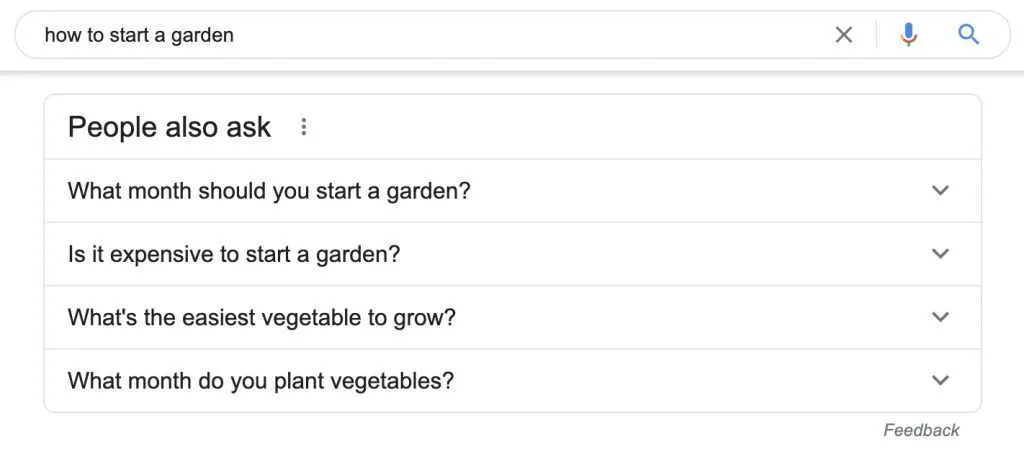
Many prospective buyers search in the form of questions: “How much deposit do I need to buy a flat in Vietnam?” or “Is it a good time to invest in property in 2025?” Creating content that directly answers these questions, clearly, concisely, and in bullet or paragraph format, can help you win featured snippets and show up in the People Also Ask boxes. These SERP features drive high visibility and brand credibility, even without top organic rankings.
10. Track, Test, and Refine with Real Data
SEO is never “set and forget”. Use Google Search Console, Google Analytics 4, and SEO tools like Semrush or Ahrefs to track which pages are ranking, which keywords are converting, and where users are dropping off. A/B test headlines, listing structures, and CTA placements. Monitor local search rankings across each suburb or city. In 2025, performance data is your compass and your greatest advantage in continually attracting qualified buyers.
SEO That Sells, Not Just Ranks
Real estate SEO isn’t about chasing traffic for the sake of it. It’s about attracting the right buyers, people who are searching with real intent to inquire, view, or purchase. With the right strategy, optimised for both Google’s evolving algorithms and your users' journey, your site can become the go-to resource for property seekers in your market. At Saigon Digital , we combine SEO expertise with an understanding of the real estate landscape, delivering bespoke solutions that align with how buyers search, behave, and convert in 2025. Whether you’re a boutique agency or a regional property developer, we’re here to help you rank smarter and sell better. Looking to grow your real estate presence online? Contact us today for forward-thinking SEO strategies that connect you with qualified buyers both locally and globally.
Want to be the brand AI engines recommend?
We make businesses visible on Google and inside AI answers, measured in leads, not vanity metrics.