



In today’s search landscape, traditional keyword research alone is no longer enough. Search behaviour is evolving rapidly, shaped by AI search engines, conversational queries, and increasingly sophisticated algorithms. For brands in competitive sectors such as F&B, retail, education, and hospitality, the ability to uncover high-impact keywords efficiently can make the difference between visibility and obscurity.
This is where AI becomes a powerful advantage.
In this guide, we will walk you through how to use AI to conduct keyword research for SEO, step by step. You will learn how to combine human strategy with AI capabilities to uncover meaningful search opportunities, prioritise effectively, and drive measurable growth.
Why Use AI for Keyword Research?
Before diving into the process, it’s important to understand why AI is transforming keyword research:
- Speed and scale: AI can generate thousands of keyword ideas within seconds, significantly reducing the time required for research. What would traditionally take hours, or even days, can now be achieved in minutes.
- Search intent understanding: Unlike traditional tools that focus heavily on exact-match keywords, AI is capable of interpreting context and meaning. It understands how different phrases relate to user intent, whether informational, commercial, or transactional.
- Trend identification: AI can analyse large datasets and detect emerging search trends earlier than conventional methods. This is particularly valuable in fast-moving industries such as retail or hospitality, where consumer preferences can shift quickly.
- Content alignment: AI bridges the gap between keyword research and content strategy. It helps map keywords to specific topics, user needs, and stages of the customer journey.
Rather than replacing SEO expertise, AI enhances it, allowing your team to focus on strategy, creativity, and execution.
Step 1: Define Your Business Goals and Audience
Before using AI tools, you need a clear strategic foundation. Without it, even the most advanced AI will produce generic or irrelevant keyword ideas. This step ensures that every keyword you generate directly supports business outcomes and speaks to the right audience.
What Are Your Business Objectives?
Start by defining exactly what success looks like for your business. SEO should never exist in isolation, it must contribute to measurable outcomes such as revenue, bookings, or qualified leads.
For instance, if you operate in hospitality, your goal may be to increase direct bookings through your website rather than relying on third-party platforms. In this case, your keyword strategy should prioritise transactional and location-based searches such as “book boutique hotel in District 1” rather than purely informational queries.

Similarly, a retail brand might aim to grow online sales by 20% over the next quarter. This goal would influence you to target product-specific and purchase-intent keywords like “buy sustainable fashion Vietnam” or “affordable activewear online”.
To make this actionable, quantify your objectives. For example, if your website currently receives 10,000 monthly visitors with a 2% conversion rate, that results in 200 conversions. If your goal is to increase conversions by 50%, you need either:
- More traffic (e.g. increasing to 15,000 visitors),
- Better conversion rates (e.g. improving to 3%),
- Or a combination of both.
This clarity helps AI generate keywords that are not only relevant but commercially valuable.
Who Is Your Target Audience?
Once your goals are defined, shift your focus to the people you want to reach. AI performs significantly better when it understands who the content is for.
Begin by identifying key audience segments. For example:
- An F&B brand may target tourists, expatriates, and local professionals
- An education provider may focus on students, working adults, or corporate clients
- A retail business may segment by age, income level, or shopping behaviour
Next, go deeper into their motivations and challenges. Ask:
- What problems are they trying to solve?
- What influences their purchasing decisions?
- What language do they naturally use when searching online?
For example, a tourist searching for dining options may use phrases like “best Vietnamese food near me”, whereas a local professional may search for “quiet café for meetings in District 1”. These nuances are critical when prompting AI tools.
When you input this level of detail into AI, such as “generate keywords for young professionals looking for premium co-working cafés in Ho Chi Minh City”, you will receive far more precise and useful results compared to broad, generic prompts.
What Problems Are They Trying to Solve?
Effective keyword research goes beyond products or services, it focuses on user intent. Every search query represents a problem, need, or desire.

To uncover this, map your audience’s journey from awareness to decision-making. For example, in the hospitality sector:
- At the awareness stage, a user might search “best areas to stay in Ho Chi Minh City”
- During consideration, they may look for “top boutique hotels in District 1”
- At the decision stage, they search “book boutique hotel near Ben Thanh Market”
Each stage represents a different type of keyword and requires different content.
AI can help you expand these problem-based queries, but you must first define them clearly. Try framing prompts like:
- “What questions do tourists ask before booking a hotel in Vietnam?”
- “What concerns do parents have when choosing an English learning centre?”
This approach ensures your keyword strategy aligns with real user needs rather than assumptions.
Ultimately, when you clearly define problems, AI becomes significantly more effective at identifying high-intent keywords that drive conversions, not just traffic.
Step 2: Generate Seed Keywords Using AI
Once you have clearly defined your business objectives, target audience, and their underlying needs in Step 1, you are now in a strong position to begin generating seed keywords. This sequence is important. Without the clarity established in the previous step, AI tools tend to produce broad, unfocused keyword suggestions that may drive traffic but not meaningful business results. By contrast, when you feed AI with well-defined context, it becomes significantly more precise, strategic, and commercially relevant.
Start With Focused Inputs
Seed keywords are the foundation of your entire keyword research process. They are not meant to be exhaustive; rather, they act as starting points that AI can expand into a much broader and richer keyword set.
At this stage, your goal is to translate your business goals and audience insights into a small group of core terms. For example, if you are a hospitality brand aiming to increase direct bookings from international travellers, your seed keywords might include phrases such as “boutique hotel Ho Chi Minh City”, “luxury stay District 1”, or “hotel near Ben Thanh Market”.

The key here is specificity. Instead of entering a generic term like “hotel”, you should incorporate the context you developed earlier. This ensures that AI generates keyword suggestions aligned with your actual target market rather than irrelevant global queries.
A practical way to approach this is to combine three elements into your seed inputs: your service or product, your audience, and your location or niche. When these elements are clearly defined, AI can produce far more targeted outputs.
Use Structured Prompts to Guide AI Effectively
AI tools perform best when given clear and structured instructions. Rather than asking vague questions, you should craft prompts that reflect your strategic thinking from Step 1.
For instance, instead of prompting “give me SEO keywords for restaurants”, you could refine it to: “Generate SEO keyword ideas for a Vietnamese restaurant in Ho Chi Minh City targeting international tourists looking for authentic local cuisine.”
This level of detail helps AI understand intent, audience, and context simultaneously. As a result, it will generate more nuanced keyword variations, including long-tail phrases and intent-driven queries.
You can also experiment with different prompt angles to uncover diverse keyword sets. For example, you might ask AI to:
- Generate keywords based on customer pain points
- Suggest search queries for different stages of the buying journey
- Provide keyword variations for mobile or voice search
Each variation reveals a different layer of opportunity, allowing you to build a more comprehensive keyword base.
Expand Into Variations and Long-Tail Keywords
Once your initial seed keywords are generated, AI can quickly expand them into multiple variations. This is where its real strength becomes evident.
For example, a seed keyword like “English course Ho Chi Minh City” can evolve into:
- “best English courses for working professionals in Ho Chi Minh City”
- “intensive English classes for beginners Vietnam”
- “online English learning for business communication”
These longer, more specific phrases are known as long-tail keywords. While they typically have lower search volume, they often carry higher intent and conversion potential. For businesses in sectors such as education or retail, this can translate into more qualified leads rather than just increased traffic.
Moreover, AI can generate question-based queries that reflect real user behaviour. Searches are increasingly conversational, particularly with the rise of voice search and AI assistants. Capturing these natural language queries early gives you a competitive advantage.
Refine and Filter for Relevance
Although AI can produce a large volume of keyword ideas, not all of them will be relevant to your business. This is where your strategic judgement becomes essential.
Review the generated keywords and ask:
- Does this align with our business objectives?
- Is this relevant to our target audience?
- Does this reflect a realistic opportunity for our brand?
For example, a retail brand focused on premium products should avoid keywords that signal bargain-hunting behaviour, even if they have high search volume. Similarly, a local F&B business should prioritise location-specific queries over broad, global terms.
At this stage, it is helpful to narrow your list down to a manageable set of high-potential keywords. Think of this as quality over quantity. A focused keyword set will make the next steps, such as intent classification and clustering, far more effective.
Step 3: Expand Keywords by Search Intent
After generating a refined list of seed keywords in Step 2, the next step is to deepen your strategy by organising and expanding those keywords based on search intent. This step builds directly on your earlier work. While Step 2 focuses on what people are searching for, Step 3 focuses on why they are searching.

This distinction is critical. Without understanding intent, even well-selected keywords may fail to convert. By layering intent into your keyword research, you ensure that your content not only attracts visitors but also guides them towards meaningful actions.
Understand the Four Core Types of Search Intent
To effectively expand your keywords, you first need to classify them into four main categories of search intent. Each type reflects a different stage in the customer journey.
- Informational intent refers to users who are seeking knowledge or answers. For example, a traveller might search “best time to visit Ho Chi Minh City” or “how to choose a boutique hotel”. These queries are typically broader and are best suited for blog content or guides.
- Navigational intent occurs when users are looking for a specific brand or website. For instance, searches such as “Saigon Digital SEO services” or “ABC International School website” indicate that the user already knows where they want to go.
- Commercial investigation sits between research and decision-making. Users are comparing options and evaluating alternatives. Examples include “best SEO agency in Vietnam” or “top cafés for remote work in District 1”. These keywords are highly valuable as they signal strong interest.
- Transactional intent reflects users who are ready to take action. Searches like “book hotel in District 1”, “buy organic skincare Vietnam”, or “enrol in English course Ho Chi Minh City” indicate high conversion potential.
By clearly distinguishing these categories, you can begin to see how different keywords serve different purposes within your overall strategy.
Use AI to Classify and Expand Intent-Based Keywords
Once you understand the intent categories, you can use AI to organise your existing keyword list and generate additional variations within each group.
For example, you might prompt AI with: “Classify these keywords by search intent and suggest additional variations for each category.”
AI can then:
- Group your keywords into the four intent types
- Suggest new keyword ideas aligned with each intent
- Identify gaps where you may be missing opportunities
This is particularly valuable for businesses in competitive industries. For instance, a retail brand may already target transactional keywords like “buy running shoes online”, but AI might reveal missed informational opportunities such as “how to choose the right running shoes”, which can attract users earlier in the journey.
Similarly, a hospitality brand might discover that while they rank for booking-related queries, they lack visibility in consideration-stage searches like “best areas to stay in Ho Chi Minh City”.
Align Keywords With the Customer Journey
With your keywords grouped by intent, the next step is to map them to the customer journey. This ensures that your SEO strategy supports users at every stage, from discovery to conversion.

Think of it as a funnel:
- At the top, informational keywords attract a broad audience
- In the middle, commercial investigation keywords help users compare options
- At the bottom, transactional keywords drive conversions
For example, an education provider might structure their content as follows:
- Informational: “benefits of learning English for career growth”
- Commercial: “best English centres in Ho Chi Minh City”
- Transactional: “register for English course in District 3”
By covering each stage, you create a seamless path that moves users from awareness to action. AI can assist by suggesting content ideas that naturally connect these stages, improving both engagement and conversion rates.
Prioritise Impactful Intent Combinations
Not all keywords are equally valuable, even within the same intent category. This is where strategic prioritisation becomes important.
Focus on keywords that:
- Align closely with your business goals defined in Step 1
- Reflect strong user intent, particularly commercial and transactional
- Offer realistic ranking opportunities based on competition
For example, a hospitality business may find that “luxury hotel Vietnam” is highly competitive and broad, whereas “luxury boutique hotel District 1 with rooftop pool” is more specific, less competitive, and closer to conversion.
AI can support this process by highlighting patterns in keyword data, but your judgement ensures that the final selection aligns with your brand positioning and capabilities.
Step 4: Identify Long-Tail and Conversational Keywords
After organising your keyword list by search intent in Step 3, the next step is to refine your strategy further by focusing on long-tail and conversational keywords. This stage builds naturally on the previous one. While Step 3 helps you understand why users search, Step 4 sharpens how they express those searches, particularly in more natural, detailed, and specific ways.
This shift is essential in today’s landscape, where users increasingly interact with search engines and AI platforms using full questions, voice commands, and conversational language. By identifying these patterns early, you position your brand to capture highly relevant, high-intent traffic.
Understand What Makes Long-Tail Keywords Valuable
Long-tail keywords are longer, more specific phrases that typically reflect a clearer user need. Unlike broad keywords, they often include qualifiers such as location, preferences, or context.

For example, instead of targeting a generic keyword like “café”, a long-tail variation would be “quiet café in District 1 with Wi-Fi for remote work”. Although this phrase may have lower search volume, it is far more targeted and likely to convert.
The value of long-tail keywords lies in three key advantages. First, they tend to have lower competition, making them easier to rank for, especially important for growing brands. Second, they demonstrate stronger intent, as users are closer to making a decision. Third, they align more closely with real user language, which improves relevance in both traditional and AI-driven search environments.
For businesses in sectors such as F&B or hospitality, this can translate into attracting customers who are ready to visit, book, or purchase, not just browse.
Leverage AI to Uncover Natural, Conversational Queries
With a clear understanding of intent from Step 3, you can now use AI to expand your keywords into more natural, conversational forms.
Rather than simply extending keywords mechanically, AI can simulate how real users phrase their searches. For instance, you might prompt:“Generate conversational search queries for tourists looking for authentic Vietnamese dining experiences in Ho Chi Minh City.”
The output may include queries such as:
- “Where can I find authentic Vietnamese food in District 1?”
- “What are the best local restaurants near Ben Thanh Market?”
- “Which Vietnamese dishes should I try in Ho Chi Minh City?”
These queries reflect how people actually speak and search, particularly when using voice assistants or AI platforms. By incorporating them into your keyword strategy, you ensure your content feels more aligned with user behaviour.
Additionally, conversational queries often reveal underlying concerns or preferences, such as price, convenience, or quality. This insight can guide not only your SEO strategy but also your broader messaging.
Focus on Question-Based and Problem-Solving Keywords
A significant portion of conversational search is driven by questions. These question-based queries are especially valuable because they map directly to user intent and can be addressed clearly through content.

Building on your earlier work in identifying customer problems (from Step 1), you can now ask AI to generate:
- Frequently asked questions within your industry
- Pre-purchase concerns
- Comparisons and decision-making queries
For example, an education provider might uncover:
- “How long does it take to become fluent in English?”
- “Which English course is best for working professionals?”
Meanwhile, a retail brand might identify:
- “How to choose the right size for running shoes?”
- “What is the difference between organic and regular skincare products?”
These queries provide direct opportunities to create helpful, targeted content that builds trust and authority while naturally incorporating relevant keywords.
Balance Volume with Intent and Practicality
While long-tail keywords are highly valuable, it is important to evaluate them strategically rather than pursuing every variation.
At this stage, consider three factors:
- Relevance: Does the keyword align with your offering and audience?
- Intent strength: Does it indicate a clear need or action?
- Practicality: Can you realistically create content that addresses this query effectively?
For example, a keyword like “best luxury rooftop bar in District 1 with sunset view” may have modest search volume, but it reflects a very specific and actionable intent. For a hospitality brand, this could lead directly to bookings or visits.
AI can generate hundreds of such variations, but your role is to prioritise those that balance specificity with business impact.
Integrate Long-Tail Keywords Into Your Broader Strategy
Long-tail and conversational keywords should not exist in isolation. Instead, they should support the keyword clusters and intent framework developed in earlier steps.
For instance, a broader topic like “boutique hotels in Ho Chi Minh City” (identified in Step 2) and refined by intent (Step 3) can now be supported by long-tail content such as:
- “best boutique hotels in District 1 for couples”
- “affordable boutique hotels near Ben Thanh Market”
- “what to expect from a boutique hotel in Vietnam”
This layered approach strengthens your overall SEO performance by:
- Covering a wider range of search queries
- Improving topical authority
- Enhancing internal linking opportunities
AI can assist in mapping these relationships, ensuring that each long-tail keyword contributes to a cohesive and scalable content strategy.
Step 5: Analyse Keyword Difficulty and Opportunity
After identifying long-tail and conversational keywords in Step 4, you now have a rich and highly targeted keyword set. However, not every keyword is worth pursuing. The next step is to evaluate which opportunities are both realistic and commercially valuable. This is where analysing keyword difficulty and opportunity becomes essential.
This step builds directly on your earlier work. While previous steps focused on generating and refining keywords, Step 5 ensures that your efforts are prioritised effectively, so your resources are invested where they can deliver the greatest return.
Understand What Keyword Difficulty Really Means
Keyword difficulty is often presented as a numerical score in SEO tools, typically indicating how hard it is to rank on the first page of search results. While this metric is useful, it should not be taken at face value.
In reality, keyword difficulty is influenced by several factors:
- The authority of competing websites
- The quality and depth of existing content
- The strength of backlink profiles
- Search intent alignment
For example, a keyword like “hotel in Ho Chi Minh City” may have very high difficulty due to global competition from major booking platforms. On the other hand, a more specific query such as “boutique hotel in District 1 with rooftop pool” may present a more achievable opportunity, even if its search volume is lower.
AI tools can help estimate difficulty, but your role is to interpret these signals in context. A keyword is not “difficult” in isolation, it is difficult relative to your current capabilities and positioning.
Evaluate Opportunity Beyond Search Volume
One of the most common mistakes in keyword research is prioritising search volume over relevance and intent. High-volume keywords may look attractive, but they often come with intense competition and lower conversion rates.
Instead, focus on keyword opportunity, which combines multiple factors:
- Relevance to your business goals (from Step 1)
- Strength of user intent (from Step 3)
- Specificity and clarity (from Step 4)
- Competitive landscape
For instance, a retail brand might compare:
- “running shoes” (high volume, high competition, unclear intent)
- “buy running shoes for flat feet online Vietnam” (lower volume, higher intent, clearer opportunity)
Even if the second keyword attracts fewer searches, it is far more likely to generate conversions. When scaled across multiple long-tail keywords, these opportunities can collectively outperform broader terms.
Use AI to Benchmark Competitors and Uncover Gaps
AI can significantly accelerate competitive analysis by helping you understand who you are competing against and where opportunities exist.

You can prompt AI to:
- Analyse the top-ranking pages for a given keyword
- Identify common content themes and gaps
- Suggest ways to differentiate your content
For example, if most top-ranking pages for a hospitality keyword focus on generic lists, AI may highlight an opportunity to create more detailed, experience-driven content, such as guides tailored to specific traveller types.
Additionally, AI can help you identify keyword gaps, queries your competitors are targeting but you are not. This insight is particularly valuable for businesses in competitive sectors like education or retail, where differentiation is key.
By combining AI insights with your own understanding of your brand, you can uncover opportunities that are both achievable and strategically aligned.
Prioritise Keywords Using a Simple Scoring Approach
To make this step actionable, it is helpful to introduce a simple prioritisation framework. Rather than relying on a single metric, evaluate each keyword across three dimensions:
- Business relevance: How closely does this keyword align with your offerings and goals?
- Ranking feasibility: Do you have a realistic chance of competing based on your current website authority and content quality?
- Conversion potential: Does the keyword indicate strong intent to take action?
You can assign a score (for example, from 1 to 5) for each dimension and calculate a total score. A keyword scoring 13–15 would be a prioritised target, while one scoring below 8 may not be worth immediate focus.
This structured approach helps you move from instinct-based decisions to data-informed prioritisation, while still allowing room for strategic judgement.
Balance Short-Term Wins With Long-Term Growth
An effective keyword strategy should include a mix of:
- Quick wins: Lower-difficulty, high-intent keywords that can drive immediate results
- Long-term targets: More competitive keywords that build authority over time
For example, a new hospitality brand may initially focus on niche, location-specific queries to gain traction. As their authority grows, they can gradually target broader, more competitive keywords.
AI can support this by forecasting trends and suggesting when to expand into more competitive areas. However, it is important to maintain a balanced portfolio rather than focusing exclusively on either extreme.
Step 6: Cluster Keywords into Topics
After prioritising your keywords based on difficulty and opportunity in Step 5, the next step is to organise them into structured topic clusters. This is where your keyword research evolves into a scalable SEO strategy.
This step builds directly on your previous work. While Step 5 helps you decide which keywords to target, Step 6 determines how to structure them in a way that maximises visibility, authority, and user experience. Rather than treating each keyword as a separate target, you begin to group related terms into cohesive themes that search engines can better understand.
Understand Why Keyword Clustering Matters
Search engines have become significantly more sophisticated. They no longer rank pages based solely on individual keywords but instead evaluate how well your content covers a broader topic.

This means that creating one page per keyword is no longer effective. Instead, you should aim to build topic authority, demonstrating that your website provides comprehensive, quality coverage of a subject.
For example, instead of creating separate pages for:
- “boutique hotel Ho Chi Minh City”
- “luxury boutique hotel District 1”
- “best boutique hotels near Ben Thanh Market”
You would group these into a single topic cluster focused on boutique hotels in Ho Chi Minh City, supported by related content that addresses different variations and user intents.
This approach improves your chances of ranking for multiple keywords simultaneously, while also creating a more logical and valuable experience for users.
Use AI to Group Keywords Into Meaningful Themes
With a refined keyword list from earlier steps, you can now use AI to identify patterns and group related keywords into clusters.
A useful prompt might be: “Group these keywords into topic clusters based on similarity, search intent, and user needs.”
AI will analyse relationships between keywords and organise them into themes such as:
- Location-based searches
- Service-specific queries
- Audience-focused topics
- Problem-solving content
For example, an education provider may see clusters like:
- “English courses for beginners”
- “Business English for professionals”
- “Online English learning options”
Each cluster represents a distinct content opportunity. AI can also highlight overlaps or redundancies, helping you avoid creating duplicate or competing pages.
Structure Clusters Using the Pillar-and-Support Model
Once your clusters are defined, the next step is to structure them using a pillar-and-support (or hub-and-spoke) model.
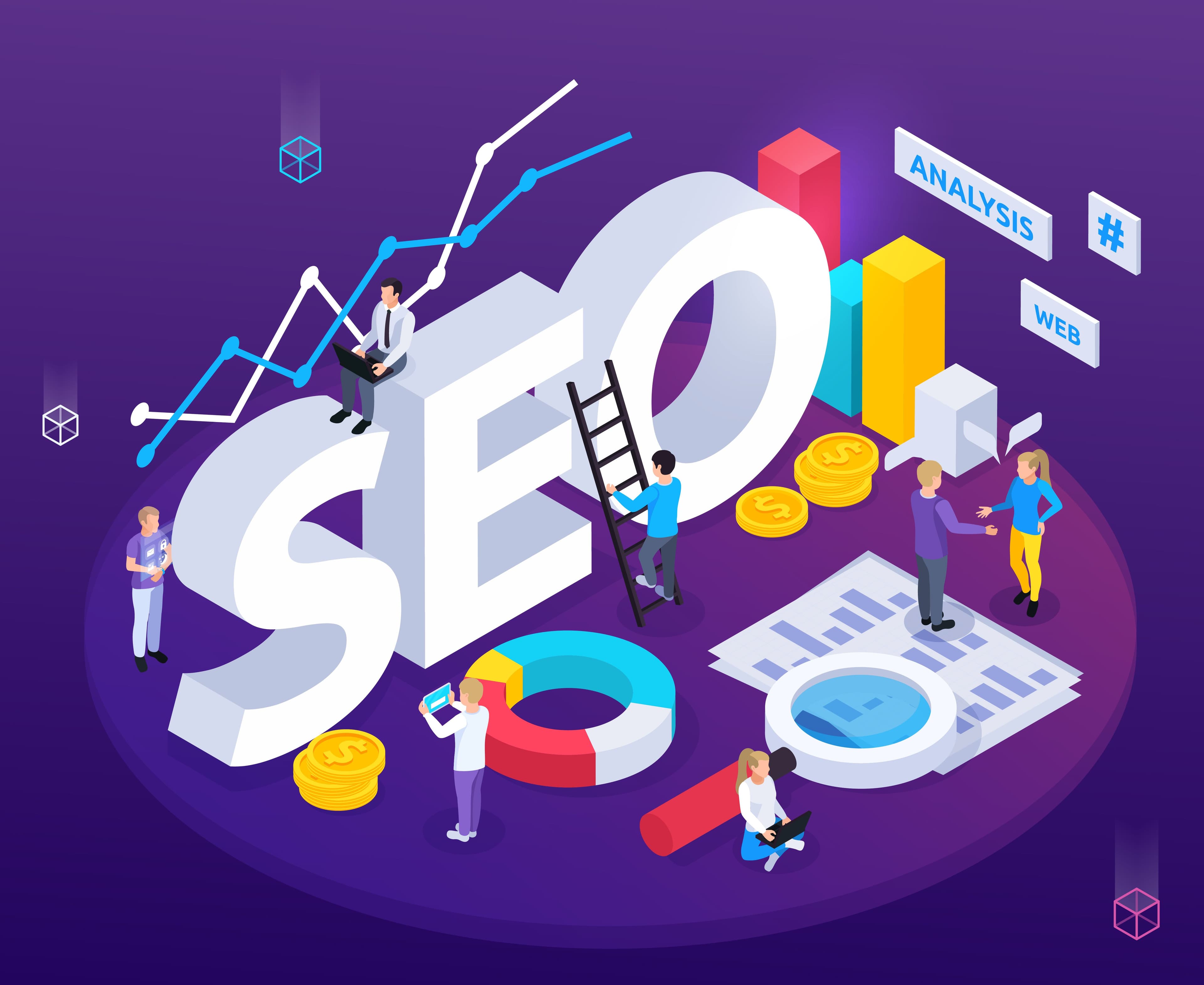
A pillar page serves as the central, comprehensive resource for a broad topic. It targets a primary keyword and provides an overview of the subject.
Supporting pages, on the other hand, focus on more specific long-tail keywords and link back to the pillar page. This creates a network of related content that reinforces your authority.
For example, in the hospitality sector:
- Pillar page: “Guide to Boutique Hotels in Ho Chi Minh City”
- Supporting pages:
- “Best Boutique Hotels in District 1 for Couples”
- “Affordable Boutique Hotels Near Ben Thanh Market”
- “What to Expect from a Boutique Hotel Experience in Vietnam”
This structure not only improves SEO performance but also enhances navigation, making it easier for users to find relevant information.
Align Clusters With Search Intent and Business Goals
While clustering is based on keyword similarity, it must also reflect the intent framework developed in Step 3 and the objectives defined in Step 1.
Each cluster should:
- Address a specific stage of the customer journey
- Align with a clear business goal (e.g. awareness, lead generation, conversion)
- Provide meaningful value to your target audience
For instance, a retail brand may create separate clusters for:
- Informational content (“how to choose sustainable clothing”)
- Commercial comparison (“best eco-friendly fashion brands in Vietnam”)
- Transactional pages (“buy sustainable clothing online Vietnam”)
By aligning clusters with both intent and objectives, you ensure that your content strategy remains focused and effective.
Avoid Keyword Cannibalisation and Duplication
One of the key benefits of clustering is that it helps prevent keyword cannibalisation, where multiple pages compete for the same or very similar keywords.
AI can assist by identifying overlapping keywords and suggesting consolidation. For example, if two keyword groups are highly similar, it may be more effective to combine them into a single, stronger page rather than splitting your authority.
This is particularly important for growing websites, where resources are limited and every page should serve a clear purpose.
By organising keywords into well-defined clusters, you ensure that each piece of content has a distinct role within your overall strategy.
Step 8: Optimise for AI-Driven Search (Beyond Google)
After mapping your keywords to a structured content strategy in Step 7, the next step is to ensure that your content is optimised not only for traditional search engines, but also for AI-driven search environments. This includes platforms that generate direct answers, summaries, and recommendations, fundamentally changing how users discover information.
This step builds on everything you have developed so far. While earlier steps focus on identifying and structuring keywords, Step 8 ensures that your content is interpretable, trustworthy, and retrievable by AI systems. In other words, it is not just about ranking, it is about being selected and cited.
Understand How AI-Driven Search Differs from Traditional SEO
Traditional SEO focuses on ranking web pages in search engine results. Users click through links, compare options, and navigate websites.
AI-driven search, however, often removes this step. Platforms now:
- Summarise information into direct answers
- Combine insights from multiple sources
- Recommend brands or services within responses
This means your content must be optimised for visibility within answers, not just rankings on a page.
For example, instead of a user clicking on multiple hotel websites, an AI platform may generate a curated recommendation such as: “Here are the best boutique hotels in District 1 with rooftop pools…”
If your content is well-structured and authoritative, it has a higher chance of being included in that response. If not, it may be overlooked entirely, even if it ranks well in traditional search.
Structure Content for Clarity and Extractability
AI systems prioritise content that is easy to understand and extract. This means your content should be structured in a way that allows key information to be quickly identified.
To achieve this, focus on:
- Clear headings and subheadings that reflect search intent
- Concise, well-organised paragraphs
- Direct answers to common questions
- Logical content flow
For instance, if you are targeting a keyword such as “best cafés for remote work in Ho Chi Minh City”, your content should clearly outline:
- Criteria (Wi-Fi quality, seating, ambience)
- Specific recommendations
- Practical details (location, opening hours)
AI can then easily extract and summarise this information.
Building on your keyword clusters from Step 6, ensure each piece of content delivers a complete and structured response to the topic it covers.
Optimise for Answer-Based and Conversational Queries
As discussed in Step 4, users are increasingly searching in conversational ways. AI-driven platforms are designed to respond directly to these queries.
To align with this behaviour, your content should:
- Address specific questions clearly and directly
- Use natural, human language
- Anticipate follow-up questions
For example, rather than simply listing services, an SEO agency page could include sections like:
- “What should you expect from an SEO agency?”
- “How long does SEO take to deliver results?”
These formats make it easier for AI systems to identify and extract relevant answers.
AI tools can assist by generating question-based content structures, but your role is to ensure accuracy, clarity, and alignment with your brand voice.
Build Authority and Trust Signals
AI platforms prioritise content that appears credible, authoritative, and trustworthy. This goes beyond keywords and structure, it requires a strong foundation of quality and expertise.
Key factors include:
- Depth and accuracy of content
- Consistent topical authority (from your clusters in Step 6)
- Clear brand positioning and expertise
- Supporting elements such as data, examples, and insights
For example, a hospitality brand that consistently publishes high-quality guides on travel in Vietnam is more likely to be recognised as a trusted source than one with scattered, inconsistent content.
This is where your earlier steps come together. By targeting the right keywords, aligning with intent, and building structured clusters, you naturally strengthen your authority in the eyes of both search engines and AI systems.
Implement Technical Enhancements for AI Visibility
Beyond content, technical optimisation plays a key role in AI-driven search.
Ensure your website includes:
- Structured data (schema markup) to define content elements
- Clear metadata and page hierarchy
- Fast loading speeds and mobile optimisation
- Internal linking that reinforces topic relationships
For example, using schema markup to define reviews, FAQs, or business details helps AI systems better interpret your content.
While AI can suggest technical improvements, implementation requires a coordinated approach between SEO strategy and web development.
Step 9: Continuously Refine with AI Insights
After optimising your content for AI-driven search in Step 8, the final step is to ensure that your keyword strategy remains dynamic, data-driven, and continuously improving. SEO is not a one-time implementation—it is an ongoing process that evolves alongside user behaviour, market trends, and algorithm updates.
This step builds on everything you have established so far. While previous steps focus on building a strong foundation, Step 9 ensures that your strategy stays relevant and competitive over time. With AI, this refinement process becomes faster, more precise, and more actionable.
Monitor Performance Beyond Rankings
Traditionally, SEO performance has been measured by keyword rankings. While rankings are still important, they only tell part of the story.
To refine your strategy effectively, you should evaluate a broader set of performance indicators, such as:
- Organic traffic growth
- Click-through rates (CTR)
- Engagement metrics (time on page, bounce rate)
- Conversion rates (leads, bookings, purchases)
For example, a keyword may rank highly but generate low conversions. This could indicate a mismatch between search intent and content. Conversely, a lower-ranking long-tail keyword may drive strong conversions, making it more valuable to prioritise.
AI tools can help identify these patterns quickly by analysing large datasets and highlighting anomalies or trends that may not be immediately visible.
Use AI to Uncover New Keyword Opportunities
Search behaviour is constantly evolving, particularly in fast-moving industries such as retail, F&B, and education. New trends, seasonal shifts, and emerging topics can create fresh keyword opportunities.
AI can assist by:
- Detecting rising search queries
- Suggesting new long-tail variations
- Identifying emerging topics within your niche
For instance, a hospitality business may notice increasing interest in “eco-friendly hotels” or “remote work-friendly cafés”. By identifying these trends early, you can create content before the competition intensifies.
This proactive approach allows your brand to stay ahead rather than reacting after opportunities have already peaked.
Refresh and Optimise Existing Content
Not all improvements require creating new content. In many cases, updating and refining existing pages can deliver significant gains.
AI can help you:
- Identify underperforming content
- Suggest keyword enhancements
- Recommend structural improvements
- Highlight missing information or gaps
For example, a blog post targeting “best restaurants in Ho Chi Minh City” may benefit from:
- Adding new recommendations
- Updating outdated information
- Incorporating newly identified long-tail keywords
- Improving clarity and structure for AI readability
Regular content updates signal to search engines and AI platforms that your website remains relevant and trustworthy.
Test, Learn, and Iterate Strategically
Continuous refinement requires a mindset of experimentation. Rather than assuming a fixed strategy, you should test different approaches and learn from the results.
This might include:
- Testing different keyword variations within content
- Adjusting headings to better match search intent
- Experimenting with content formats (guides, lists, FAQs)
- Refining internal linking structures
AI can accelerate this process by analysing outcomes and suggesting optimisations. However, human oversight remains essential to ensure that changes align with your brand and business goals.
Over time, these incremental improvements compound, leading to stronger performance and more sustainable growth.
Align Insights With Business Outcomes
As you refine your keyword strategy, it is important to continuously reconnect with the objectives defined in Step 1.
Ask:
- Are these keywords driving meaningful business results?
- Are we attracting the right audience?
- Are we improving conversion rates, not just traffic?
For example, if your goal is to increase bookings, focus on keywords and content that support decision-making and transactions. If your goal is brand awareness, prioritise informational content that expands reach.
AI can provide data and insights, but strategic alignment ensures that your efforts remain focused on what truly matters.
Build a Feedback Loop Across all SEO Activities
The most effective SEO strategies operate as a continuous feedback loop. Insights gained from performance data should inform future keyword research, content creation, and optimisation.
For example:
- New keyword opportunities (Step 2) can emerge from performance analysis
- Shifts in search intent (Step 3) can be identified through user behaviour
- Content gaps (Step 6 and Step 7) can be revealed through engagement metrics
By integrating AI into this loop, you create a system that continuously learns and adapts.
How Saigon Digital Supports Your Growth
At Saigon Digital, we combine AI capabilities with deep SEO expertise to deliver measurable results.
We help brands go beyond keyword research by building full-scale strategies that drive visibility and revenue.
Our SEO Services
We make search engines work for your business, not the other way around. From improving your website’s technical performance to building high-quality content and authority, we ensure your brand is visible to the right audience at the right time.
Generative Engine Optimisation (GEO)
As search evolves, we help your brand stay ahead. Our GEO service ensures your content is not only ranked on search engines but also recognised, trusted, and cited by AI platforms. We optimise your content for clarity, structure, and authority, so when AI tools generate answers, your brand is part of the conversation.
AI Workflow Automation
We help you work smarter and scale faster. By automating repetitive processes and integrating AI into your workflows, we reduce manual effort and improve efficiency across your operations. From intelligent data handling to custom AI agents, we enable your team to focus on strategy and growth rather than routine tasks.
Ready to Scale Your SEO with AI?
Understanding how to use AI to conduct keyword research for SEO is no longer optional, it is essential for businesses aiming to scale in a competitive digital environment.
AI enables faster insights, deeper understanding, and smarter decision-making. When combined with a clear strategy and expert execution, it becomes a powerful engine for growth.
If your organisation is ready to move beyond traditional SEO and embrace AI-driven performance, Saigon Digital is here to help you lead the way.
Get in touch with our team today!