In today’s search landscape, brands that adopt intelligent, user-centric optimisation strategies move ahead faster than those relying on outdated manual tactics.
At Saigon Digital, we’ve seen first-hand how artificial intelligence is reshaping the way businesses approach search visibility. With the right systems and workflows, the benefits of AI in SEO go far beyond efficiency, they help you make smarter decisions, target your ideal users more precisely, and secure stronger, longer-lasting rankings.
Below, we break down the top 7 benefits, explain how they work, and show you how to use them effectively in 2026 and beyond.
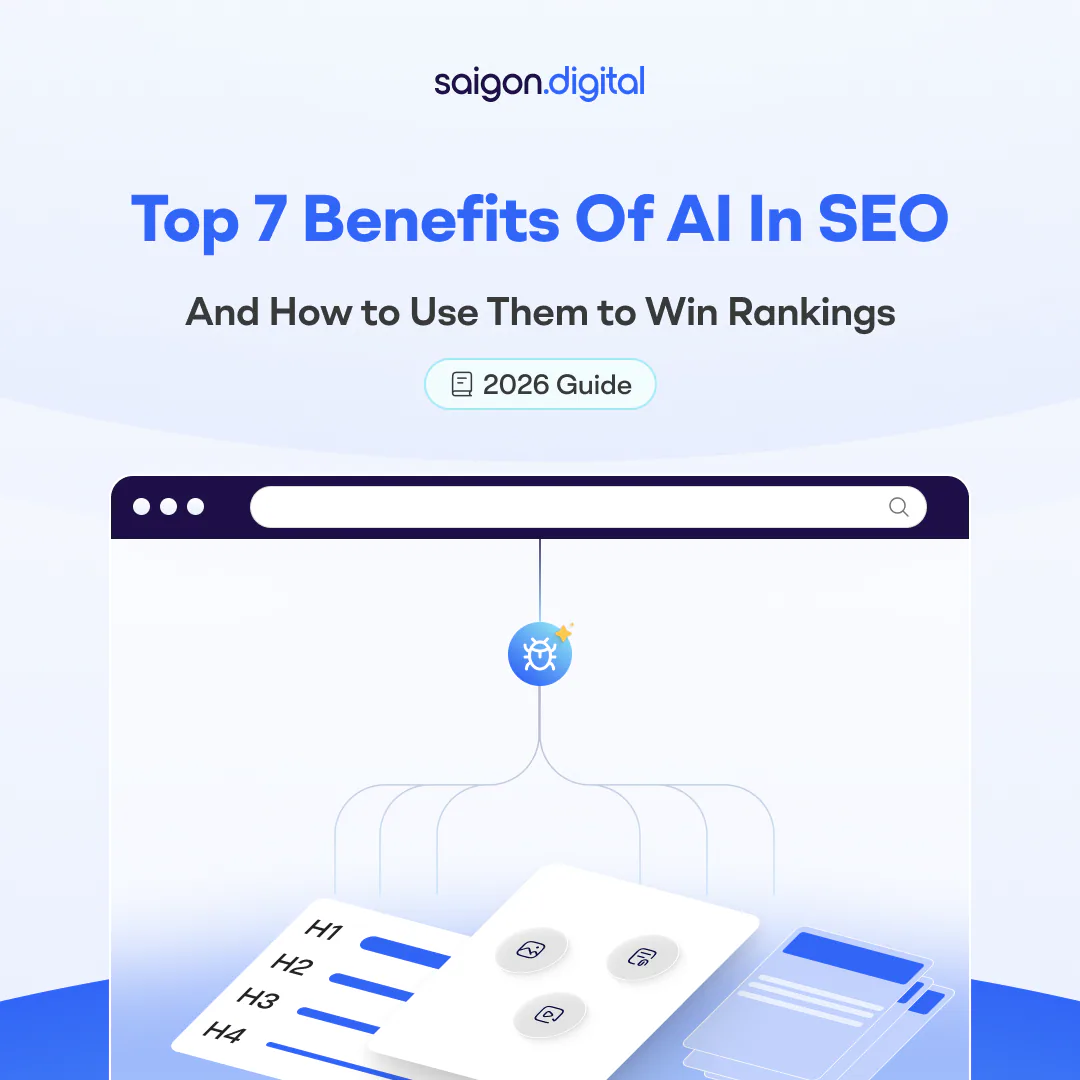
1. AI Dramatically Improves Keyword Research Accuracy
Traditional keyword research takes hours of manual digging. AI tools, on the other hand, can analyse millions of data points in minutes, including:
- search intent patterns
- competitor keyword gaps
- seasonal fluctuations
- semantic relationships between topics
This gives you a clearer picture of what your users are actually searching for, not just what tools guess they might be searching for.
How to use this to win rankings:
- Start by using AI-powered keyword clustering tools to group related phrases into themes.
- Build content hubs (pillar pages + supporting articles) around these clusters.
- Prioritise clusters with high intent and low competitive density.
Example: Instead of targeting “best running shoes” as one generic term, AI might reveal search clusters like “best running shoes for flat feet”, “best women’s running shoes for marathons”, or “running shoes that prevent knee pain”.
This depth gives your site more entry points and thus more ranking potential.
2. AI Enhances Content Quality and Relevance
Google continues to prioritise relevance and user satisfaction. AI can assess top-ranking pages, evaluate semantic coverage, and highlight content gaps your competitors have missed.
However, at Saigon Digital, we emphasise that AI should support, not replace, expert insight. Human-led refinement keeps your brand voice consistent and ensures your content actually helps readers.
How to use this effectively:
- Use AI to generate structured outlines based on real SERP data.
- Compare your draft against competitor pages to identify missing subtopics.
- Let human subject-matter expertise refine tone, examples, claims, and practicality.
Pro tip: Ask AI tools to highlight “unanswered questions” within your topic. These often become strong sub-sections that improve topical authority.
3. AI Speeds Up Technical SEO Diagnostics
Technical SEO issues: slow page speed, broken scripts, messy internal links, often remain unnoticed until rankings fall. AI crawlers can detect issues instantly and, more importantly, explain how to resolve them.
Actions you can take:
- Set AI audits to run weekly and alert you of new errors.
- Let the tool prioritise issues based on impact (e.g., Core Web Vitals first).
- Use predictive analysis to see how fixing a particular issue may improve rankings.
Example: An AI tool might identify that your Largest Contentful Paint slows down significantly on mobile between 12pm–2pm due to server load. It could suggest lazy-loading specific assets or shifting resources to a CDN.
4. AI Enables Personalised, User-Centric Content Strategies
Since Google increasingly prioritises user engagement signals, content alignment with user intent has become crucial. AI helps by:
- mapping customer journeys
- predicting user intent at different stages
- suggesting content formats that match those intents
- modelling UX behaviour (scroll depth, click intention, dwell time)

How to leverage this:
- Build topic funnels: awareness → consideration → decision.
- Use AI to detect which keywords fall into which stage.
- Assign the right content format (guide, comparison table, video script, FAQ).
For example, a query like “how to choose a CRM” signals exploration, while “HubSpot vs Salesforce pricing” signals strong purchase intent. AI helps you spot the difference instantly.
5. AI Improves On-Page Optimisation at Scale
Optimising hundreds of pages manually is time-consuming. AI can:
- rewrite meta tags based on SERP analysis
- adjust header structure for clarity
- suggest internal linking opportunities
- check for readability, relevance, and keyword placement
- simulate how Google may interpret a page’s theme
How to use this benefit:
- Allow AI to generate initial meta titles and meta descriptions, then refine them manually for accuracy and brand tone.
- Use AI-based internal link recommendation tools to build stronger topic clusters.
- Evaluate pages monthly to ensure they stay aligned with current ranking patterns.
Tip: Always maintain human oversight, automated optimisation without review can cause keyword stuffing or irrelevant internal linking.
6. AI Strengthens Competitor Analysis and Predictive Insights
Search competition is no longer just about who ranks today, it’s about predicting who will rank tomorrow. AI models track competitors' changes and forecast how SERP dynamics may shift.
Practical ways to use this:
- Monitor competitor content velocity, how fast they publish and update pages.
- Watch for new backlink spikes that could influence their domain authority.
- Identify “ranking volatility zones” where a new page could break through.
Example: If AI predicts a decline in a competitor’s authority on “digital banking trends”, you can strategically update and expand your own content to take advantage of the upcoming gap.
7. AI Elevates SEO Reporting and Strategic Decision-Making
One of the most overlooked benefits of AI in SEO is its ability to simplify complex reporting. AI can take raw analytics data and convert it into meaningful explanations with actionable next steps.
AI can tell you:
- which pages will likely lose rankings soon
- which keywords show upcoming opportunity
- why certain pages dropped and how to fix them
- where to allocate your SEO resources for maximum ROI
How to apply this:
- Generate monthly AI-enhanced SEO reports for a clearer view of performance trends.
- Use automated insights to plan your next 90-day content roadmap.
- Combine AI predictions with human judgement to ensure realistic actions.
Putting It All Together: How to Use AI to Win Rankings in 2026
To fully capture the benefits of AI in SEO, we recommend a structured workflow that blends automation with human expertise.
AI can be transformative, but only when paired with a clear structure and strong human direction. At Saigon Digital, we’ve refined an approach that blends automation with strategic oversight so businesses can confidently scale their SEO without compromising quality. Below, we expand each part of the framework to help you use AI effectively and sustainably.
A. Build AI-Assisted SEO Foundations
Your foundations determine how successful your AI-driven SEO will be. Instead of using AI randomly or reactively, you should integrate it into core processes that support your overall search strategy.
1. Run AI-Powered Technical Audits On a Fixed Schedule
AI can detect issues far earlier than manual checks. Set recurring weekly or monthly scans that track:
- Core Web Vitals fluctuations
- indexing and crawlability errors
- changes in schema markup
- broken internal or external links
- unexpected content duplication
- mobile rendering differences
A structured schedule ensures that small issues don’t grow into ranking-compromising problems. The goal is proactive maintenance, not panicked fixes.
2. Use AI-Generated Keyword Universes to Inform Your Content Strategy
Instead of working off disconnected lists, create a full “keyword universe” that AI populates based on:
- search intent
- user stage (awareness, consideration, decision)
- semantic relationships
- ranking difficulty
- business relevance
This keyword universe becomes a living asset you can expand every quarter. With it, you avoid producing fragmented content and instead build a coherent roadmap that reinforces your topical authority.
3. Use AI Tools to Cluster Keywords and Map Content Gaps
Keyword clustering helps you create topic hubs that align with how Google understands user intent. AI can group hundreds or thousands of terms in seconds.
Once clusters are defined:
- Identify missing content within each cluster.
- Determine where internal linking can be strengthened.
- Flag high-value cluster opportunities based on search volume and competition.
This structured system prevents ad-hoc content creation and ensures every new page fits logically within your SEO ecosystem.
4. Train Your Team to Interpret AI Insights Correctly
AI tools are powerful, but without human judgement, their recommendations can be misinterpreted. Provide your content and marketing team with guidelines that explain:
- how to prioritise AI-generated suggestions
- when certain AI outputs may not align with brand goals
- which metrics matter most (e.g., search intent alignment, not keyword density)
This step is often overlooked, yet it’s crucial, the stronger your internal understanding, the more ROI you’ll gain from AI-enhanced SEO.
B. Keep Humans in Charge of Creativity and Strategy
AI excels at analysis and pattern recognition, but creativity, empathy, and brand understanding still require a human touch. To maintain authenticity and long-term ranking reliability, humans must remain the decision-makers.
1. Maintain Human-Led Editorial Oversight
AI can help outline content and even draft initial text, but human editors should:
- refine tone of voice to match brand personality
- verify claims and statistics
- ensure examples feel practical and regionally relevant
- remove generic phrasing that might weaken authority
This combination produces content that ranks well and resonates with real readers, a balance Google actively rewards.
2. Use AI as a Planning Partner, Not a Replacement For Expertise
For example:
- AI can suggest subtopics for a “2026 digital marketing trends” article.
- A human strategist can determine which trends matter most for your audience and industry.
This ensures your content is not only comprehensive but strategically aligned with your commercial goals.
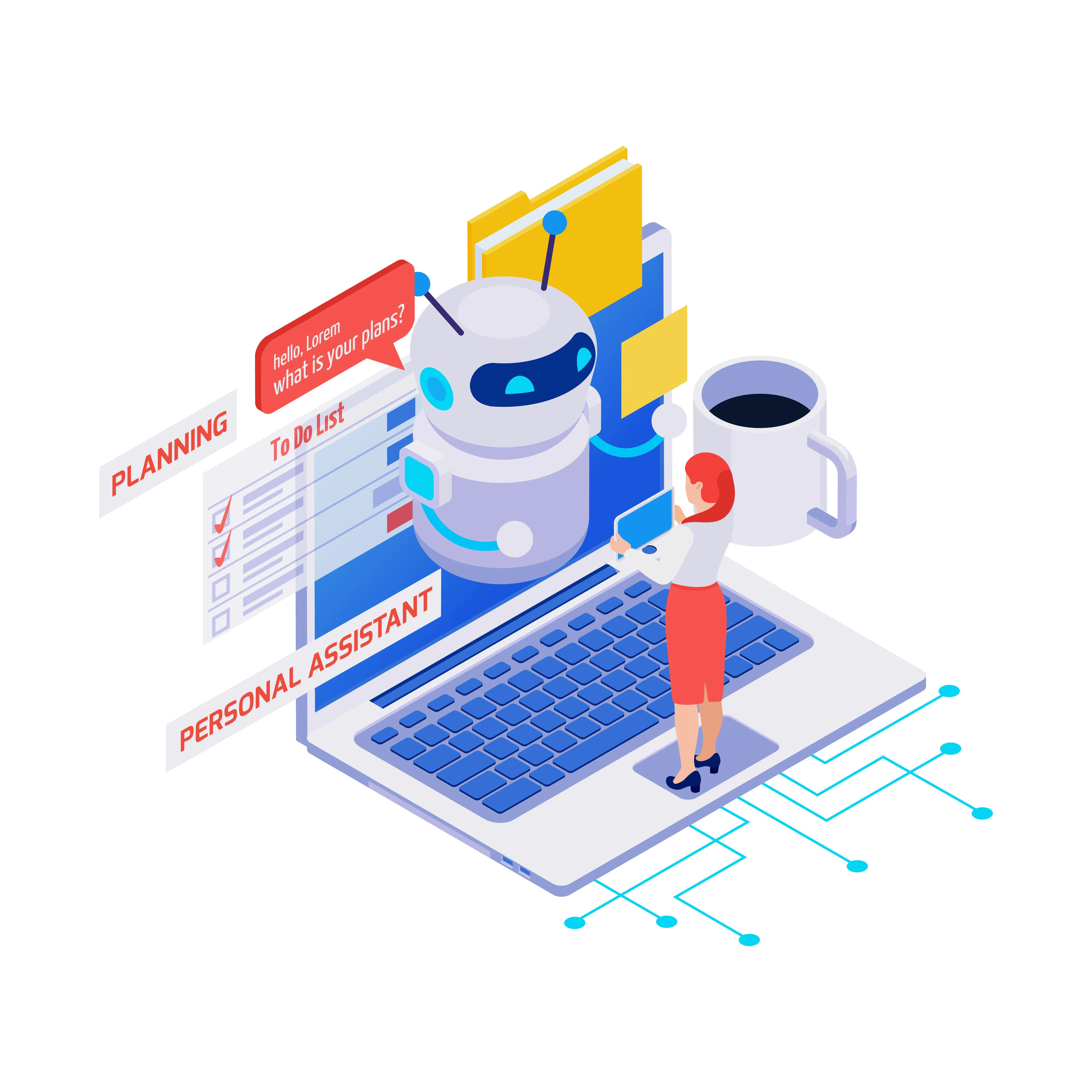
3. Blend AI Insights With On-The-Ground User Understanding
If AI predicts growing search interest around “AI personalisation tools for retail”, your team should consider:
- which retail segments you serve
- whether the topic aligns with your services
- what unique perspective your brand brings
In other words, AI highlights opportunities, but humans decide which ones are worth pursuing.
4. Review All Automated Optimisations Before They Go Live
This includes meta tags, schema updates, or internal linking changes. Automated updates can sometimes be literal, repetitive, or technically incorrect. Human oversight ensures your website stays accurate, user-friendly, and brand-consistent.
C. Continuously Monitor, Adapt and Improve
SEO is not static, and neither should your AI-driven approach be. As search trends evolve, AI’s insights improve when you feed them new data and adapt accordingly.
1. Monitor Your Website Performance Using AI-Powered Dashboards
Modern AI dashboards do more than track impressions or clicks, they identify patterns such as:
- early ranking drops
- increases in user dwell time
- declining interest in topics you previously prioritised
- changes in competitor content freshness
These insights help you adjust your strategy before rankings shift significantly.
2. Keep Your Content Updated Based on Predictive Ranking Insights
AI can forecast which pages are likely to lose traffic in the next few months based on competitor movements, SERP volatility, or changes in user behaviour.
Use these predictions to:
- update outdated sections
- expand thin areas
- refresh meta data
- add new FAQs based on rising queries
- integrate new internal links to increase authority flow
Regular updating maintains your position in competitive niches and prevents content decay.
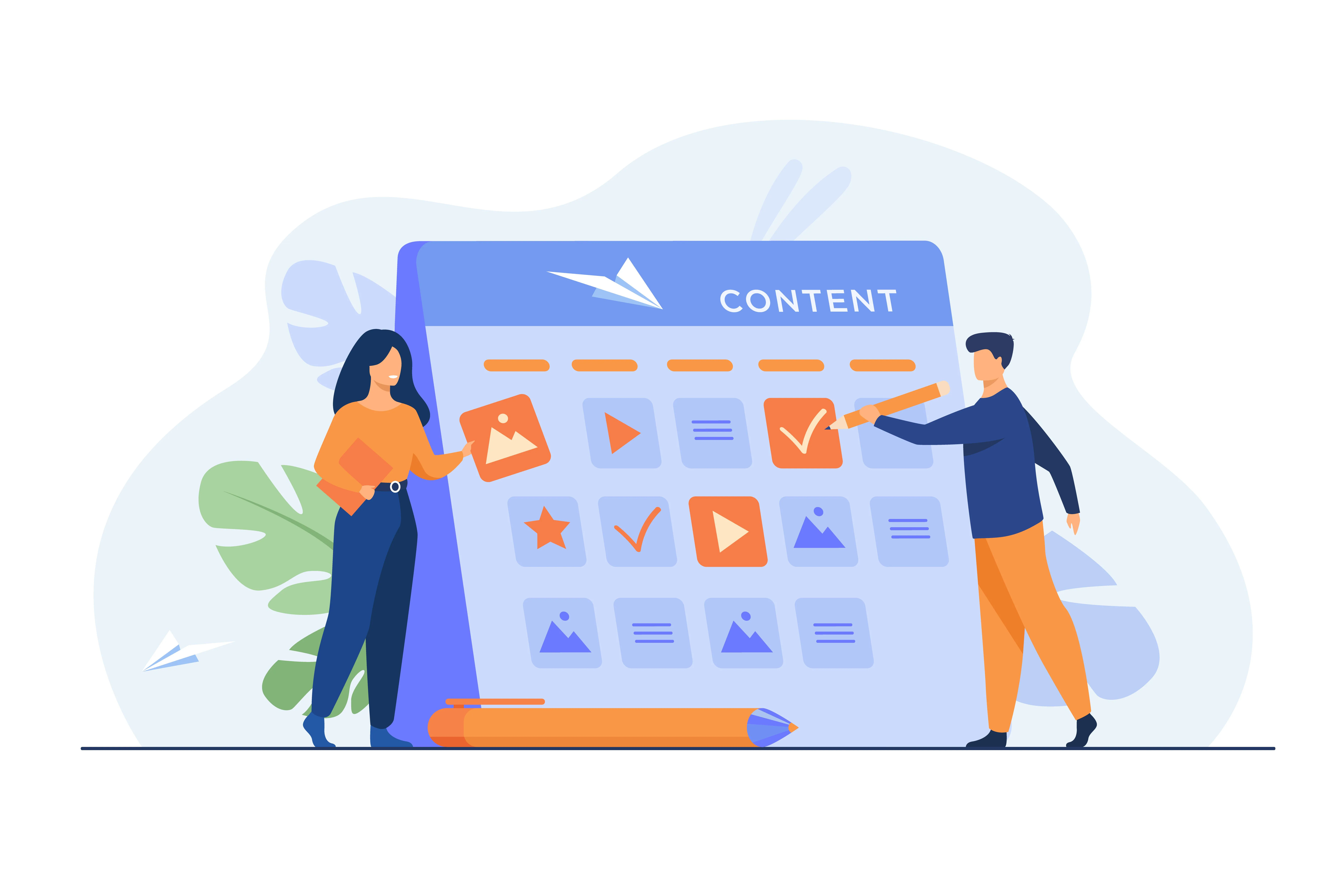
3. Strengthen Your Topic Clusters Over Time
Clusters naturally evolve as user behaviour shifts. Review your clusters quarterly to:
- add new supporting pages
- merge overlapping content
- refine internal links
- adjust content hierarchy based on performance trends
Strong clusters help Google understand your expertise within a subject area, making it easier for all pages within the cluster to rank higher.
4. Let AI Assist With Forecasting and Strategic Planning
AI can model scenarios such as:
- how rankings may shift if you publish a content series
- how much traffic you may gain by improving site speed
- whether building 10–15 targeted backlinks could push certain pages onto page one
Use these forecasts to prioritise high-impact actions instead of guessing. This makes your SEO efforts more predictable, efficient, and cost-effective.
Ready to Enhance Your SEO Strategy with AI?
The benefits of AI in SEO are undeniable: better research, smarter optimisation, clearer insights, and faster execution. However, AI is most powerful when paired with a thoughtful, user-centric strategy, something we value deeply at Saigon Digital.
When used properly, AI becomes a competitive advantage that helps you understand your audience, craft better content, and secure more stable and profitable rankings in 2026 and beyond.
Saigon Digital is always here to support your growth with forward-thinking solutions if you'd like help implementing any of these AI-driven SEO strategies.
Get in touch with us today!
Want to be the brand AI engines recommend?
We make businesses visible on Google and inside AI answers, measured in leads, not vanity metrics.