At Saigon Digital, we help brands navigate complex digital challenges with strategic, user-centred solutions. Recently, few innovations have reshaped the landscape quite as profoundly as generative AI. While the technology often makes headlines for producing text, images or code in seconds, its true value lies much deeper: it is redefining how businesses ideate, create and scale.
To help you understand this shift, we’ve created a comprehensive and accessible guide that explains what generative AI is, how it works, and why it is transforming industries of every size. We also outline practical steps to help your organisation adopt the technology thoughtfully and effectively.
Understanding Generative AI
Generative AI refers to artificial intelligence systems trained to create original content. These systems learn from large libraries of existing data, internalise patterns, and then generate new material such as copywriting, images, audio, code, product ideas and even 3D models.
Unlike traditional AI, which primarily analyses, classifies or predicts, generative AI produces new outputs that resemble human creativity. Put simply, traditional AI explains what is, but generative AI imagines what could be.
For example:
- A language model can draft a 100-word ecommerce product description in seconds.
- A design model can generate multiple visual concepts before your creative team sketches a single idea.
- A code generation tool can propose solutions to software bugs.
- A video generator can create storyboards or character concepts.
These capabilities allow businesses to scale creation without fully scaling resources, often a game-changer for marketing, product development and operations.
How Generative AI Works
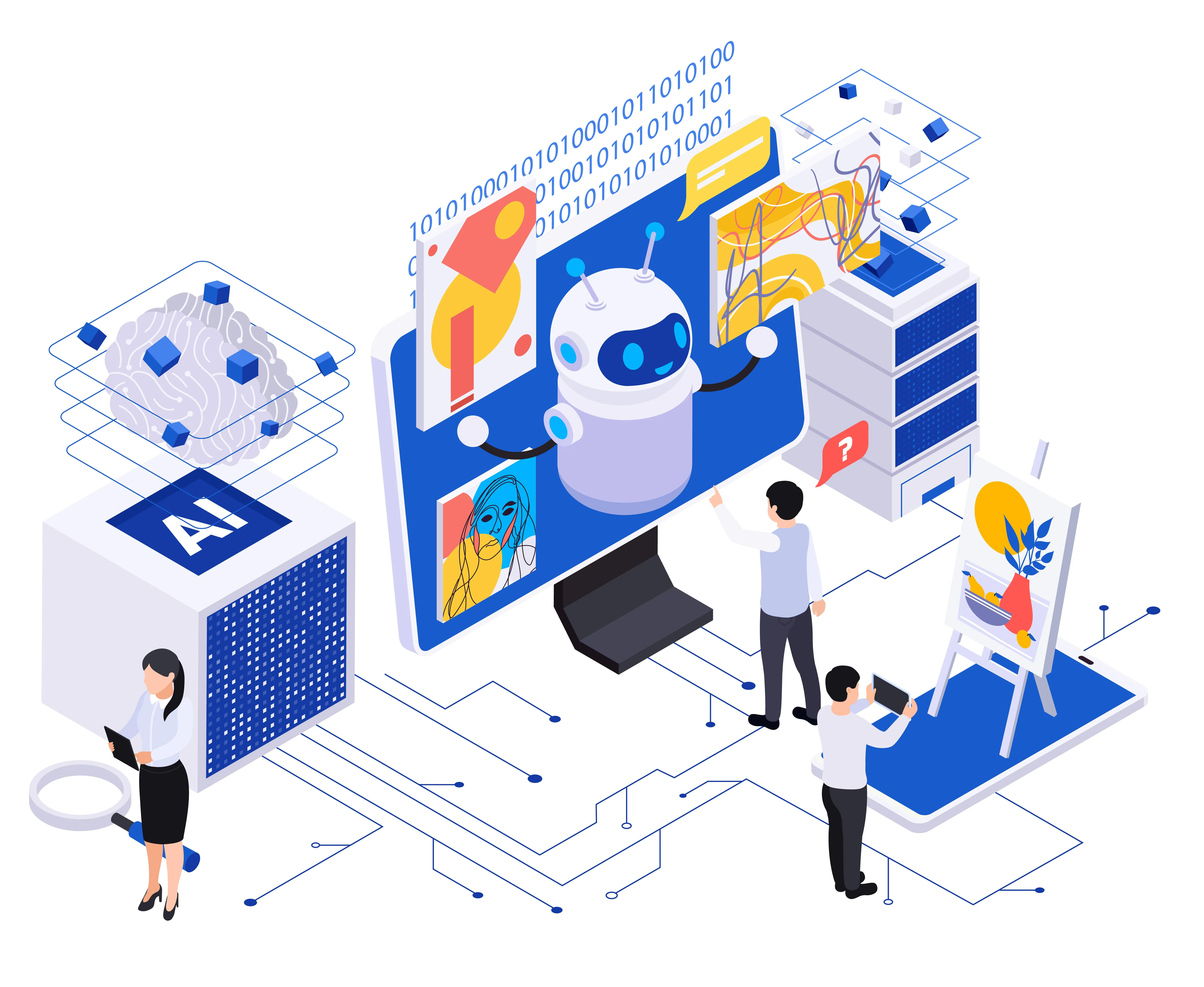
Although the underlying maths is complex, the basic idea is fairly intuitive. Generative AI models learn patterns from vast amounts of data and then use that understanding to generate original content.
Here’s a straightforward breakdown:
1. Training on Large Amounts of Data
Models such as GPT, DALL·E or Stable Diffusion are trained on huge datasets consisting of text, images or audio, until they learn relationships, structures and styles.
For instance, by reading millions of articles, a language model learns how sentences flow, how tone works and how ideas connect.
2. Recognising Patterns and Structures
The model identifies subtle patterns, much like how humans internalise grammar rules or storytelling techniques without consciously memorising them.
3. Generating New Content Using Probabilities
When you give the model a prompt, it predicts what should come next, one step at a time. This prediction happens at scale and at speed, allowing the model to create paragraphs, images or code that align with the input instructions.
4. Refinement Through Human Feedback
Many modern models use reinforcement learning from human feedback (RLHF), meaning real people help refine which outputs are most useful or appropriate.
While the mechanics run deep, the outcome is straightforward: generative AI produces content that feels tailored, coherent and contextually relevant.
Generative AI in Action (Explained Simply)
Although the mathematics powering generative AI can be highly complex, this is only the back end. When it comes to the front-end, which is where users get to interact with the generative AI itself, the process is simpler.
1. Users Provide a Prompt or Input
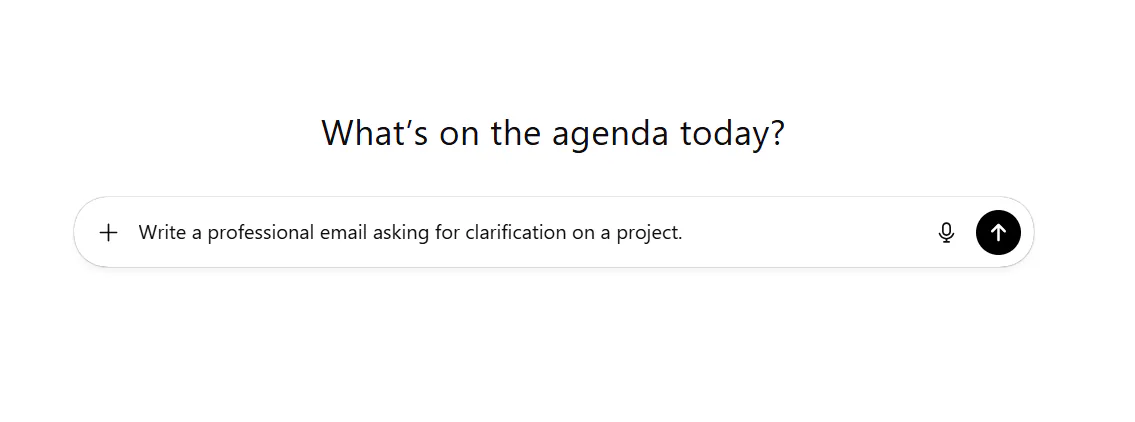
Generative AI responds to instructions known as prompts. These may be free-form (typed text) or structured (parameters such as tone, length or keywords).
For example: “Write a professional email asking for clarification on a project.”
This aspect of users inputting a prompt is the same across different AI models like ChatGPT, Google Gemini, etc.
2. The AI Model Processes the Prompt
Once the prompt is received, the model compares it with everything it learned during training. These training libraries often contain billions of examples: articles, images, code snippets, videos, and more.
As it trains, the model studies:
- How sentences are structured
- How visual styles differ
- How code patterns function
- How tone shifts across contexts
By learning these patterns, generative AI can produce content that feels original even though it’s ultimately informed by existing data.
3. The Model Generates New Output
The output depends on the type of generative model. Here are the most common types:
Large Language Models (LLMs)
LLMs predict the next most likely word in a sequence. They create text, answer questions, summarise documents and produce code.
Examples: ChatGPT, Claude, Gemini.
Generative Adversarial Networks (GANs)
GANs generate visual or audio content using two neural networks, one creates content, the other critiques it. This push-and-pull produces realistic output.
Variational Autoencoders (VAEs)
VAEs analyse input data, compress it, and then rebuild new content inspired by the original patterns. They’re often used for visual or code-related tasks.
Diffusion Models
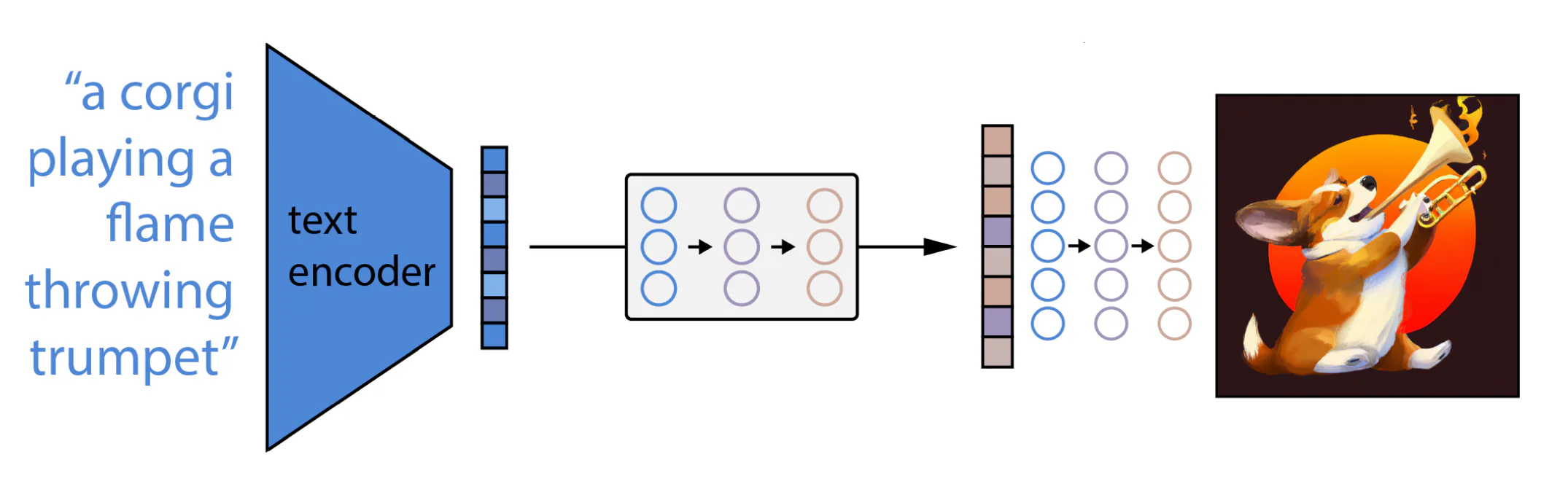
Used by tools like DALL·E and Midjourney, diffusion models gradually add noise to images and learn how to reverse the process, allowing them to create entirely new visuals.
Each technology has strengths and limitations, but together they make up the engine powering modern generative AI.
Popular Generative AI Tools and What They Do
Generative AI has grown rapidly in both capability and accessibility, and several tools now lead the market. Each one offers unique strengths that make it suitable for different types of tasks, industries, and workflows.
Below, we provide a deeper and more practical look at today’s most widely used generative AI tools and how businesses can use them effectively.
Text and Multimodal Generative AI Tools
ChatGPT (OpenAI)
ChatGPT is one of the most versatile and widely used generative AI systems available. It can write, analyse, ideate, code, and act as a conversational assistant across countless use cases.
What Makes It Stand Out:
- Handles a broad range of tasks with strong reasoning ability
- Produces natural, coherent writing and structured explanations
- Custom GPTs enable brand-specific workflows
- Processes long documents for analysis or summarisation
- Often the easiest way for organisations to adopt generative AI

Gemini (Google)
Gemini is Google’s flagship generative AI system, designed to work smoothly with the broader Google Workspace ecosystem.
What Makes It Stand Out:
- Integrates directly with Google Search for verifiable responses
- Summarises and analyses Docs, Sheets and Drive files with ease
- Interprets images, charts and handwritten notes
- Particularly strong for research, academic support and data extraction
- Familiar interface for teams already using Google tools

Microsoft Copilot
Copilot is Microsoft’s AI assistant embedded inside Office 365, Windows and Teams, streamlining day-to-day productivity.
What Makes It Stand Out:
- Works directly inside Word, Excel, PowerPoint, Outlook and Teams
- Enterprise-grade security and data governance
- Helpful for meeting summaries, email drafts and slide generation
- Can analyse spreadsheets and create insights in seconds
- Ideal for organisations standardised on Microsoft 365
Image and Design Generative AI Tools
DALL·E (OpenAI)
DALL·E is a text-to-image generator known for producing clean, coherent visuals that closely follow the user’s prompt.
What Makes It Stand Out:
- Strong composition accuracy and object coherence
- Allows fine-grained editing through inpainting and outpainting
- Produces commercially safe images suitable for businesses
- Seamlessly integrates with ChatGPT for iterative image refinement
- Great for mock-ups, layout ideas and creative experiments
Midjourney
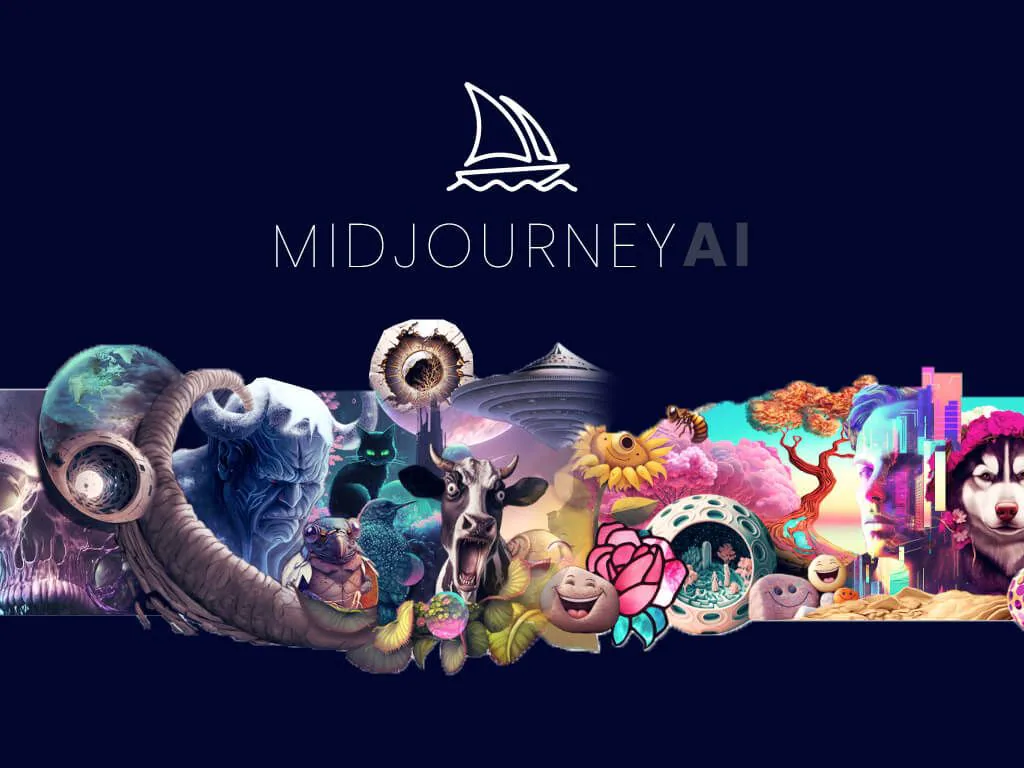
Midjourney is a visually rich image generator admired for its artistic, cinematic and stylistic output.
What Makes It Stand Out:
- High-quality, visually striking images with strong aesthetic detail
- Supports advanced prompt controls (camera angles, lenses, lighting)
- Community-driven environment encourages learning and idea sharing
- Excellent for branding concepts, campaign ideas and mood boards
- Delivers artwork-like output unmatched by most competitors
Stable Diffusion (Stability AI)
Stable Diffusion is an open-source image generation model that businesses can run privately and customise.
What Makes It Stand Out:
- Fully customisable and trainable with proprietary datasets
- Allows private deployment for organisations requiring data control
- Supports countless community plugins and extensions
- Cost-effective for large-scale image generation
- Perfect for brands wanting unique, consistent visual styles

Adobe Firefly
Firefly brings generative AI into Adobe’s creative suite, making it easy for designers to use AI within tools they already know.
What Makes It Stand Out:
- Commercially safe training data suitable for professional work
- Seamless integration with Photoshop, Illustrator and Adobe Express
- Excellent for enhancing existing designs rather than replacing them
- Easy to learn for creative teams familiar with Adobe workflows
- Produces reliable, brand-friendly imagery

Video and Animation Generative AI Tools
Runway Gen-2
Runway is a leading AI video creation and editing tool, widely used in marketing, filmmaking and content production.
What Makes It Stand Out:
- Generates video clips from text or reference footage
- Offers advanced editing tools like motion tracking and background removal
- Ideal for campaigns, prototypes and creative visual testing
- User-friendly interface suitable for non-editors
- Encourages rapid experimentation without traditional filming costs

Pika Labs
Pika is a rapidly evolving AI video generator known for high-quality, cinematic results.
What Makes It Stand Out:
- Produces visually dynamic short video scenes
- Excellent at transitions, camera movement and stylistic visuals
- Strong community and fast feature development
- Useful for visual storytelling, ads and concept work
- Creates results that feel polished and modern
Synthesia
Synthesia generates AI presenters and avatars for corporate videos, eliminating the need for cameras or actors.
What Makes It Stand Out:
- Allows creation of training, onboarding and tutorial videos in minutes
- Supports multiple languages with consistent avatars
- Reduces production time and cost significantly
- Ensures uniform delivery of internal communications
- Ideal for teams producing recurring corporate content

Audio and Voice Generative AI Tools
ElevenLabs
ElevenLabs is a leading voice generation platform, known for realistic speech synthesis and emotional tone control.
What Makes It Stand Out:
- Highly natural, nuanced voices suitable for professional use
- Supports voice cloning for brand-specific narration
- Excellent for audiobooks, customer service and localisation
- Multi-language support with convincing pronunciation
- Easy integration into multimedia workflows

AIVA
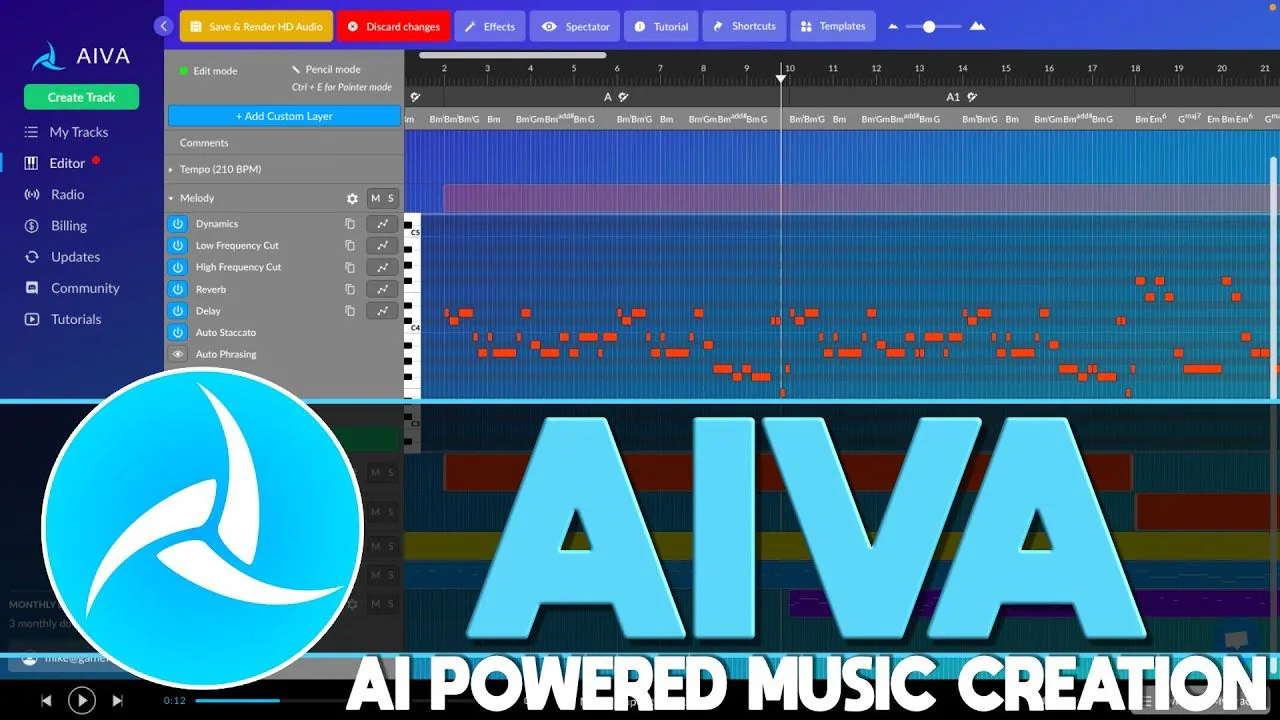
AIVA is a music generation tool that composes original tracks tailored to mood, style or brand personality.
What Makes It Stand Out:
- Creates royalty-free music suitable for commercial use
- Helpful for video creators, indie game developers and marketers
- Offers custom composition styles (classical, electronic, cinematic)
- Speeds up soundtrack creation compared with manual composing
- Useful for fast-paced content creation teams
Coding and Development Tools
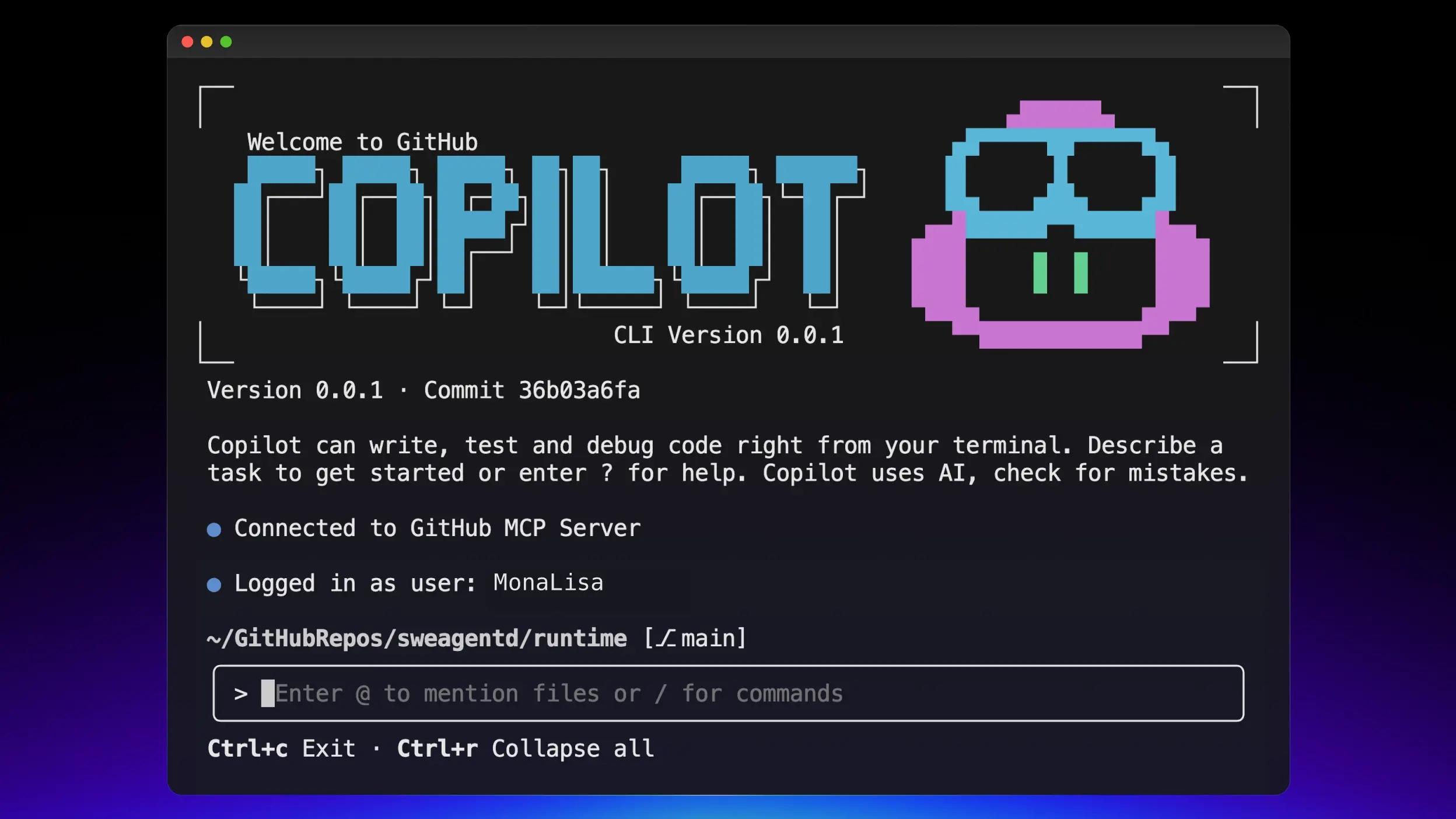
GitHub Copilot
GitHub Copilot is an AI coding assistant that integrates into popular IDEs, helping developers write code faster.
What Makes It Stand Out:
- Suggests entire functions, test cases and refactors
- Trained on huge code repositories for broad language support
- Reduces repetitive coding tasks
- Helpful for onboarding junior developers quickly
- Improves consistency across large codebases
Replit AI
Replit AI supports rapid prototyping by pairing an in-browser code editor with an AI assistant.
What Makes It Stand Out:
- Great for generating small apps or prototypes quickly
- Beginner-friendly and accessible anywhere
- Helps debug errors with clear explanations
- Ideal for hackathons, MVPs and fast experimentation
- No installation required, speeding up collaboration

Google Colab AI
Colab AI enhances Google’s cloud-based notebook environment with AI-powered data analysis and modelling support.
What Makes It Stand Out:
- Excellent for data scientists and analysts
- Assists with cleaning, visualising and modelling datasets
- Runs Python code directly in the browser
- Integrates with Google Drive for dataset storage
- Suitable for machine learning experimentation on the go

Where Generative AI Is Having the Biggest Impact
Generative AI is transforming virtually every sector. Below are the industries experiencing the most profound change.
1. Marketing and Content Creation
Generative AI is reshaping digital marketing by making content creation faster, more efficient, and more scalable. Teams that once needed days to produce campaign assets can now generate drafts, creative concepts, and variations in minutes. However, the organisation’s expertise, brand understanding, and human judgement remain essential for refining, validating, and elevating the output.
Where It Creates Value
- Rapid ideation for blogs, ads, social posts, email sequences, and landing pages.
- Brand voice support, helping teams maintain consistency across channels.
- Content repurposing, such as transforming a long-form article into short social snippets or video scripts.
- Audience-specific variations, allowing marketers to target different buyer personas with minimal effort.
Examples
- Turning a blog post into multiple Instagram carousels, LinkedIn posts, and a newsletter within minutes.
- Generating 10–20 ad headline variations to A/B test messaging angles quickly.
- Creating draft product descriptions that can be customised for tone, seasonality, and pricing updates.
2. AI in Sales
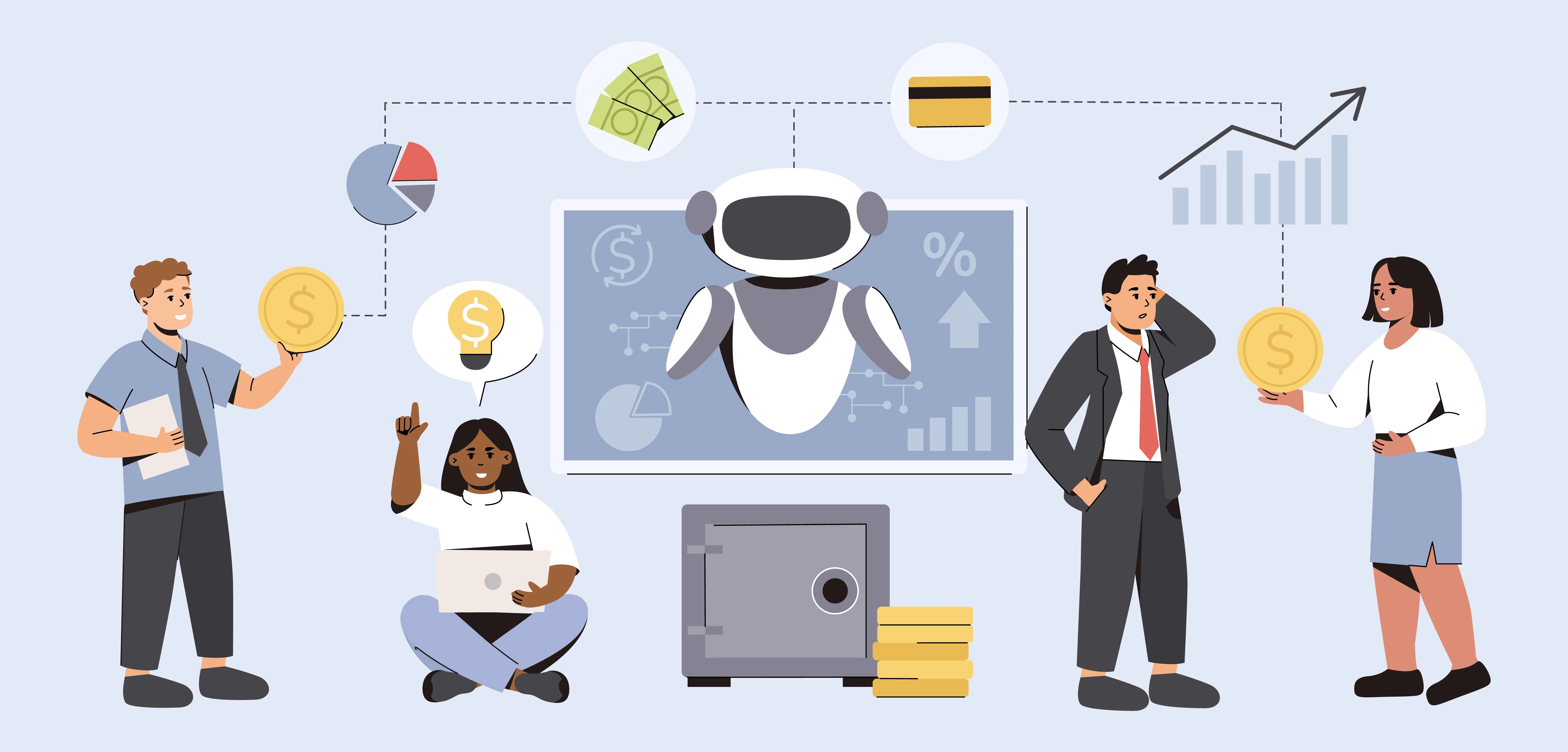
AI in sales is becoming a game-changer by helping teams personalise outreach, improve forecasting accuracy, and streamline administrative work that traditionally slows down the sales cycle. Instead of spending hours drafting emails or updating CRM records, sales professionals can focus more time on building relationships and closing deals.
Where It Creates Value
- Personalised outreach at scale, tailored to industry, role, intent signals, or buyer stage.
- Faster proposal and pitch deck creation, using structured prompts and pre-approved brand messaging.
- Lead qualification and scoring, with AI summarising notes, identifying buying signals, and recommending next actions.
- CRM automation, including call summaries, follow-up suggestions, and real-time opportunity insights.
Examples
- Generating customised cold emails that reference a prospect’s industry trends and pain points.
- Transforming call transcripts into succinct summaries that highlight objections, priorities, and recommended next steps.
- Creating tailored proposals by pulling product, pricing, and customer details into a coherent structure within minutes.
3. Advertising and Creative Production
Generative AI accelerates the creative pipeline by helping teams build assets that previously required days of design or video work. While AI won’t replace creative direction, it offers a powerful way to explore ideas and iterate quickly.
Where It Creates Value
- Producing ad copy, visuals, or video drafts rapidly.
- Generating multiple creative variations to test different angles.
- Supporting designers with mood boards, style ideas, and alternative layouts.
Examples
- Creating a series of banner ad concepts before selecting one for professional refinement.
- Using AI-generated visuals as placeholders for early campaign mock-ups.
4. Software Development
Developers are using generative AI as an on-demand coding partner that handles repetitive tasks, debugging, and documentation.
Where It Creates Value
- Suggesting code completions and fixing broken functions.
- Converting outdated code into modern frameworks.
- Generating documentation and test cases.
Examples
- Using AI to detect bugs by pasting an error message and receiving suggested fixes.
- Generating boilerplate code for API endpoints or components.
5. Healthcare and Scientific Research
AI is supporting medical professionals by improving accuracy, accelerating research, and enhancing diagnostics. Although AI cannot replace clinical expertise, it offers powerful tools to support decision-making.

Where It Creates Value
- Analysing medical images such as X-rays or MRIs.
- Assisting with genome sequencing and drug discovery.
- Helping practitioners classify patient information more efficiently.
Examples
- AI analysing imaging scans and flagging areas for further clinical review.
- Researchers generating synthetic data to model diseases without exposing patient data.
Benefits of Generative AI
Generative AI brings a wide range of practical advantages that are reshaping how organisations create, manage, and deliver digital work. By blending automation with intelligent pattern recognition, it helps teams work faster, maintain consistency, and explore new ideas with far greater ease.
1. Speed and Efficiency
Generative AI enables teams to create content, analyse information, or draft ideas in seconds, dramatically reducing the time spent on manual work. Instead of starting from scratch, users can begin with a solid AI-generated foundation and refine it from there. This acceleration allows teams to explore more concepts, respond faster to opportunities, and deliver work at a pace that would otherwise be impossible.
2. Scalability Across Channels
Because AI can follow consistent instructions and formatting, it becomes much easier to scale content across multiple platforms, audiences, and markets. Teams can generate variations of the same message, adapt materials for different contexts, or produce large volumes of work without compromising coherence. This makes generative AI particularly valuable for organisations that manage complex or fast-growing content needs.
3. Improved Consistency and Quality
By embedding tone of voice, brand rules, and style guidelines into prompts or custom models, generative AI helps maintain a unified standard across all content. This consistency can be challenging when many contributors are involved, but AI ensures that messaging remains polished and aligned. As a result, brands can maintain a professional image while freeing up time for team members to focus on more strategic tasks.
4. Enhanced Creativity and Idea Generation
Generative AI acts as a creative partner, offering new angles, prompts, and possibilities that teams may not have considered on their own. It can expand short ideas or simplify complex ones, helping users clarify thinking and unblock creative challenges. Rather than replacing human creativity, AI boosts it by providing additional perspectives and accelerating the brainstorming process.
5. Resource Optimisation
For organisations with limited time or staff, generative AI becomes a powerful equaliser. It supports teams by handling repetitive or labour-intensive tasks such as summarising research, drafting outlines, or generating first drafts. This allows people to allocate their time more effectively and ensures that even small teams can produce work at a high standard without becoming overwhelmed.
Limitations and Risks to Consider
While generative AI offers remarkable opportunities, it also introduces a set of limitations and risks that businesses need to understand before integrating it into daily workflows.
1. Accuracy and Hallucinations
Generative AI can produce information that sounds confident but may be factually incorrect or entirely fabricated. This happens because the model predicts patterns rather than verifying truth.
As a result, it’s essential to review and fact-check any AI-generated output, especially when dealing with legal, financial, or technical topics. Human oversight remains critical to maintaining accuracy and credibility.
2. Bias and Representation Issues
AI systems learn from the data they are trained on, which means existing biases can unintentionally appear in the output. These biases may affect anything from tone and wording to how certain groups are represented.
To mitigate this, teams should assess outputs critically, diversify training data where possible, and establish internal guidelines to ensure content remains fair, inclusive, and appropriate for all audiences.
3. Lack of Transparency
Most generative models operate as “black boxes”, offering little clarity on how decisions are made or why certain outputs appear. This can make it difficult to judge reliability or trace the origins of specific claims.
Organisations should therefore use AI as a supporting tool rather than a source of authority, and document internal processes to maintain accountability in how AI-generated materials are used.
4. Dependence and Over-Automation
Although generative AI can accelerate work, over-reliance may reduce original thinking or discourage teams from developing their own ideas. When workflows become too automated, the unique human touch: context, intuition, creativity, can be lost.
A balanced approach works best: let AI assist with early drafts or repetitive tasks while reserving strategic and creative decisions for people.
5. Ethical and Security Concerns
Generative AI can be misused to create deepfakes, manipulate content, or craft deceptive messages that compromise trust. It also poses risks when sensitive data is shared with models that store or process information externally.
Organisations should avoid inputting confidential material into public AI tools, implement strict security practices, and train teams to recognise signs of manipulated or misleading AI-generated content.
How Your Business Can Use Generative AI Responsibly and Effectively
At Saigon Digital, we recommend a structured approach that balances innovation with responsibility.
1. Establish Clear Guidelines for AI Usage
Before integrating generative AI into everyday workflows, it’s important to set clear boundaries around how it should and shouldn’t be used. This helps maintain consistency, reduces risk, and ensures teams aren’t relying on AI for tasks that require human expertise.
For example, imagine a company that regularly publishes industry insights. Their guideline might specify that AI can assist with drafting article outlines or summarising reports, but all final insights and recommendations must come from a subject matter expert.
Actionable tips:
- Create a short internal document outlining acceptable and unacceptable AI use cases.
- Define which tasks require human review before publication.
- Provide prompt templates so teams use AI in a consistent, reliable way.
2. Train Your Team to Use AI Properly
Even the most powerful AI tools can produce poor results when used without proper training. Helping your team understand how to craft prompts, refine outputs, and apply critical thinking dramatically improves both quality and reliability.
Returning to the earlier example, the company publishing industry insights could train its writers on how to prompt AI for structured outlines, data summaries, or alternative perspectives, while also reinforcing that fact-checking remains essential.
Actionable tips:
- Host short internal workshops covering prompt writing basics.
- Offer examples of “good vs ineffective” prompts.
- Encourage team members to experiment with revisions rather than accepting the first output.
3. Use Human Oversight for All Critical Outputs
Generative AI is a helpful starting point, but it should never replace human judgement, especially for content that influences decisions or shapes brand reputation.
Continuing our example, the editorial team wouldn’t publish an AI-generated industry insight without verifying claims, correcting tone, and adding real-world context. This ensures the final piece reflects genuine expertise rather than relying solely on predictions from a model.
Actionable tips:
- Assign clear reviewers for AI-generated work.
- Check all facts, statistics, and quotes before publishing.
- Add human insights, examples, and experience to elevate the content beyond AI’s baseline.
4. Protect Sensitive and Confidential Information
Businesses must take care not to input sensitive data into AI tools that store or use information for training, especially public or free models.
For example, if the earlier company needs AI to summarise a market report, they should avoid uploading confidential commercial forecasts. Instead, they could redact sensitive sections or rely on approved internal tools designed for secure data handling.
Actionable tips:
- Never upload client data, financial records, or personal information into public models.
- Use enterprise-grade AI tools with strong privacy guarantees.
- Train teams on what is considered “safe” vs “unsafe” to share.

5. Prioritise Transparency in AI-Assisted Workflows
Being transparent about how AI is used helps build trust with customers, partners, and internal stakeholders.
If a company creates industry insights using AI-assisted research summaries, they might choose to mention that AI supported early drafting while clarifying that all recommendations come from human experts. This level of transparency reassures readers that the work is guided by real knowledge, not just automated output.
Actionable tips:
- Disclose AI involvement when it meaningfully contributes to the work.
- Standardise transparency statements across content types.
- Communicate to stakeholders that human experts remain responsible for final decisions.
6. Start with Small Use Cases and Expand Gradually
Generative AI works best when rolled out in manageable steps. Businesses often achieve the greatest outcomes by starting with simple tasks, such as summarising long documents or generating content variations, before incorporating AI into more complex workflows.
In our running example, the company might begin with AI-generated outlines for industry insights, then gradually move to using AI for initial drafts or data interpretations as confidence grows.
Actionable tips:
- Pick one or two simple workflows to test, measure, and refine.
- Gather feedback from the team to determine what works and what doesn’t.
- Expand into more strategic use cases only after early wins.
7. Continuously Review and Improve Your AI Processes
Generative AI evolves quickly, and so should your internal practices. Regularly reviewing outputs, gathering feedback, and updating guidelines ensures your business continues to benefit from AI as the technology improves.
For instance, the company producing industry insights might evaluate which prompts deliver the best clarity, which tools are most reliable, or how accuracy can be improved with human input.
Actionable tips:
- Schedule quarterly reviews of AI workflows and guidelines.
- Experiment with new tools or features as they emerge.
- Track quality improvements, time savings, and potential risks over time.
Why Generative AI Matters Now
Generative AI is not a passing trend. It is a fundamental shift in how organisations think, create and deliver value. By understanding how it works and embracing its capabilities responsibly, businesses can unlock greater efficiency, innovation and competitive advantage.
At Saigon Digital, we help brands apply generative AI in ways that are purposeful, ethical and tailored to their goals.
Get in touch with Saigon Digital today to start adopting generative AI across your marketing, operations or digital strategy.
Want to be the brand AI engines recommend?
We make businesses visible on Google and inside AI answers, measured in leads, not vanity metrics.