As a forward-thinking digital agency, Saigon Digital spends every day helping businesses navigate technologies that are rapidly reshaping how brands operate and grow. Among these technologies, predictive AI stands out as one of the most transformative. It empowers organisations to anticipate what might happen next, rather than simply react to what has already occurred.
Because predictive AI continues to influence everything from marketing and customer experience to logistics and product development, understanding how it works is no longer optional. It is essential. With that in mind, let’s explore what predictive AI really is, why it matters, and how you can begin using it effectively.
What Is Predictive AI?
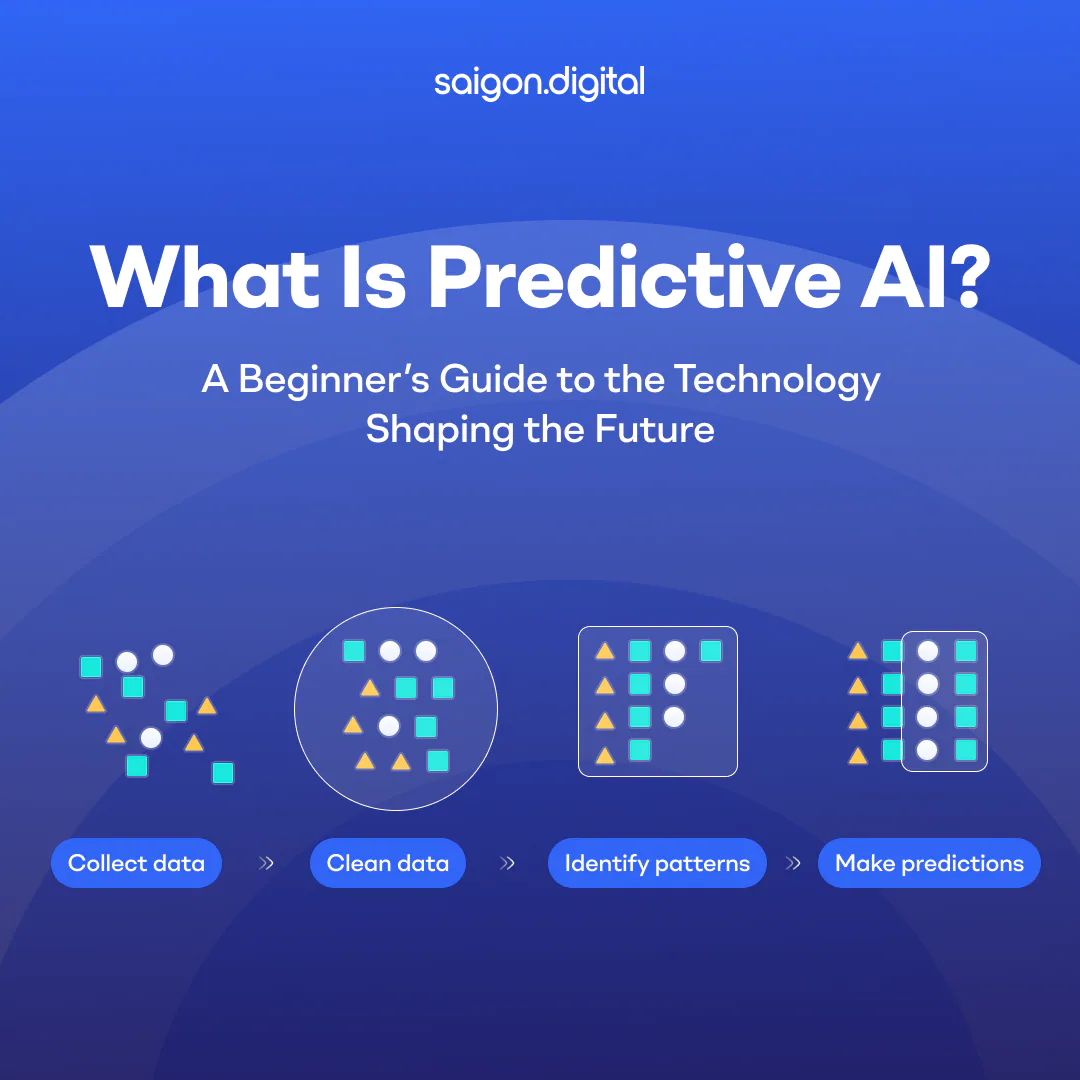
Predictive AI refers to a class of artificial intelligence that analyses historical and real-time data to forecast future outcomes. It uses statistical models, machine learning algorithms, and pattern detection to make educated predictions about behaviours, events, or trends.
To put it simply, if traditional analytics tells you what happened and why it happened, predictive AI tells you what is likely to happen next.
For example, retailers use predictive AI to estimate demand for a product. Meanwhile, healthcare professionals rely on it to identify early signs of disease. And as we see increasingly in digital marketing, brands use it to forecast user behaviour, optimise campaigns, and personalise experiences.
How Predictive AI Works
Although predictive AI involves sophisticated algorithms, its overall process follows a clear and logical series of steps. Understanding these steps helps businesses see how predictions form and why they become more accurate over time.
To illustrate each stage, let’s follow a single example: a fashion e-commerce retailer wanting to forecast which products customers are likely to buy next season.
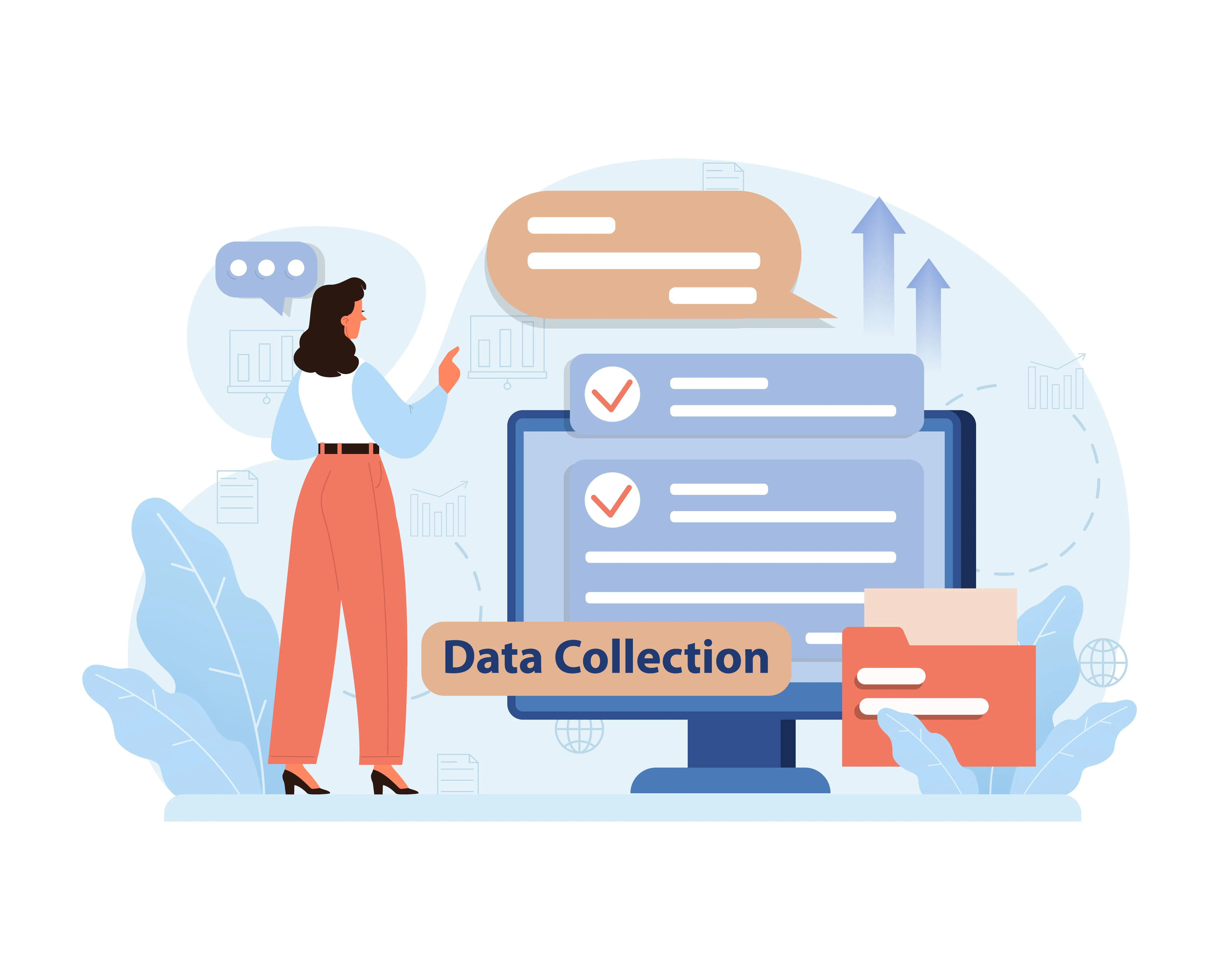
1. Data Collection
First, predictive AI gathers large sets of structured and unstructured data. This data may come from different sources, depending on the business and its goals. For our fashion retailer, the system would collect:
- Past sales data, including which products sold well in previous seasons
- Customer browsing habits, such as which items users view most often
- Purchase history, indicating customer preferences and basket patterns
- Marketing interaction data, like email clicks or engagement with ads
- External factors, including seasonal trends, weather patterns, or social media signals
Because predictive AI thrives on quantity and diversity, combining these data types allows the system to build a clearer, more comprehensive picture of customer behaviour. The richer the dataset, the stronger the foundation for accurate forecasting.
2. Pattern Recognition
Once the data is gathered, predictive AI begins to recognise patterns that may not be immediately obvious to humans. The system identifies relationships, correlations, and recurring behaviours within the collected data.
Continuing our fashion retailer example, the AI may discover patterns such as:
- Customers who buy certain types of boots in autumn often purchase scarves within the next two weeks
- Bright colours trend upward each spring, especially among returning customers
- Product page visits spike for lightweight jackets whenever temperatures drop below a certain point
These insights help the retailer understand not just what customers have done, but how their behaviour changes under specific conditions. The AI uses these patterns as building blocks to anticipate future actions.
3. Model Training
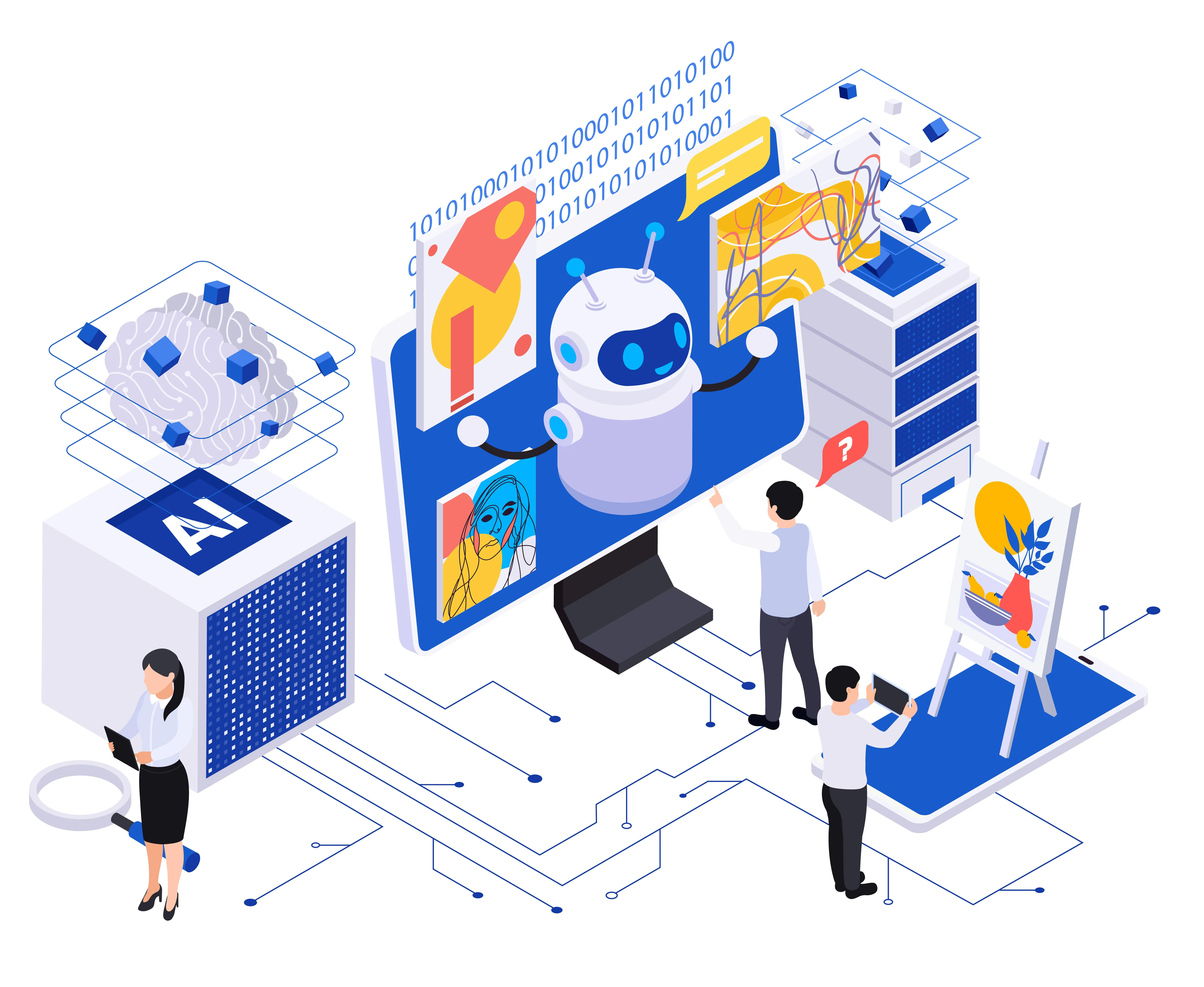
After identifying patterns, the AI model enters a training phase. During training, the system tests its predictions against real outcomes to measure accuracy. With each test, it adjusts its internal parameters and becomes increasingly precise.
For the fashion retailer:
- The AI may predict that a particular line of summer dresses will sell well
- Once real sales data shows how the dresses actually performed, the model compares predicted results with reality
- If the model was off, it learns from the discrepancy and refines its understanding of the factors influencing dress sales, such as colour, pricing, or promotional timing
Because the system continuously trains itself using fresh data, it becomes more reliable with each cycle. Over time, even subtle customer behaviours influence its predictions.
4. Forecasting
Finally, after learning from patterns and training cycles, the model begins to generate forecasts. These forecasts guide businesses in making proactive decisions.
In the case of our fashion retailer, predictive AI might forecast:
- Which clothing items will trend in the next season
- The volume of stock needed for top-selling categories
- Which customer segments are most likely to engage with upcoming product lines
- When demand for specific items will peak, allowing the retailer to schedule promotions strategically
With these insights, the retailer can plan assortments, refine marketing strategies, and optimise inventory levels in advance, reducing risk and increasing profitability.
Why Predictive AI Matters for Modern Businesses
In today’s digital economy, reacting after a trend has already emerged is often too late. Brands must anticipate user needs early and meet them seamlessly. Predictive AI helps organisations move from reactive to proactive, giving them a decisive competitive advantage.
Here are some benefits businesses experience:
More Accurate Decision-Making
Predictive AI enhances decision-making by grounding strategies in data rather than guesswork. Instead of relying on assumptions or outdated reports, leaders gain future-focused insights based on patterns, trends, and probabilities.
For example, a supermarket chain can use predictive models to forecast which products will sell more during certain seasons. As a result, managers can order stock more accurately, avoiding both shortages and overstock.
Similarly, a financial services provider might analyse market indicators to predict shifts in customer spending. By doing so, they can adjust their product offerings or interest rates before trends take hold.
Improved Customer Experience
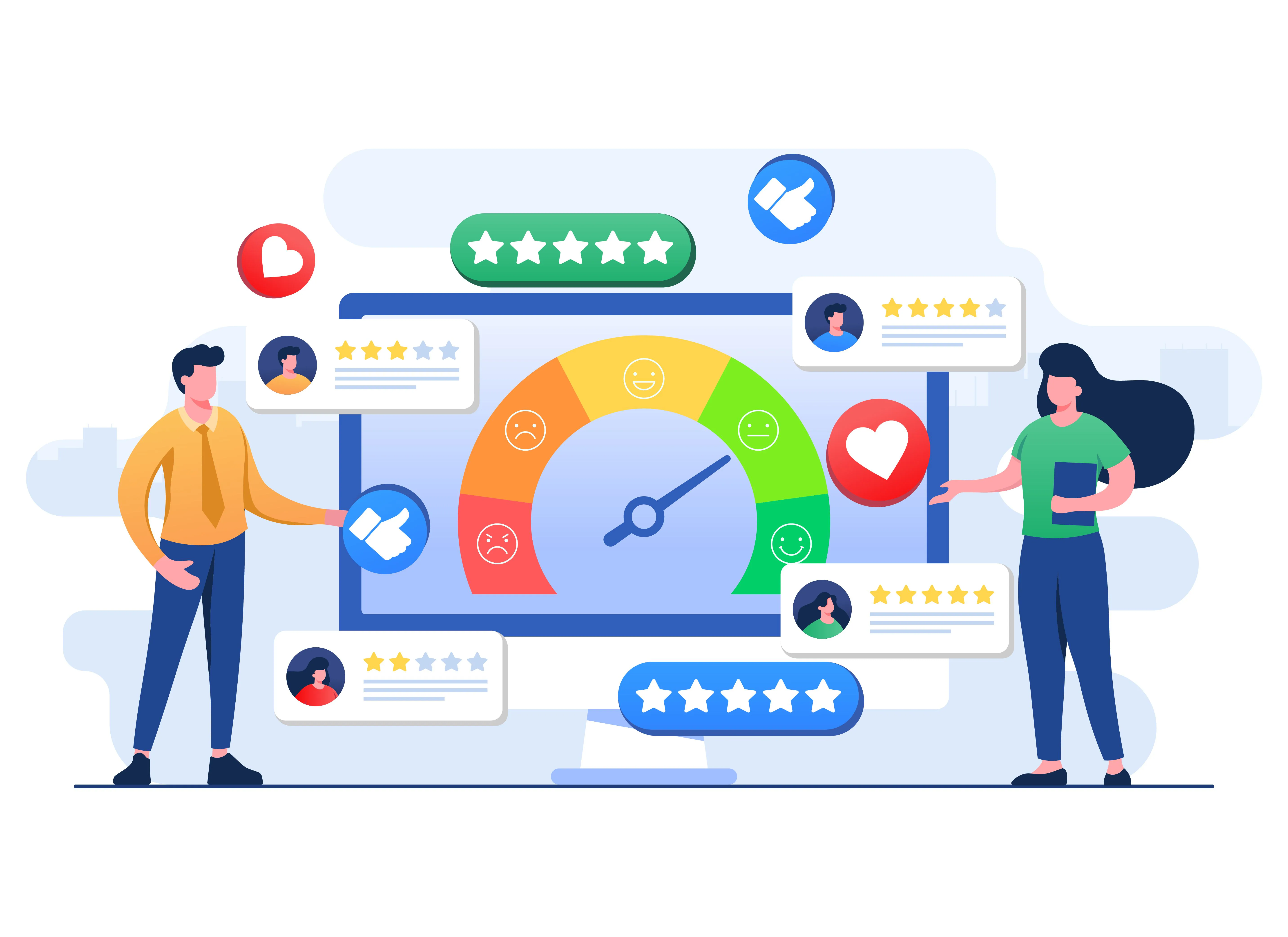
When brands understand what customers may want or need next, they can create experiences that feel personalised, timely, and genuinely helpful. Predictive AI assists by uncovering user behaviours and preferences long before customers express them directly.
For instance, a travel company might analyse past booking patterns to predict which destinations a repeat customer is most likely to explore next. Consequently, they can deliver tailored offers that resonate more effectively than generic promotions.
Increased Efficiency and Cost Savings
Efficiency is a natural outcome of accurate forecasting. Predictive AI helps organisations streamline their operations, reduce waste, and avoid unnecessary expenses by showing where issues may arise before they become costly.
For example, a manufacturing company could monitor sensor data from machinery to predict when a component is likely to fail. Instead of waiting for a breakdown, the company can schedule maintenance at the optimal time, preventing downtime and saving money on emergency repairs.
Better Marketing Performance
Predictive AI significantly enhances marketing efforts by revealing which strategies have the highest probability of success. By identifying patterns in user behaviour, intent, and engagement, marketers can optimise their campaigns with far greater precision.
For instance, an online retailer could use predictive models to determine which customers are most likely to purchase within the next week. With this insight, they can tailor email campaigns specifically to those individuals, improving conversion rates.
At Saigon Digital, we have seen firsthand how this technology elevates both strategy and execution. Businesses that embrace predictive AI position themselves for long-term resilience and innovation.
Real-World Examples of Predictive AI
To make the concept clearer, here are a few everyday examples you may already recognise:
1. Streaming Platforms
When Netflix suggests a film you might enjoy, it is using predictive AI to forecast your preferences based on your past viewing habits.
2. E-Commerce Recommendations
Online stores often know what customers might want before they do. Predictive AI analyses browsing behaviour, cart activity, and past purchases to make personalised recommendations.

3. Predictive Maintenance
Factories and logistics companies rely on predictive algorithms to forecast when equipment might fail. By acting early, they avoid downtime and costly repairs.
4. Marketing Automation
Email platforms can predict the best time to send emails or which users are most likely to convert. This leads to more effective campaigns with higher engagement.
These examples demonstrate how predictive AI quietly powers systems we interact with daily.
Predictive AI in SEO and Digital Marketing
As an SEO-centred agency, we see predictive AI playing an increasingly important role in search and digital strategy.
Here’s how it helps:
Keyword and Topic Forecasting
Predictive AI enables marketers to identify rising search queries and emerging topics before they peak. By analysing historical search trends, seasonality, competitor movement, and real-time user behaviour, AI systems can forecast which topics will gain interest soon.
For example, a skincare brand might use predictive AI tools to detect that searches for “niacinamide serum for winter dryness” are trending upward based on early social media signals and query velocity. With that insight, the marketing team can create content, blogs, and landing pages before the topic becomes saturated.
Personalised User Journeys
Predictive AI not only identifies what users search for but also anticipates how they behave once they land on a website. This insight enables brands to build personalised user journeys that adapt dynamically based on predicted intent.
For example, if a visitor repeatedly interacts with content related to home renovation, the website can automatically display blog posts, tools, or offers aligned with that interest.
Similarly, if a user shows early signs of purchase intent, such as viewing a product several times, the site might surface limited-time discounts or comparison guides to support decision-making.

Conversion Rate Optimisation
Predictive AI provides clarity about which user behaviours signal strong intent and which may indicate hesitation. By understanding these patterns, marketers can refine landing pages, calls to action, and product messaging more effectively.
For instance, if the AI detects that users who watch a certain video are significantly more likely to convert, businesses can reposition or prioritise that video on key landing pages.
Smarter Ad Targeting
Paid advertising becomes significantly more efficient with predictive AI, as it identifies high-value audiences and determines which messages are most likely to resonate. Instead of relying on broad targeting or manual adjustments, advertisers can make data-led decisions that improve both performance and cost-effectiveness.
For example, predictive algorithms may reveal that certain users are more likely to convert on weekends or respond better to video ads than static images. Armed with that knowledge, marketers can adjust ad formats, bidding strategies, and scheduling to maximise return on investment.
Additionally, predictive models can estimate when users are nearing purchase readiness. This enables brands to deliver highly relevant ads at the moments when they are most likely to make a decision, reducing wasted spend and increasing campaign impact.
The Challenges and Limitations of Predictive AI
While predictive AI offers enormous value, it does come with challenges. Businesses must acknowledge these before implementation.
Data Quality Matters
AI predictions are only as good as the data fed into the system. Poor-quality data leads to unreliable outcomes.
Privacy and Ethics
As predictive systems rely heavily on user data, companies must ensure responsible data collection, storage, and usage practices.
Complexity
Implementing predictive AI can be technically challenging without the right expertise or infrastructure.
This is precisely why many organisations partner with digital agencies like ours, to ensure both the technology and strategy align with best practices.
How to Get Started with Predictive AI
If you’re ready to begin integrating predictive AI into your operations or marketing efforts, here are practical steps to take:
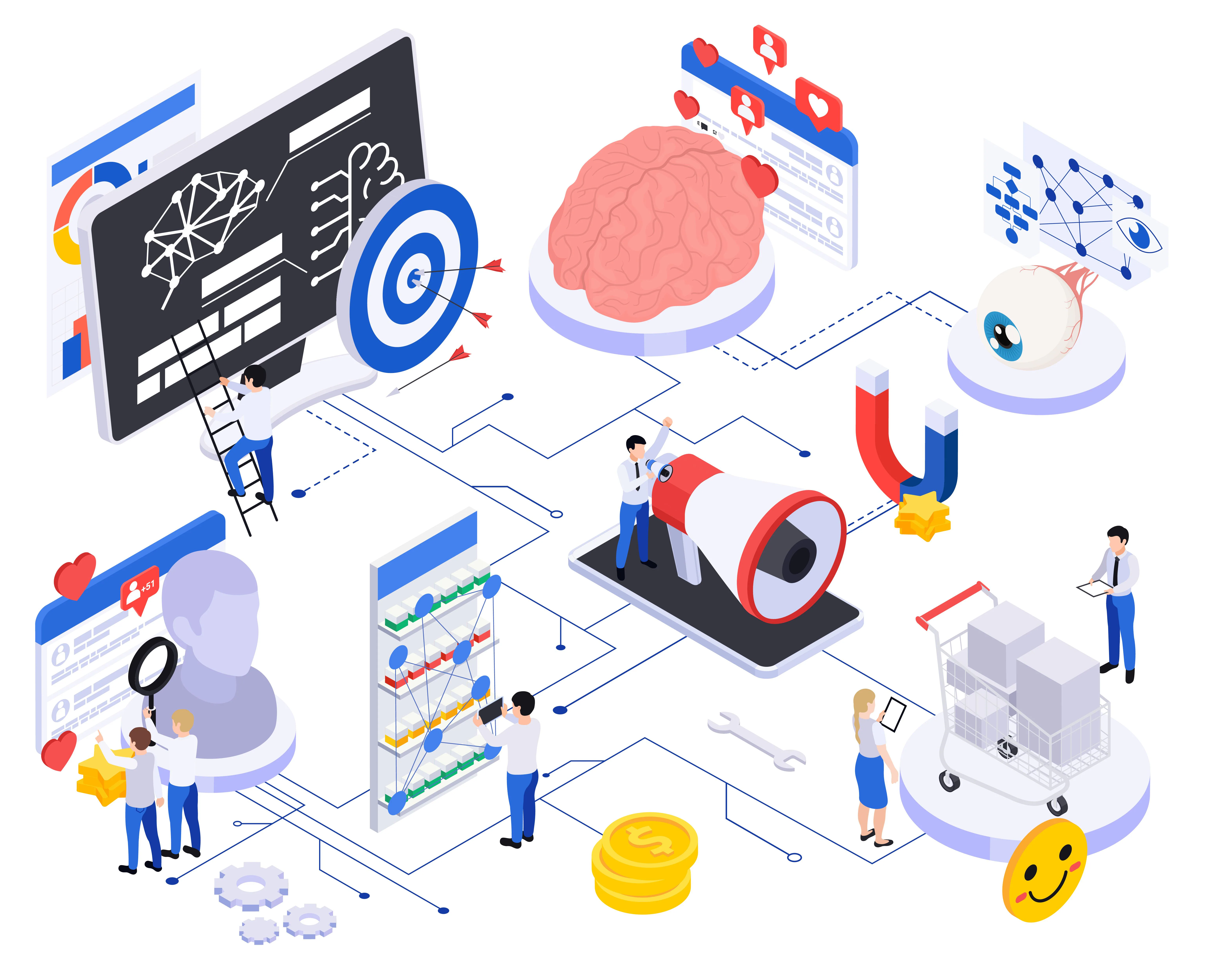
1. Define Clear Goals
Before introducing predictive AI into your workflow, you must establish exactly what you want it to achieve. Without a well-defined objective, the technology may produce scattered insights that are difficult to act on. Therefore, begin by identifying the specific challenges or opportunities you want to address.
For example, you might want to predict customer churn, forecast stock levels, or uncover which marketing channels drive the highest conversions. By narrowing the focus, you give your predictive model a sharper direction and make it easier to measure success.
Good goal examples include:
- Predicting which customers may not renew their subscription
- Estimating monthly demand for a key product line
- Forecasting which blog topics will trend over the next quarter
- Identifying leads most likely to convert within 30 days
Once your goal is set, you can align your data collection and tools accordingly, ensuring a more structured and effective implementation.
2. Assess Your Data
After defining your goal, the next step is to evaluate the quality and availability of your data. Predictive AI relies heavily on structured, consistent, and relevant datasets; therefore, you need to ensure your existing information is accurate and complete. Begin by identifying which data sources support your chosen goal.
For instance, if your aim is to forecast product demand, you may need:
- Past sales data
- Inventory records
- Website product-view statistics
- Promotional campaign data
- Seasonal or environmental factors
As you review your data, check for missing values, inconsistencies, or duplicates. If you discover gaps, you may need to improve your data collection methods or integrate additional platforms. This step is crucial because clean, well-organised data leads to more reliable predictions, ultimately making your model far more valuable.
3. Start Small
Once your data is ready, it is wise to begin with a small-scale pilot project rather than diving into a full, organisation-wide implementation. Starting small allows your team to learn, adjust, and validate the approach before committing larger resources.
For instance, a retailer wanting to predict customer behaviour might first focus on forecasting repeat purchases for one product category instead of analysing the entire catalogue. This narrow scope makes it easier to measure early success and identify challenges.
A small pilot project should include:
- A defined objective
- A limited set of data
- Clear performance metrics
- A timeline for evaluation
By beginning with a manageable experiment, you minimise risk while building internal experience and confidence. Once the pilot demonstrates clear value, you can scale the model gradually across more departments or use cases.
4. Choose the Right Tools
With a pilot in place, you can now explore the tools and platforms that will support your predictive AI initiatives. Because different tools cater to different needs, it is important to choose software that aligns with your goals, data environment, and technical capabilities.
For example, businesses with minimal technical expertise might prefer user-friendly platforms that provide pre-built predictive models, while larger organisations may opt for custom-built solutions that offer deeper flexibility. Additionally, you may need integrations for CRM systems, advertising platforms, or analytics dashboards to keep everything unified.
Common categories of tools include:
- AI-powered analytics platforms (e.g., forecasting dashboards)
- CRM systems with prediction features
- Marketing automation tools with behavioural modelling
- Cloud-based machine learning environments
By selecting the right combination of tools, you streamline your workflow and ensure that predictions fit naturally into your everyday operations.
5. Seek Expert Support
Finally, because predictive AI can be complex, it is often helpful to collaborate with specialists who understand both the technical and strategic elements. Experts can guide you through data preparation, model selection, integration, and long-term optimisation, saving you time and avoiding common pitfalls.
For instance, a business might consult a data scientist to design a forecasting model or work with a digital strategist to connect predictive insights with marketing campaigns. External support not only accelerates adoption but also helps ensure that your predictive initiatives align with best practices and business goals.
Whether you choose to build an internal analytics team or partner with specialists, expert guidance gives your predictive AI implementation a stronger foundation and increases your chances of sustained success.
The Future Is Predictive
Predictive AI is not a distant vision of the future; it is already embedded in the systems and experiences we interact with every day. As it becomes more accessible, businesses of all sizes can harness its power to make smarter decisions, enhance customer experiences, and stay ahead of change.
At Saigon Digital, we believe predictive AI will continue to transform how brands grow and compete. And by embracing this technology now, organisations can build a foundation for long-term success in an increasingly data-driven world.
If you’re interested in exploring how predictive AI can elevate your digital strategy, we’re here to help you take the next step.
Want to be the brand AI engines recommend?
We make businesses visible on Google and inside AI answers, measured in leads, not vanity metrics.