As businesses continue to adopt artificial intelligence across their digital ecosystems, one question surfaces repeatedly: what is the difference between generative AI and predictive AI, and when should you use each?
At Saigon Digital, we often guide clients through this very decision because choosing the right approach can directly influence growth, efficiency and, crucially, SEO performance.
Understanding generative AI vs predictive AI is not simply about comparing technologies. Instead, it is about assessing your business goals, your available data, and the user experience you want to create. With that in mind, let’s break everything down clearly and practically.
What Is Generative AI?
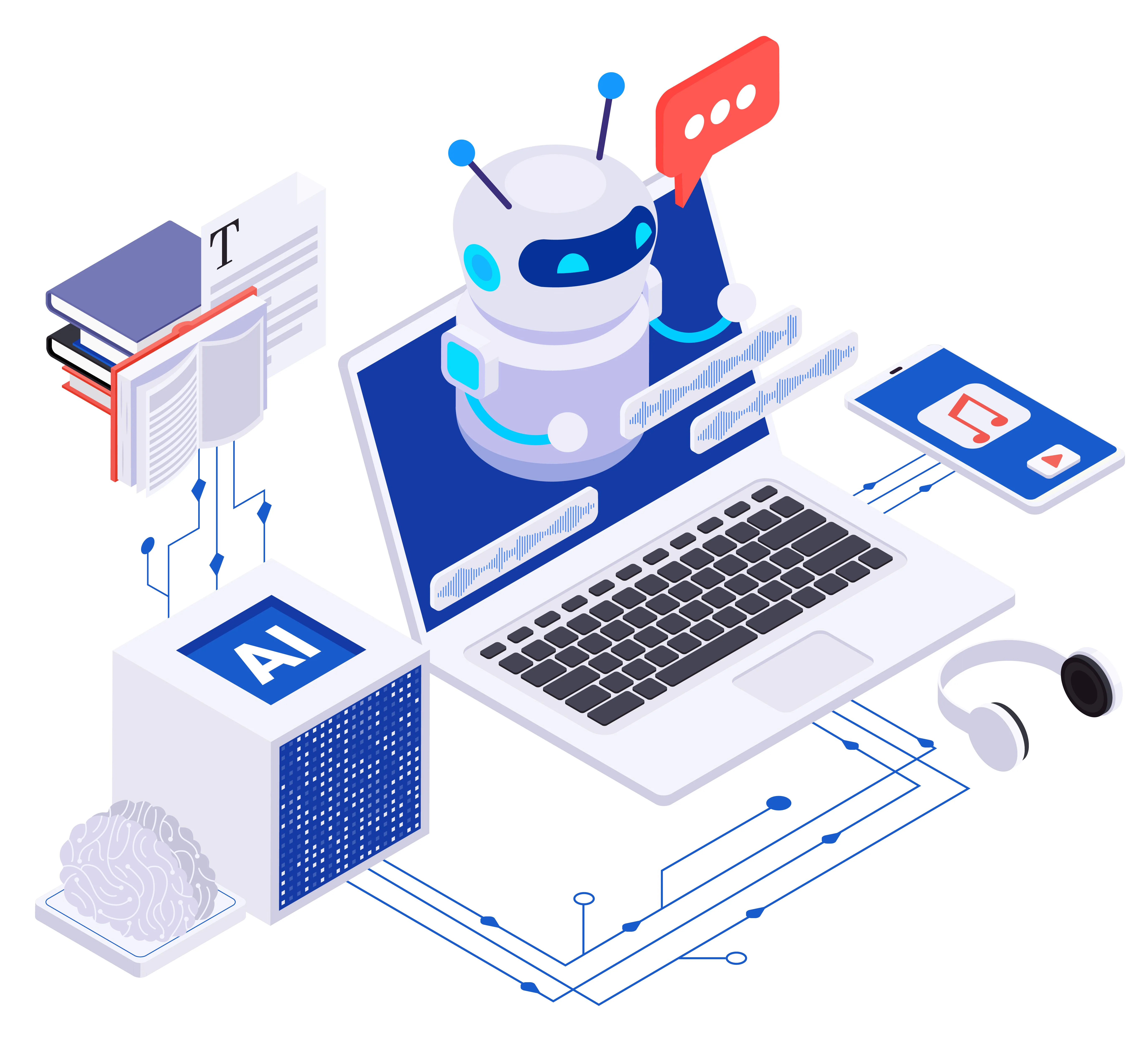
Generative AI, on the other hand, produces new content. It can create text, images, audio, code, and even sophisticated design concepts. It does not merely analyse past data; it synthesises it to create something novel.
Examples include:
- Drafting a blog outline based on user intent research.
- Producing several versions of ad copy to test messaging angles.
- Designing an initial landing page layout to support a new product launch.
At Saigon Digital, we use generative AI to accelerate ideation and content workflows while keeping a human expert in the loop to ensure accuracy, creativity and brand alignment.
What Is Predictive AI?
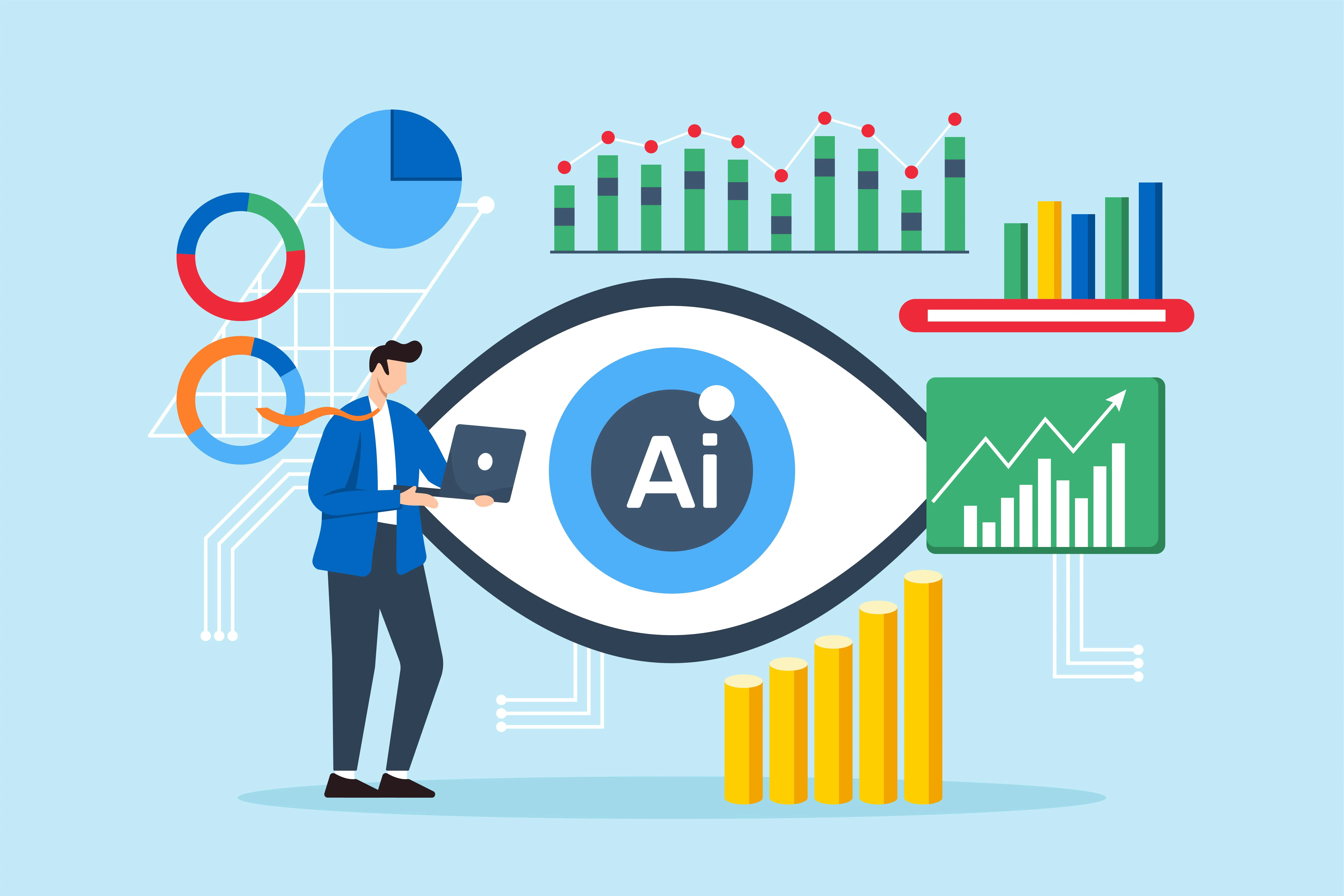
Predictive AI is designed to forecast outcomes. It learns from historical data and identifies patterns that help anticipate what is likely to happen next. Most organisations have used some form of predictive AI for years, even if they didn’t label it as such.
For example:
- E-commerce sites use predictive algorithms to estimate demand and recommend products.
- Finance teams rely on predictive models to assess credit risk.
- SEO tools use predictive analysis to estimate keyword difficulty or forecast traffic opportunities.
Predictive AI works best when you want your decisions to be guided by probability and past behaviour. It does not create new content; instead, it points you towards likely results.
Generative AI vs Predictive AI: Key Differences
To understand when to use each, it helps to see how they differ across several dimensions.
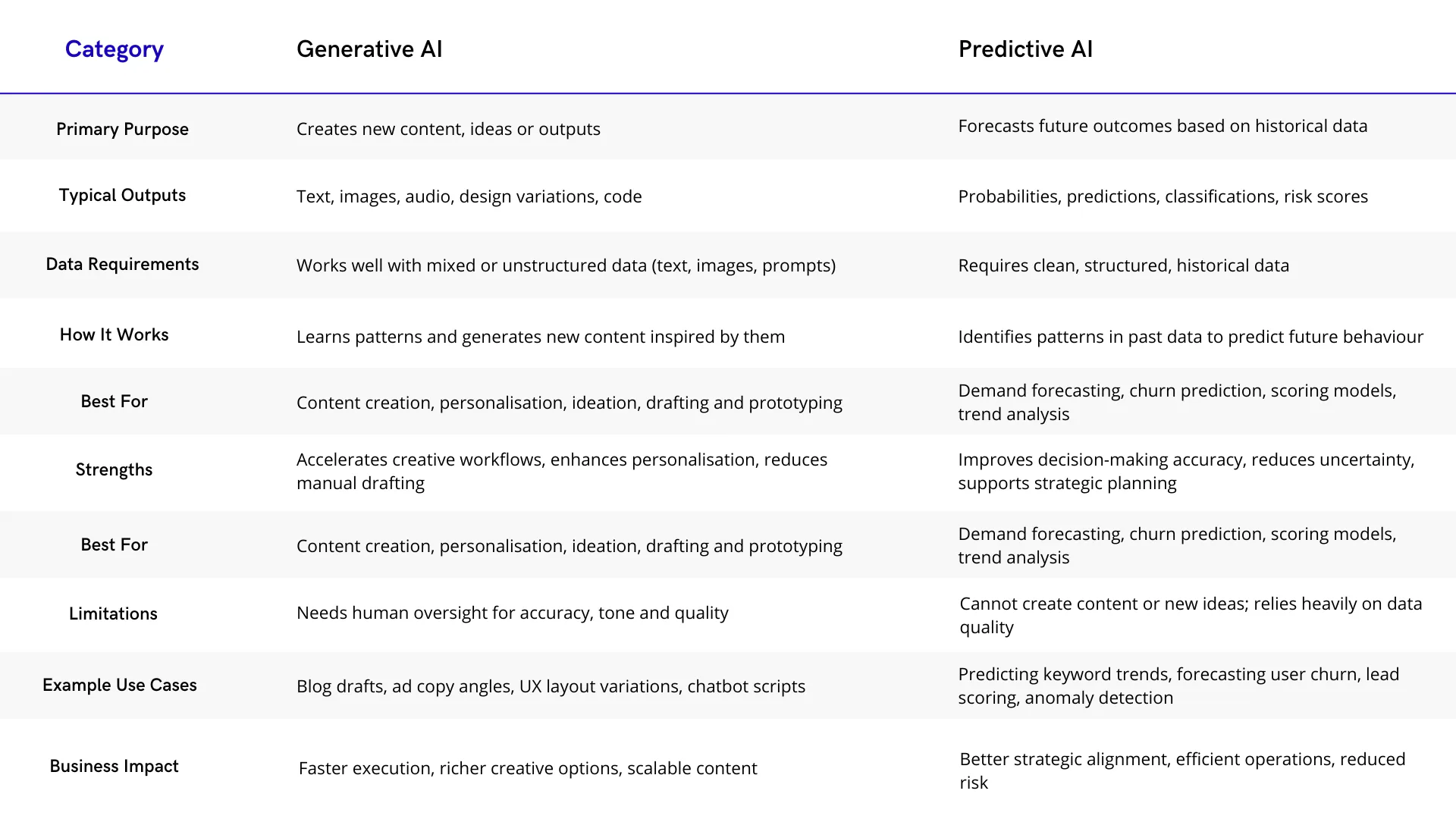
1. Purpose
- Generative AI: Produces new outputs.
- Predictive AI: Forecasts future outcomes.
Predictive AI tells you what is likely, while generative AI suggests what could be created.
2. Input and Output
- Generative AI: Takes prompts and patterns from training data and returns content or creative options.
- Predictive AI: Takes historical data and returns probabilities, scores or classifications.
3. Data Requirements
- Generative AI: Can work with mixed and unstructured data, such as text or images.
- Predictive AI: Requires large, clean, structured datasets.
4. Typical Business Use Cases
- Generative AI: content generation, customer support scripts, UX prototypes, SEO content briefs.
- Predictive AI: demand forecasting, customer churn prediction, lead scoring, anomaly detection.
5. User Impact
- Generative AI: Enhances creativity, speed, and personalisation.
- Predictive AI: Improves decision-making and operational efficiency.
When to Use Generative AI
Generative AI is most useful when you aim to create, personalise or streamline. It shortens the time between concept and execution while giving teams more room to refine the human touch.
Use generative AI when you want to:
- Produce content at scale, such as blogs, ads, newsletters or landing page copy.
- Improve SEO workflows, like generating schema markup or drafting topic clusters.
- Design early creative concepts, saving hours that would otherwise be spent on first drafts.
- Customise user experiences, such as producing tailored recommendations or dynamic messaging.
However, while generative AI is powerful, it still benefits from thoughtful human oversight, especially when accuracy, brand tone or cultural nuance matters.
When to Use Predictive AI
Predictive AI is ideal when your goal is to reduce uncertainty. If a decision depends on a future outcome, predictive AI is likely the better tool.
You should consider predictive AI when you want to:
- Improve marketing ROI by predicting which channels or campaigns will perform best.
- Identify SEO opportunities by forecasting traffic potential or seasonal trends.
- Refine customer journeys through churn prediction and behavioural scoring.
- Optimise inventory or supply chains based on anticipated demand.
In each case, predictive AI complements strategic planning with data-driven foresight.
Comparison Table: Generative AI vs Predictive AI
How Generative AI and Predictive AI Work Together
Although it is tempting to treat generative AI vs predictive AI as competing solutions, the reality is that they become far more powerful when used side by side. While predictive AI strengthens your decision-making with data-backed insights, generative AI then transforms those insights into tangible outputs. In other words, one guides your strategic direction, and the other accelerates execution.
To illustrate this, imagine starting with a predictive model that analyses your historical website data. It identifies which keyword clusters are most likely to grow in demand over the next quarter. Rather than relying on intuition alone, this gives your team a clear, evidence-based content roadmap. Once these opportunities are identified, generative AI can step in to produce initial content drafts, outline content briefs, or even create multiple headline variations for testing. As a result, your team moves more efficiently because they are no longer starting from a blank page.
Furthermore, predictive AI can help anticipate how users might behave on different page layouts or messaging styles. With this foresight, your designers and content specialists can use generative AI to produce several page variations inspired by the predicted user patterns. This ensures that creative exploration remains aligned with user expectations rather than drifting into guesswork.
The workflow continues to strengthen itself as both forms of AI feed into the process. Predictive models can evaluate early performance data from your new content or design variations, highlighting what works and what needs refinement. Meanwhile, generative AI can quickly produce improved versions, allowing you to iterate at speed without sacrificing quality. Over time, both systems learn from each other: predictive AI gets better at forecasting what will resonate, and generative AI becomes more tailored in what it produces.
For teams wanting to adopt this combined approach, it helps to follow a simple sequence:
- Begin with predictive analysis to determine priorities, opportunities or risks.
- Use generative AI to create content, design concepts or messaging anchored in those insights.
- Test and measure results through predictive models to validate performance.
- Refine and iterate using generative AI to produce improved versions quickly.
- Repeat the cycle, allowing both tools to strengthen your strategy over time.
Ultimately, by allowing predictive AI to shape direction and generative AI to deliver execution, businesses can build a workflow that is faster, more accurate and genuinely user-centric. Rather than choosing one over the other, blending the two enables you to innovate with confidence while staying grounded in data-driven clarity.
Choosing the Right Approach for Your Business
When clients come to Saigon Digital, the first question we ask is: what problem are you trying to solve? From there, the choice between generative and predictive AI becomes clearer:
- If you want agility, content or prototypes, choose generative AI.
- If you want insight, forecasting or optimisation, choose predictive AI.
- If you want both creativity and precision, combine them.
By aligning AI capabilities with user needs, businesses can elevate experiences while reducing manual effort.
Let’s Elevate Your AI Strategy Together
Understanding the differences between generative AI vs predictive AI helps businesses make informed, strategic decisions. While predictive AI offers clarity about the future, generative AI unlocks fresh possibilities in the present. When used thoughtfully and often together they create a powerful foundation for digital innovation.
At Saigon Digital, our focus is always on solving digital challenges with forward-thinking, user-centric and bespoke solutions.
Get in touch with us to leverage AI in your workflow today!
Want to be the brand AI engines recommend?
We make businesses visible on Google and inside AI answers, measured in leads, not vanity metrics.